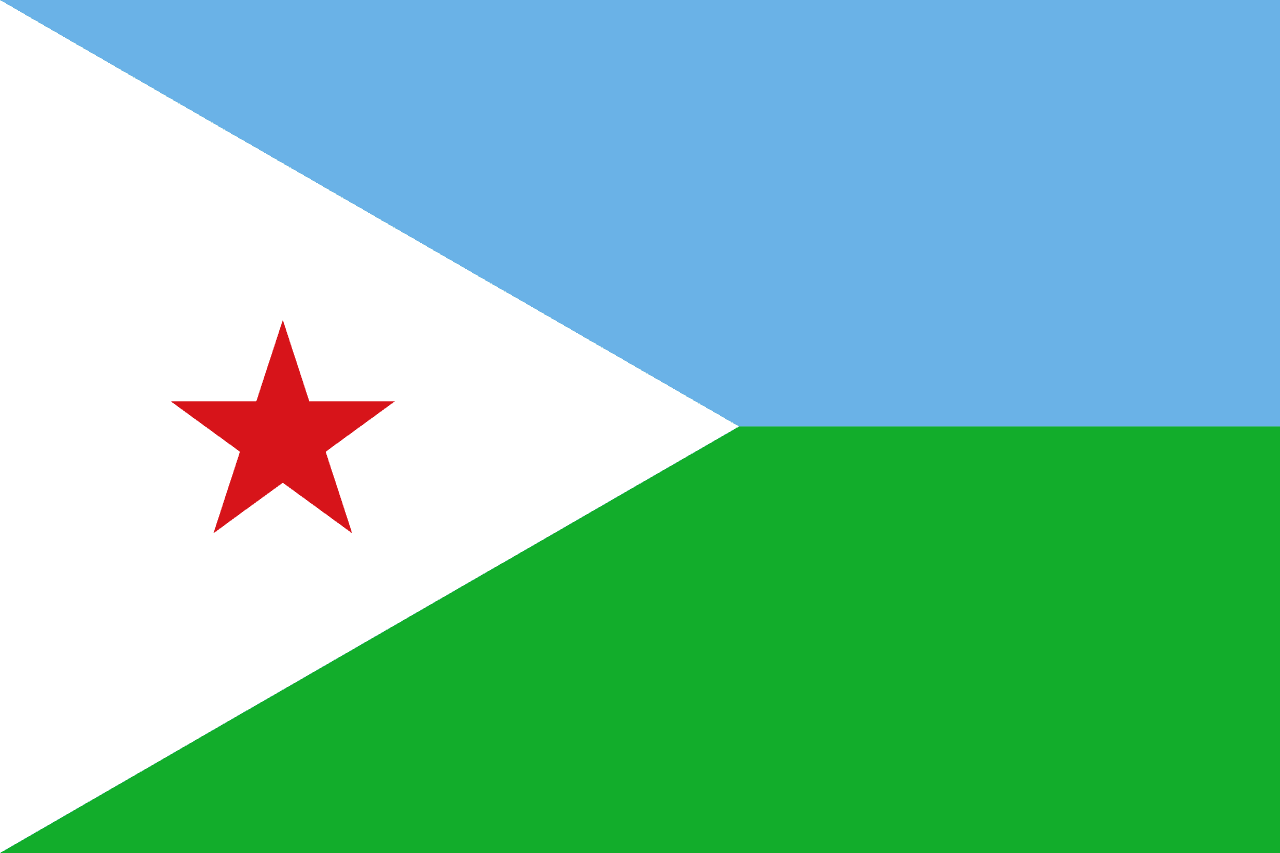
Living in Djibouti is an experience that pulls you in with its unique blend of cultures, vibrant markets, and the rhythm of everyday life. Embedded at the crossroads of Africa and the Middle East, this tiny nation offers a rich tapestry of experiences that can be both intriguing and challenging. As someone who has settled here, I’d love to share what life in Djibouti is really like, from the bustling streets to the quiet moments spent with family.
Each day begins early in Djibouti. The sun rises around 5:30 AM, casting a golden hue over the landscape. You can hear the call to prayer echoing from various mosques, a sound that has become a comforting part of my morning routine. As I step outside, the warm air wraps around me, hinting at the heat that will come later in the day. While locals start their day with prayer and coffee, I often join them in a traditional Djiboutian breakfast, which usually consists of “malawax” — a type of pancake served with honey or sugar. It costs a mere 300 DJF (around $1.50) at a local café, where the aroma of freshly brewed coffee mingles with the scent of spices.
Daily life in Djibouti is, for the most part, laid-back but vibrant. The streets are alive with energy as vendors set up their stalls, selling everything from fresh fruits and vegetables to spices and clothing. The markets, or “souks,” are a kaleidoscope of colors and sounds. I often head to the central market, known as the “Marché Central,” where I can buy a bag of ripe mangos for about 500 DJF (around $2.50) or a bunch of bananas for 200 DJF. The bargaining is part of the experience; haggling is expected and can be a fun interaction with the sellers.
The cost of living in Djibouti can be surprisingly affordable, especially when it comes to local markets and street food. Eating out at a local restaurant usually costs between 400 DJF to 1000 DJF ($2 - $5), depending on the dish. One of my favorite meals is “skoudehkaris,” a rice dish flavored with spices, vegetables, and meat. It’s hearty and satisfying, and the generous portions make it a popular choice among locals.
While the local cuisine is undoubtedly delicious, it’s also essential to understand the influence of various cultures in Djibouti. Due to its history as a trading hub, you’ll find a blend of Somali, French, and Arab influences in the food. On Fridays, many locals enjoy a special dish called “bariis iskudhar,” which is a spiced rice served with meat and vegetables. It’s common for families to gather around large plates, sharing the meal and enjoying each other’s company.
Social customs play a significant role in everyday life. Family is central to the Djiboutian way of life, and you’ll often see extended families living together or close by. It’s not uncommon for neighbors to drop by unannounced for a cup of coffee or a chat, a practice that reflects the welcoming nature of the people. When greeting someone, it’s customary to ask about their family and health first, and it’s considered polite to inquire about someone’s well-being multiple times. The phrase “Aad baad ku mahadsantahay” (Thank you very much) is often exchanged with a warm smile, embodying the hospitality that Djiboutians are known for.
In terms of family life, parents place a strong emphasis on education and respect. Children are expected to be polite and courteous, with a focus on learning about their cultural heritage. Schools here tend to be a mix of public and private institutions, with many families opting for private education, especially if they can afford it. Education can be expensive, with monthly fees ranging from 10,000 DJF to 40,000 DJF ($50 - $200), depending on the school. When families gather for special occasions, such as weddings or religious holidays, the celebrations can be grand, filled with music, dancing, and traditional foods.
When it comes to work culture, Djibouti has a diverse economy that includes shipping, logistics, and service industries. The presence of foreign military bases adds a unique dynamic to the job market, drawing in expatriates and creating a cosmopolitan atmosphere in certain areas. The workweek typically runs from Sunday to Thursday, with Friday and Saturday being the weekend. Many professionals work in offices that may have a more relaxed approach to time, so it’s not unusual for meetings to start later than scheduled.
Locals often find themselves enjoying their weekends by heading to the beaches, particularly at Plage de Heron or the stunning Khor Ambado. Families pack picnics and spend time swimming, playing games, or simply relaxing under the sun. The coastline is beautiful, with clear blue waters and vibrant coral reefs, making it a popular spot for expatriates and locals alike. On Saturday evenings, you might find people gathering for barbecues or enjoying live music at local venues.
Weather plays an undeniable role in shaping life in Djibouti. With a hot desert climate, temperatures can soar above 40°C (104°F) in the summer months. The heat can be intense, so it’s common for people to take long breaks during the hottest part of the day. Many shops close for a couple of hours in the afternoon, allowing locals to rest and recharge in the shade. My own routine has adapted to the climate; I wake up early to run errands before it gets too hot, and I embrace the cooler evenings, which bring a sense of relief after a scorching day.
However, living in Djibouti comes with its challenges. Basic services such as electricity and water can be unreliable, and outages are not uncommon. There are days when the power might go out for several hours, but the community has a way of coping, often gathering together to share stories or meals during these times. The infrastructure is still developing, and while the government is making strides to improve it, patience is key.
The cost of imported goods can be high, largely due to Djibouti’s strategic location as a port city. While local produce is affordable, imported items such as canned goods or packaged snacks can be considerably more expensive. For instance, a pack of imported cookies can cost around 3000 DJF ($15), which seems steep compared to local options. It’s a trade-off that many expatriates and locals navigate.
When I reflect on life here, I find that it’s the little surprises that often catch newcomers off guard. Many foreigners are struck by the friendliness of the people. Djiboutians are generous and open-hearted, inviting you to share a meal or celebrate local holidays with them. Another surprise is the deep sense of community; it’s common to see neighbors looking out for one another, whether it’s sharing food or helping with errands.
Ultimately, life in Djibouti is about embracing the contradictions — the sweltering heat juxtaposed with the cool evenings, the hustle of the markets countered by the stillness of the desert, and the vibrant social life balanced with the challenges of day-to-day living. It’s a place where the cultural tapestry is rich, the friendships are genuine, and the moments of laughter at a crowded café make the heat worthwhile.
As I continue my journey here, I look forward to more meals shared with friends, more strolls through lively markets, and the unexpected joys that each day brings in this lively, colorful corner of the world. If you're considering a move to Djibouti or just curious about its daily life, know that the experiences are as diverse as the landscape, and every day holds the potential for adventure.