The History of Dominican Republic: From Ancient Times to Today
🌐 Translate:
# The History of Dominican Republic: From Ancient Times to Today
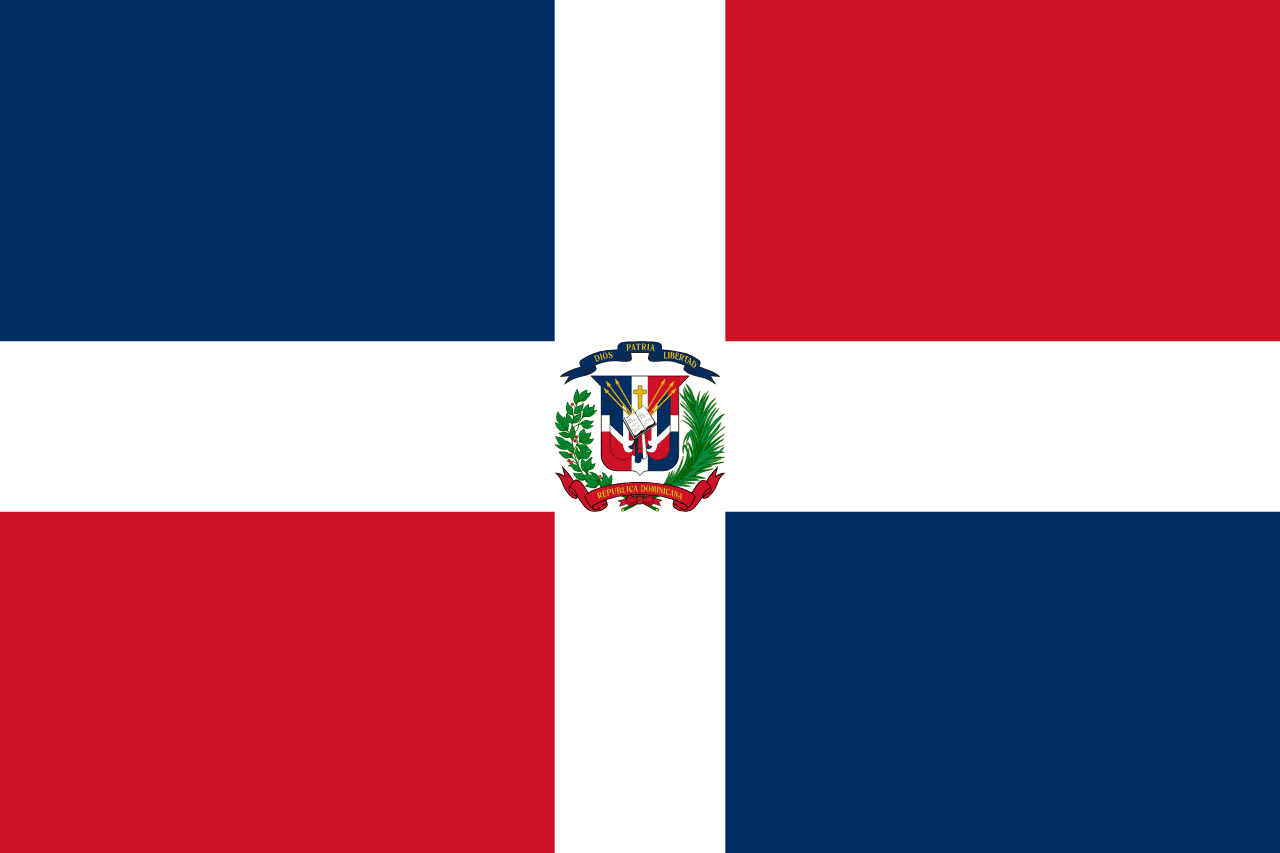
Nestled in the heart of the Caribbean, the Dominican Republic is a vibrant nation known for its breathtaking landscapes, rich culture, and a history that’s as colorful as its vibrant flag. From the ancient Taino people who first inhabited the island to its modern-day status as a tourism hotspot, the journey of this nation is nothing short of fascinating. As we unravel the historical tapestry of the Dominican Republic, we will encounter ancient civilizations, colonial encounters, struggles for independence, and the resilience of its people—a narrative that continues to evolve in the present day.
## Ancient Times: The Taino and Their World
Long before the arrival of Europeans, the island of Hispaniola, which the Dominican Republic shares with Haiti, was home to the Taino people, an indigenous group that thrived in this lush paradise. The Taino referred to their land as “Quisqueya,” meaning “the mother of all lands.” They were skilled farmers, fishermen, and artisans who enjoyed a rich spiritual life centered around nature, ancestral worship, and communal living.
The Taino society was organized into cacicazgos, or chiefdoms, each led by a cacique, a chief who wielded authority over the community. The island was dotted with small villages where the Taino practiced their agricultural traditions, cultivating cassava, maize, and other crops. They also engaged in fishing and hunting, utilizing canoes made from the sturdy wood of the endemic trees to navigate the island's rivers and coasts.
One of the lesser-known facts about the Taino is their advanced system of governance and trade. They established trade networks that connected different tribes across the Caribbean, exchanging goods such as pottery, cotton, and food. Their complex social structures and cultural practices laid the foundation for what would become a vibrant Caribbean culture.
## The Arrival of the Spaniards: A New Era Begins
The peaceful existence of the Taino came to a dramatic halt in 1492 when Christopher Columbus arrived on the shores of Hispaniola during his first voyage to the New World. Columbus claimed the island for Spain, marking the beginning of European colonization in the Americas. The initial encounters between the Taino and the Spanish were marked by curiosity, but the subsequent years brought devastation.
The Spanish brought with them diseases such as smallpox and measles, to which the Taino had no immunity. The population plummeted, and Spanish colonizers quickly exploited the Taino for labor in sugar plantations and mines. This period of brutal enslavement and cultural destruction led to significant loss of life and the eventual near-extinction of the Taino people.
Despite the tragedies, some Taino customs and words survived, woven into the fabric of Dominican culture. The legacy of the Taino can still be felt today, from the foods we eat to the stories that are told, reminding us of a rich history that once thrived on the island.
## The Colonial Era: Spain's Stronghold
In the years following Columbus's arrival, Spain established Santo Domingo, the first permanent European settlement in the Americas, in 1496. This fortified city became the seat of Spanish power in the New World and was a critical hub for trade and military expeditions. Over time, Santo Domingo became known for its impressive colonial architecture, including the iconic Alcázar de Colón, the residence of Columbus's son, Diego, which still stands today.
The colonial period was marked by a series of struggles, both among European powers and within the island itself. The Spanish Empire faced challenges from the French and British, who sought to claim parts of Hispaniola. The eastern portion of the island, which is now the Dominican Republic, remained a Spanish territory, while Western Hispaniola became French, leading to a growing tension that would shape the island's future.
During this time, the sugar and coffee industries flourished, fueled by the labor of enslaved Africans brought to the island. The introduction of African culture, music, and religion would amalgamate with the remnants of Taino and European traditions, creating a unique Dominican identity. The echoes of African rhythms can still be heard in the vibrant merengue and bachata music today, showcasing the resilience and creativity of a people shaped by adversity.
## The Road to Independence: Struggles and Triumphs
The quest for independence in the Dominican Republic was a tumultuous journey, marked by revolts, wars, and shifting allegiances. In the early 19th century, as the Haitian Revolution (1791-1804) shook the region, the eastern part of Hispaniola found itself under Haitian rule in 1822 when Haiti occupied the entire island. This period lasted for over twenty years and was characterized by a struggle for identity as Dominicans grappled with the reality of being governed by a nation with different cultural and social values.
The desire for independence sparked the Dominican War of Independence, which finally erupted in 1844. The movement was led by figures such as Juan Pablo Duarte, one of the founding fathers of the Dominican Republic, who envisioned a free and sovereign nation. Duarte, alongside other key figures like Juan Isidro Pérez and Pedro Alejandro Pina, rallied the populace to take up arms against Haitian forces.
On February 27, 1844, after years of struggle, the Dominican Republic proclaimed its independence. The nation emerged under the banner of “Dios, Patria, Libertad” (God, Fatherland, Liberty), a motto that encapsulated the fervent spirit of its people. However, the path to stability remained fraught with conflict, as internal divisions and external threats persisted.
## The 19th and 20th Centuries: Defining Moments
The decades following independence were marked by political instability, with a series of leaders and uprisings shaping the nation’s trajectory. The Dominican Republic experienced a brief reoccupation by Spain from 1861 to 1865, as Spanish forces sought to reclaim their former colony. Yet, the spirit of independence prevailed, and the Dominican people fought back, successfully expelling the Spanish once again.
As the 20th century dawned, the Dominican Republic was still struggling with governance and external pressures. In 1916, the United States intervened in the country’s affairs, occupying the nation to restore order amid a civil conflict. The U.S. presence lasted until 1924, leaving an indelible mark on the Dominican Republic’s political landscape.
The rise of dictator Rafael Trujillo in the 1930s marked one of the most significant turning points in Dominican history. Trujillo ruled with an iron fist, his regime characterized by brutal repression, censorship, and human rights abuses. However, he also invested in infrastructure and modernization, transforming the country’s economy. His rule was a complex tapestry of tyranny and development, a duality that left the Dominican Republic grappling with its legacy long after his assassination in 1961.
## The Modern Era: A Nation Reborn
Emerging from decades of dictatorship, the Dominican Republic entered a new chapter in the 1960s. The country witnessed a series of political shifts, including a brief period of democratic governance followed by the return of military rule. Yet the resilience of the Dominican people shone through, as grassroots movements and civil society organizations began to advocate for social justice and democratic reforms.
In the 1980s and 1990s, the Dominican Republic experienced significant economic growth, driven largely by tourism, agriculture, and remittances from Dominicans living abroad. The idyllic beaches, rich culture, and warm hospitality attracted visitors from around the world, transforming the nation into one of the Caribbean's premier tourist destinations.
Today, the Dominican Republic is a vibrant democracy, characterized by a diverse population and a rich cultural landscape. The heart of its capital, Santo Domingo, pulses with life as a UNESCO World Heritage Site, blending colonial history with modern dynamics. The country's music, art, and cuisine showcase the fusion of cultures that have shaped its identity.
## Conclusion: A Tapestry of Resilience
The history of the Dominican Republic is a testament to the strength and resilience of its people. From the ancient Taino to the modern-day citizens, each chapter of this narrative reveals a complex interplay of culture, struggle, and triumph. As the nation continues to evolve, it carries with it the echoes of its past—a past that shapes its identity and fuels its aspirations for the future.
In celebrating the Dominican Republic's rich history, we honor the lives of those who came before, recognizing their struggles, victories, and enduring legacy. The Dominican Republic stands not only as a destination of sun-kissed landscapes but as a vibrant mosaic of stories that will continue to be told for generations to come.