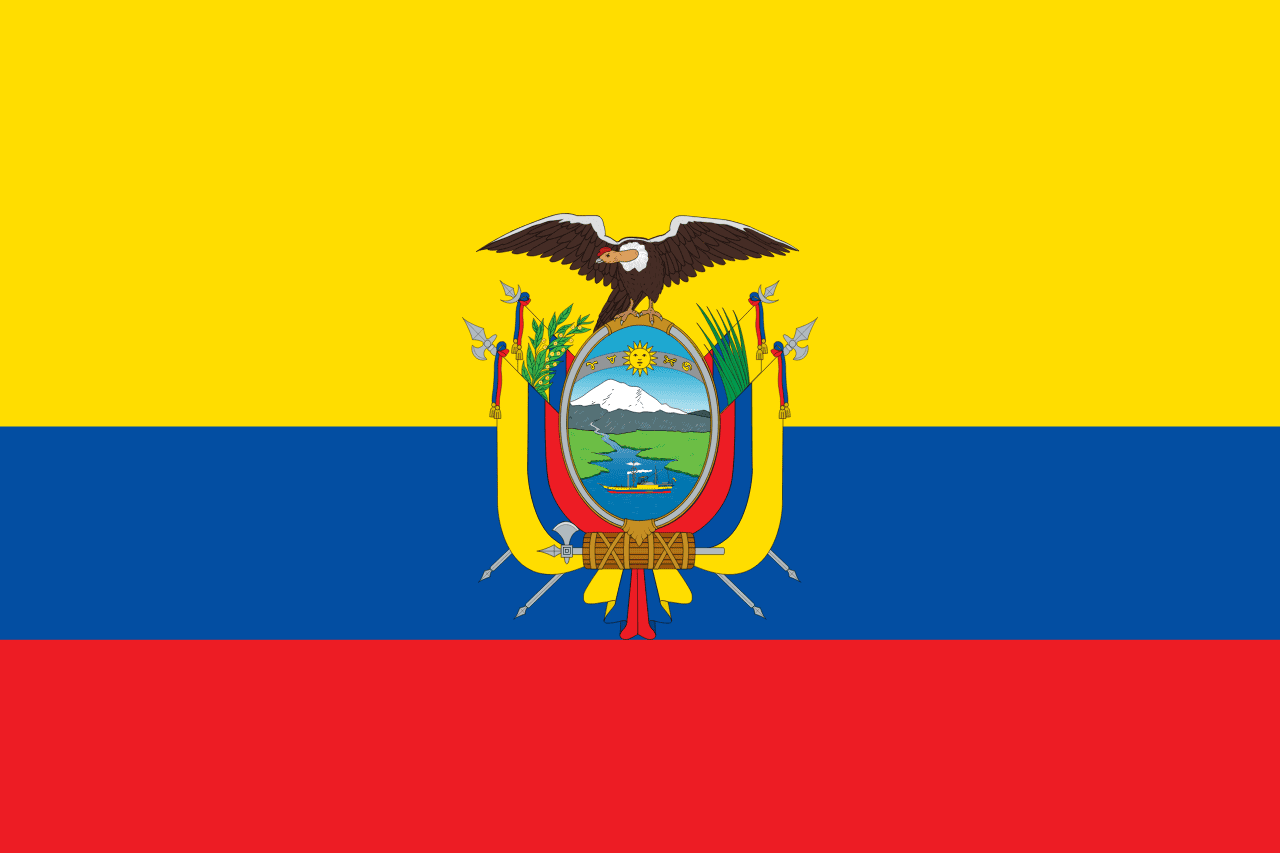
The History of Ecuador: From Ancient Times to Today
🌐 Translate:
# The History of Ecuador: From Ancient Times to Today
Ecuador, a country nestled on the equator, boasts a rich tapestry of history that interweaves ancient civilizations, colonial conquests, and modern-day struggles and triumphs. This enchanting nation, with its varied landscapes from the Andes mountains to the lush Amazon basin, has been home to diverse cultures that have thrived for thousands of years. As we journey through Ecuador's past, we will discover its ancient roots, the rise and fall of empires, the shadows of colonial rule, and the resilience of its people in the face of change.
## Ancient Indigenous History
Long before the arrival of the Spanish conquistadors, Ecuador was inhabited by a plethora of indigenous cultures. The most notable among these were the Caras, the Cañari, and the Incas. Archaeological evidence illustrates that human presence in the region dates back to at least 10,000 BCE, with hunter-gatherer societies evolving into settled agricultural communities.
The **Valdivia culture**, one of the earliest known civilizations in Ecuador, emerged around 3500 BCE along the coast. Renowned for their striking ceramic works, the Valdivians were skilled artisans whose figurines and pottery often depicted their daily lives and spiritual beliefs. Their artistry hinted at a sophisticated society with a deep appreciation for aesthetics and ritual.
As we traverse through time, we meet the **Cañari**, who inhabited the highlands of Ecuador. They built impressive stone structures and developed a distinct culture characterized by their agricultural prowess and resistance to outside influences, particularly from the Incas. The Cañari’s legacy endures, echoing in the towns and cities that have sprung from their ancient roots.
## The Rise of Empires
The most significant shift in Ecuador's history came with the rise of the **Inca Empire** in the 15th century. Under the auspices of the illustrious emperors like Pachacuti and his son Tupac Inca Yupanqui, the Incas expanded their dominion across the Andes, reaching into what is now Ecuador. The Inca Empire was not merely a political entity; it was a complex network of roads and agricultural innovations, allowing for efficient communication and trade across vast distances.
The Incas established **Quito** as a crucial administrative center, which they called **Kitu**. The city’s strategic location made it a pivotal hub for trade and military operations. However, the Incas were not without their adversaries. The **Cañari**, led by their fierce resistance, engaged in numerous battles against the Incas, showcasing their bravery and resolve. Despite this, the Incas managed to integrate the Cañari into their empire, demonstrating their skilled diplomacy and military prowess.
The profound changes brought about by Inca rule had lasting effects on the region's sociopolitical landscape. The Incas introduced advanced agricultural techniques, including the creation of terraced farming on the steep Andean slopes. These innovations enriched the local economy and allowed the population to thrive. However, with the arrival of European explorers in the 16th century, the fragile balance of power in the region would be irrevocably altered.
## The Colonial Era
In 1532, the Spanish conquistador **Francisco Pizarro** arrived in Ecuador, and with him came the harbingers of colonialism. The conquest was brutal, characterized by betrayal, violence, and the subjugation of indigenous peoples. Pizarro's forces, seeking gold and glory, swiftly defeated the Inca Empire, marking the beginning of centuries of colonial rule.
Spain divided its newly acquired territories into viceroyalties, and Ecuador became part of the **Viceroyalty of Peru**. The colonial period was marked by the imposition of Spanish culture, religion, and governance on the indigenous population. The Spanish established cities, introducing European architecture and urban planning. Quito, for example, was transformed into a colonial jewel, showcasing stunning baroque churches, cathedrals, and plazas.
The indigenous populations suffered immensely under colonial rule, facing forced labor, diseases brought by Europeans, and the erosion of their traditional ways of life. The **Encomienda system**, which allowed Spanish settlers to collect tribute and labor from indigenous peoples, further exacerbated their plight. Yet, even amidst the shadows of colonial oppression, indigenous communities resisted, maintaining aspects of their cultural identity and laying the groundwork for future uprisings.
## The Struggle for Independence
By the late 18th century, growing discontent brewed among the colonized as Enlightenment ideas of freedom and equality began to permeate the region. The seeds of revolution were sown, and the sparks of independence ignited in the early 19th century. Ecuador's journey toward independence was part of a larger wave of revolutionary fervor sweeping across Latin America.
In 1809, the **First Cry of Independence** echoed in Quito, marking the start of a tumultuous struggle against Spanish rule. A group of Creole leaders, inspired by the independence movements in North America and France, proclaimed a revolutionary government. However, this nascent movement was swiftly crushed, leading to a period of repression.
The fight for freedom gained momentum after the failure of the first attempt. Notable figures such as **Eloy Alfaro** and **Antonio Banderas** emerged as key leaders in the struggle for independence. It was the **Battle of Pichincha** in 1822, fought on the slopes of the Pichincha volcano near Quito, that marked a decisive turning point. Led by the Venezuelan liberator **Simón Bolívar**, Ecuadorian forces finally defeated the Spanish troops, paving the way for Ecuador to join Gran Colombia, a republic that sought to unite various South American territories.
However, the union was short-lived. Political instability and regional differences led to the dissolution of Gran Colombia in 1830, and Ecuador emerged as a sovereign republic, carving its own identity amidst the struggle for governance and nationhood.
## The Formation of Modern Ecuador
Ecuador’s early years as a republic were marred by political turmoil, frequent changes in leadership, and civil wars. The 19th century was a tapestry of conflict, with power struggles between liberals and conservatives shaping the nation’s political landscape. The **Liberal Revolution** led by Eloy Alfaro in the late 19th century sought to modernize the country and promote secular governance, education, and land reforms. Alfaro’s vision of a progressive Ecuador was met with fierce opposition, leading to his eventual assassination in 1912.
Despite the challenges, Ecuador made strides in establishing institutions and developing its economy. The export of cacao, bananas, and coffee became vital to the nation's growth, connecting Ecuador to international markets. However, the reliance on agricultural exports made the economy vulnerable to fluctuations in global prices.
The 20th century saw further transformation. The discovery of oil in the Amazon region revolutionized Ecuador’s economy, leading to both prosperity and environmental challenges. The influx of foreign investment brought wealth but raised concerns over the impact on indigenous lands and ecosystems. The struggle for rights and recognition became a focal point for indigenous groups, who demanded respect for their ancestral territories.
## Ecuador Today
In the 21st century, Ecuador stands as a vibrant democracy, yet it continues to navigate the complexities of its history. The nation has grappled with political instability, economic challenges, and social inequality. The presidency of **Rafael Correa** from 2007 to 2017 marked a significant shift in policy, with Correa implementing progressive social programs, infrastructure development, and a new constitution that recognized the rights of nature and indigenous peoples.
Today, Ecuador is celebrated for its astounding biodiversity and rich cultural heritage. It is a country where the legacy of ancient civilizations blends with modern aspirations. The breathtaking landscapes of the **Galápagos Islands**, the **Andes Mountains**, and the **Amazon Rainforest** are not only natural wonders but also reminders of the intricate relationship between the environment and the indigenous cultures that have long inhabited these lands.
As Ecuador forges ahead, it faces new challenges, including political polarization, economic instability, and environmental concerns linked to climate change and resource extraction. The voices of indigenous peoples continue to resonate, advocating for social justice, environmental protection, and the preservation of their cultural heritage.
In conclusion, Ecuador's history is a testament to the resilience of its people and the dynamic interplay between cultures, empires, and ideas. From ancient civilizations that flourished millennia ago to the vibrant and diverse nation of today, Ecuador's past is a rich narrative that informs its present and will undoubtedly shape its future. As we reflect on this journey, we are reminded that history is not merely a collection of dates and events but a living story that continues to evolve with each passing moment.