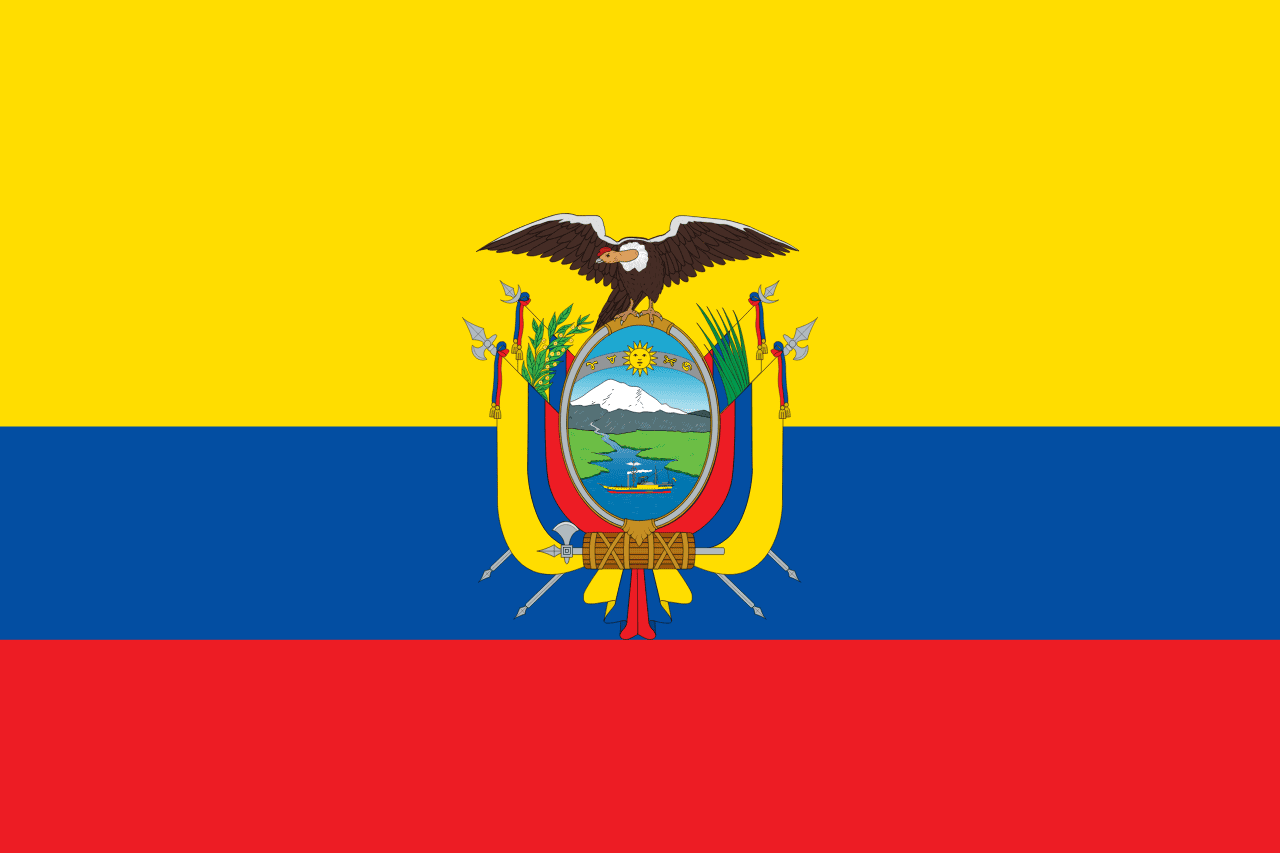
Living in Ecuador has been one of the most transformative experiences of my life. Since I landed in Quito more than four years ago, I’ve come to appreciate the intricacies and nuances of daily life here. It’s a land of diverse landscapes, rich cultures, and vibrant communities, where each day unfurls with a unique rhythm. Join me as I share what it’s really like to live in this beautiful country, from the sounds of the bustling mercados to the warmth of the local families.
Everyday life in Ecuador is a joyous blend of tradition and modernity. Mornings typically start early, around 6 a.m., as the sun peeks over the Andean mountains. The first sounds to greet you are the melodious chirping of birds and the distant call to prayer from the local church. The air is crisp, and the aroma of freshly brewed coffee wafts through the streets. Many Ecuadorians begin their day with a hearty breakfast of “bolón de verde” — a delicious, fried plantain ball stuffed with cheese or chicharrón. At around $1.50, it's a filling and affordable way to start the day.
The cost of living in Ecuador is one of the most appealing aspects. With a monthly budget of around $800, one can live comfortably in cities like Cuenca or Loja, where rents for a modest two-bedroom apartment range from $300 to $600. Utilities, internet, and a mobile phone plan usually add another $100 to $150 monthly. Food is incredibly inexpensive, with a meal at a local restaurant costing between $3 to $5. Street vendors offer an array of snacks, from empanadas to ceviche, for just a dollar or two. This affordability allows for a life filled with spontaneity; I often find myself dining out or indulging in weekend excursions without breaking the bank.
Ecuador’s food culture is a delightful tapestry woven from indigenous traditions, Spanish influences, and coastal flavors. Each region brings its own specialties, so foodies will never run out of options. In the highlands, you’ll savor “locro de papa,” a creamy potato soup topped with avocado and cheese, while the coastal region offers a fresh ceviche, made with shrimp or fish marinated in citrus juices. I developed a particular fondness for “fritada,” a savory pork dish that’s often served with hominy and plantains. Meal times are social events, often shared with family or friends, and it’s common to see people lingering at the table long after the plates have been cleared, enjoying conversation and laughter.
Social customs in Ecuador are deeply rooted in culture and tradition, which permeate daily interactions. Ecuadorians are warm and welcoming, often greeting each other with a kiss on the cheek, even among acquaintances. A genuine “buenas tardes” (good afternoon) when entering a shop can open doors and create connections. Family is the bedrock of Ecuadorian society, often encompassing not just immediate relatives but extended family as well. Sunday family gatherings are commonplace, where everyone contributes a dish to share. It’s an endearing custom that underscores the importance of community and togetherness.
Work culture in Ecuador can be both rewarding and challenging. The standard workweek typically runs from Monday to Friday, with many businesses closing during the traditional “siesta” hours in the afternoon. This break can last from 1 p.m. to 3 p.m., allowing for a relaxed lunch and a chance to recharge. While punctuality is valued, you may find that meetings often start late or that work schedules are more flexible than in many Western countries. I’ve learned to embrace this fluidity, viewing it as a part of the local charm. It’s common for coworkers to socialize over lunch, strengthening relationships and fostering a sense of camaraderie.
Weekends in Ecuador are a delightful escape from the routine. Many locals head to the countryside, where they can enjoy the breathtaking landscapes and partake in outdoor activities. Whether hiking the breathtaking trails of Cotopaxi National Park or lounging on the beaches of Montañita, there is something for everyone. Markets are alive with activity on Saturdays, offering everything from fresh produce to artisanal crafts. I love visiting the Otavalo Market, where I can purchase handmade textiles and indulge in the local music scene. In the evenings, you’ll find families enjoying traditional dances or heading to local festivals, bringing the community together in celebration.
Weather in Ecuador varies dramatically across regions, influenced by its diverse geography. The coastal areas experience a warm, tropical climate, while the highlands, where cities like Quito and Cuenca are located, have a milder, spring-like climate year-round. This variability shapes daily life; for instance, in Quito, it’s wise to dress in layers, with sunshine often followed by sudden rain showers. The rainy season, which lasts from December to May, can be intense, but I’ve come to appreciate the vibrant greenery it brings, transforming the landscape into a lush paradise.
Living in Ecuador is not without its challenges, but the positives often outweigh the negatives. One of the main hurdles is navigating the bureaucracy. Whether it’s obtaining a visa or dealing with paperwork for health insurance, the process can be frustrating and time-consuming. However, the patience and persistence I’ve developed have made me more resilient. Additionally, while crime is a concern in some areas, I’ve learned to take precautions, such as avoiding flashing valuables and being aware of my surroundings. The sense of community often mitigates these fears, as locals look out for one another.
What surprises foreigners most about Ecuador is the warmth and hospitality of the people. It’s common for locals to invite newcomers into their homes for a meal or a celebration. I remember one specific occasion when a neighbor invited me to their family gathering, where I was treated to traditional dishes and performances of folk music. The genuine curiosity and kindness of Ecuadorians have made me feel at home in ways I never anticipated.
Another surprising aspect is the deep-rooted culture of community and support. During my time here, I’ve witnessed countless examples of neighbors coming together to help one another, whether it’s organizing fundraisers for a family in need or sharing resources. This interconnectedness builds a strong sense of belonging, making it easier to navigate life’s ups and downs.
As I reflect on my life in Ecuador, I’m overwhelmed with gratitude for the experiences I’ve had and the relationships I’ve built. The rhythm of daily life pulses with warmth and vibrancy, where every day offers new lessons and adventures. Whether I’m savoring a meal at a local eatery, navigating the bustling markets, or enjoying the breathtaking landscapes, I am continuously reminded of the beauty of Ecuador. It’s a place where the simple joys of life shine brightly, and I feel fortunate to call it home.