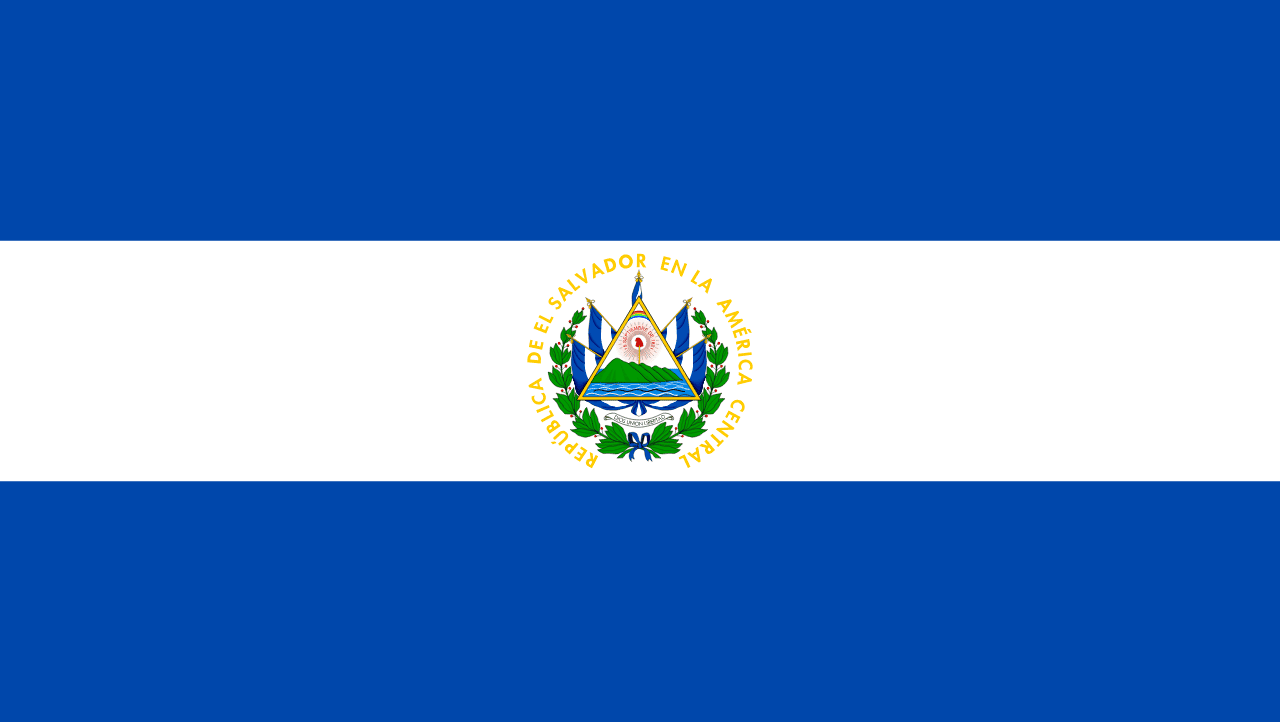
El Salvador, often overshadowed by its Central American neighbors, is a country that possesses a unique charm and vibrancy, a place where everyday life is infused with warmth, resilience, and a rich tapestry of culture. Having lived here for several years, I can attest that life in this small nation is filled with contrasts, from stunning landscapes to the hustle and bustle of urban centers. With its stunning beaches, lush mountains, and vibrant cities, El Salvador offers a daily life experience that is both enriching and sometimes challenging.
One of the first things that strikes you about life in El Salvador is the cost of living. Compared to many Western countries, it is incredibly affordable. A decent meal at a local restaurant can cost around $3 to $5, while street food options, which are often delicious and freshly made, can go as low as $1. For instance, pupusas—a traditional Salvadoran dish made of corn flour and stuffed with a variety of fillings—can be found at almost every corner. For about $1 each, they offer not just a meal, but a taste of local culture. Supermarkets are stocked with local and imported goods alike, and a monthly grocery bill for a family of four can range from $200 to $300, depending on eating habits.
Daily life here often begins early, with the sun rising around 5:30 AM. Many locals wake up to the sound of birds chirping and the aroma of freshly brewed coffee. Salvadoran coffee is renowned for its quality, and it’s a staple in many households. Breakfast is typically hearty, featuring dishes like “huevos rancheros” (eggs with tomato sauce) or “desayuno típico,” which includes eggs, fried plantains, and beans. It’s a time for families to gather before heading off to work or school.
As a nation deeply rooted in family values, social customs play a significant role in everyday interactions. Greetings are warm and often involve a hearty “¡Hola!” accompanied by a hug or a handshake, depending on the familiarity between the individuals. It’s customary to ask how someone is doing, and you’ll often hear “¿Y vos?” (And you?) as part of the conversation. Family gatherings, whether for birthdays, holidays, or simply weekend get-togethers, are common and usually feature a plethora of food and laughter. These interactions help to cultivate a strong sense of community, which is vital in a country that has faced its share of challenges.
Family life in El Salvador is central to social structure; many households consist of extended family members living together or nearby. Children are cherished, and family responsibilities are often shared. Grandparents play a significant role in raising grandchildren, providing wisdom and support, while parents typically juggle work and home life. Education is valued, and there are efforts to provide access to quality schooling, although rural areas may struggle with resources. Elementary school is free, and uniforms are required, which can add to the financial burden for some families.
When it comes to work culture, the pace can differ significantly from what some foreigners might expect. The Salvadoran work week usually runs from Monday to Friday, with many businesses closing early on Saturdays. There’s a strong emphasis on personal relationships in professional settings; networking and knowing people can sometimes be just as important as qualifications. The average salary for many professions is modest, with many workers earning between $300 to $600 a month. However, those in the tech industry or specialized fields can earn significantly more. It’s common for workers to bring their lunch to save money, and sharing food with coworkers is a friendly gesture.
Weekends in El Salvador are a vibrant mix of relaxation and celebration. Many locals take advantage of the country’s stunning beaches, such as El Tunco or La Libertad, where they can enjoy the sun, surf, and fresh seafood. For a few dollars, you can rent a beach chair or surfboard for the day. The lively atmosphere is often accompanied by live music, especially on Sundays, when families gather to enjoy the vibrant culture. Festivals and events are also frequent, celebrating everything from the local patron saint’s day to the national holiday, where parades and fireworks light up the sky.
The weather in El Salvador is another defining characteristic of daily life. The country experiences a tropical climate with a distinct dry season from November to April and a rainy season from May to October. The dry season is marked by sunshine and warmth, making it ideal for outdoor activities. In contrast, the rainy season transforms the landscape into a lush green paradise, but it also brings challenges, such as flooding in some areas. Regardless of the season, the weather dictates a more relaxed approach to life here; it’s not uncommon for activities to briefly pause during a heavy downpour before resuming once the sun comes out again.
Life in El Salvador is not without its challenges. Safety can be a concern, particularly in certain urban areas where crime rates have historically been high. However, many residents navigate these issues with a blend of caution and community solidarity. Locals often know the best times and places to avoid, relying on each other to stay informed. Additionally, economic challenges persist, with many families living paycheck to paycheck and struggling to save for emergencies or the future. Despite this, the resilience and optimism of Salvadorans are palpable, with a strong belief in progress and better days ahead.
On the positive side, the sense of community is a remarkable aspect of life here. Neighbors look out for one another, and it’s common for people to lend a helping hand without expecting anything in return. The Salvadoran spirit is one of unity; throughout the years, they have shown incredible resilience and creativity, especially in the face of adversity. A popular phrase you’ll often hear is “poco a poco,” meaning “little by little,” reflecting the mindset of gradual progress and hope.
Foreigners living in El Salvador often find themselves pleasantly surprised by the hospitality of the locals. The friendliness is infectious, and it’s not uncommon for a stranger to invite you to their home for a meal or a party. This openness can be a beautiful revelation for those coming from more reserved cultures. Many expats also find that learning a few phrases in Spanish goes a long way in building relationships. Simple greetings or expressions of appreciation such as “gracias” or “muy amable” can elicit smiles and even more warmth from the locals.
The culinary scene is another delightful aspect of everyday life. While traditional food dominates, there is an increasing number of international restaurants and cafes popping up, especially in urban areas like San Salvador. You can find everything from Italian gelato to Japanese sushi, although nothing compares to the satisfaction of enjoying fresh ceviche by the beach or a steaming bowl of sopa de gallina (hen soup) after a long day. Markets are a treasure trove of fresh produce, and visiting them is a common practice for families looking to get the best ingredients for their meals.
In conclusion, living in El Salvador is a vibrant experience filled with cultural richness, familial bonds, and an intricate blend of challenges and triumphs. From the affordability of daily life to the strength of community ties, this small nation offers a tapestry of experiences that shape the lives of its residents. The warmth of the people, the beauty of the landscapes, and the complexities of daily routines all contribute to a life that is not just lived, but celebrated. Whether you are enjoying a pupusa with friends or basking under the Salvadoran sun, there is always something special about being part of this beautiful country.