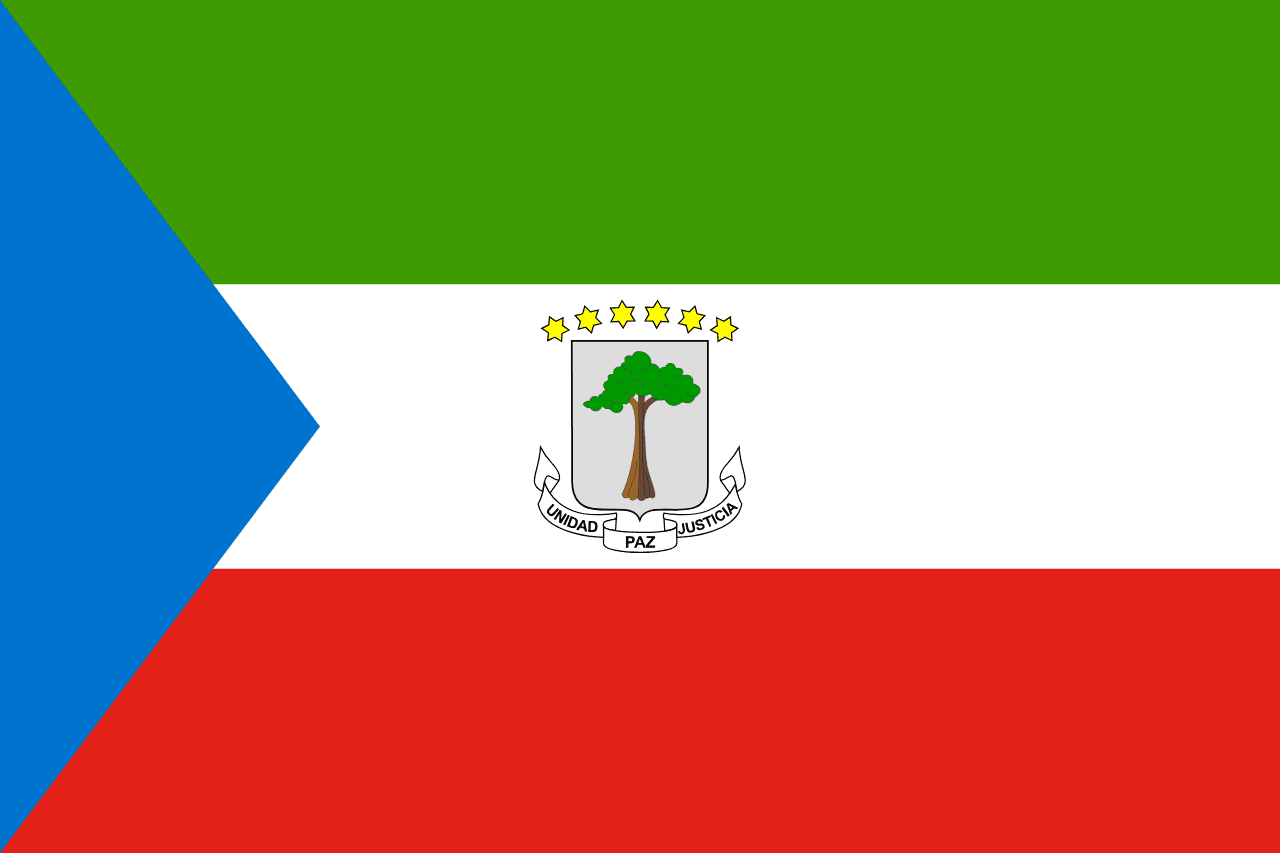
Hidden Gems of Equatorial Guinea: Places Most Tourists Miss
🌐 Translate:
When most people picture Equatorial Guinea, they often conjure up images of its capital, Malabo, with grand colonial architecture, lush landscapes, and fascinating wildlife. While this coastal city certainly has its charm, venturing beyond the surface reveals a treasure trove of hidden gems that remain largely undiscovered by tourists. Equatorial Guinea is a country rich in cultural diversity, breathtaking natural beauty, and warm-hearted locals, making it an unforgettable destination for those willing to stray from the typical itineraries. If you’re looking to explore the lesser-known corners of this West African nation, here are ten places and experiences that promise to enrich your journey.
First on our list is the stunning island of **Bioko Norte**, which is often overshadowed by its more famous counterpart, Bioko Sur, where Malabo is located. Bioko Norte boasts pristine beaches, lush rainforests, and abundant wildlife. The region is home to the serene town of **Luba**, a former trading port that offers insights into the local culture and history. The idyllic beaches around Luba, particularly Playa de Santa Maria, invite visitors to unwind while enjoying stunning sunsets. To get there, simply take a short taxi ride or a guided tour from Malabo, making sure to sample fresh seafood from the local eateries.
A short boat ride away, the village of **Moka** on Bioko Island is another hidden gem. Nestled in the heart of a lush rainforest, Moka is a fantastic base for exploring the island’s natural wonders. The village is known for its vibrant traditional culture, and visitors can participate in various local customs and festivals. One of the highlights here is the annual **Moka Festival**, where locals showcase their traditional dances, music, and crafts, creating a vibrant atmosphere. To reach Moka, take a boat from Malabo to the nearby coastal village of Luba, then arrange for a local guide or taxi to take you into the village.
If you’re looking for a taste of Equatorial Guinea’s diverse wildlife, head to the **Monte Alén National Park**. This awe-inspiring reserve is located in the continental region of Río Muni, and it is often overlooked by tourists who stick to the islands. The park is home to a vast array of endemic species, including gorillas, elephants, and various species of birds. Hiking through the park’s verdant trails offers a chance to immerse yourself in the tranquil beauty of nature. The park is accessible from the town of **Evinayong**, where you can hire a local guide to enhance your trekking experience.
For those interested in the country’s rich history, the charming town of **Bata** should not be missed. This bustling port city serves as the economic heart of Equatorial Guinea and boasts a vibrant mix of cultures due to its history as a trading post. Do not miss the **Museo de Bata**, which houses intriguing artifacts that tell the story of the nation’s past. The nearby **Playa de Arena**, a beautiful beach lined with palm trees, offers a perfect spot to relax after a day of exploration. To reach Bata, take a domestic flight from Malabo or an adventurous road trip that showcases the scenic countryside.
The small village of **Cogo** presents another unique opportunity to experience the authentic everyday life in Equatorial Guinea. Located near the coast, this sleepy village is home to warm, welcoming locals and is a fantastic place to witness traditional fishing techniques and local culinary practices. Participating in a fishing trip or a cooking class can be an enlightening experience. To make your way to Cogo, you can take a taxi or hire a local guide from Bata, who can provide further insights into the area’s culture.
Next, let’s venture to **Corisco Island**, a hidden paradise that remains off the radar for most visitors. This picturesque island is famous for its breathtaking beaches and rich marine life, making it an ideal spot for snorkeling and diving. Each beach offers its own unique charm, from secluded coves to vibrant beachfronts dotted with local eateries. The best way to reach Corisco is by taking a boat from Bata, with several local operators offering transportation services. This tranquil escape promises an unforgettable experience for those seeking solitude amidst nature’s beauty.
Don’t miss the opportunity to experience the vibrant **Festa de la Música** in Malabo, an annual music festival that showcases diverse local and international musical talent. Held every June, the festival transforms the city into a lively celebration of culture, with performances ranging from traditional dance to contemporary music. It's an excellent time to immerse yourself in the local culture, sample delicious street food, and engage with the community. To enjoy the festival, book your accommodations in advance, as this event attracts visitors from all over the region.
For a truly unique experience, consider visiting **Nsok Nsok**, a hidden village well-known for its intricate mask-making tradition. Located near the town of **Evinayong**, this village is deeply rooted in the cultural history of the region. Visitors can witness local artisans at work, creating beautiful masks used in traditional ceremonies. Participating in a mask-making workshop offers a personal connection to this ancient craft. To reach Nsok Nsok, you can hire a local taxi from Evinayong or join a guided cultural tour that includes a visit to this fascinating village.
Another off-the-beaten-path experience awaits at **Riaba**, a charming village known for its lush landscapes and stunning waterfalls. The **Cascadas de Riaba** are a series of breathtaking waterfalls cascading into crystal-clear pools, perfect for a refreshing swim amidst nature. The village itself is small and inviting, offering visitors a chance to interact with locals and learn about their traditional way of life. The best way to get to Riaba is by taking a bus or a taxi from Bata, followed by a short hike to the waterfalls.
Finally, consider exploring the **Bubi People**, an indigenous group residing primarily on Bioko Island. Their rich cultural heritage is showcased through their traditional ceremonies, music, and dance. Visiting a Bubi village offers you a unique glimpse into their customs and daily life. Participating in a local ceremony or festival can be an enriching experience, allowing you to connect with the community on a deeper level. To visit a Bubi village, arrange a trip from Malabo with a local guide who can help facilitate the experience.
As you plan your adventure in Equatorial Guinea, keep in mind a few practical tips to enhance your journey. First, consider learning a few words of Spanish, as it is the official language of the country and will help you connect with the locals. Additionally, it’s essential to respect local customs and traditions, especially when visiting villages and participating in cultural activities. Dress modestly and be mindful of photography, as some communities may have restrictions.
Moreover, local transportation can be a bit unpredictable, so it’s wise to plan your route in advance. Hiring a local guide can provide invaluable insights and ensure that your travel experience is smooth. Lastly, be prepared for the weather; the tropical climate can be humid, so packing lightweight clothing and staying hydrated is crucial.
Equatorial Guinea is a land of extraordinary beauty and cultural richness. Though it may not have the same level of tourist traffic as other destinations, the hidden gems scattered throughout the nation are sure to leave a lasting impression. Whether it's exploring vibrant villages, immersing yourself in stunning natural landscapes, or engaging with warm-hearted locals, the country offers a wealth of experiences waiting to be discovered. So pack your bags, embark on an adventure, and prepare to uncover the lesser-known treasures of Equatorial Guinea.