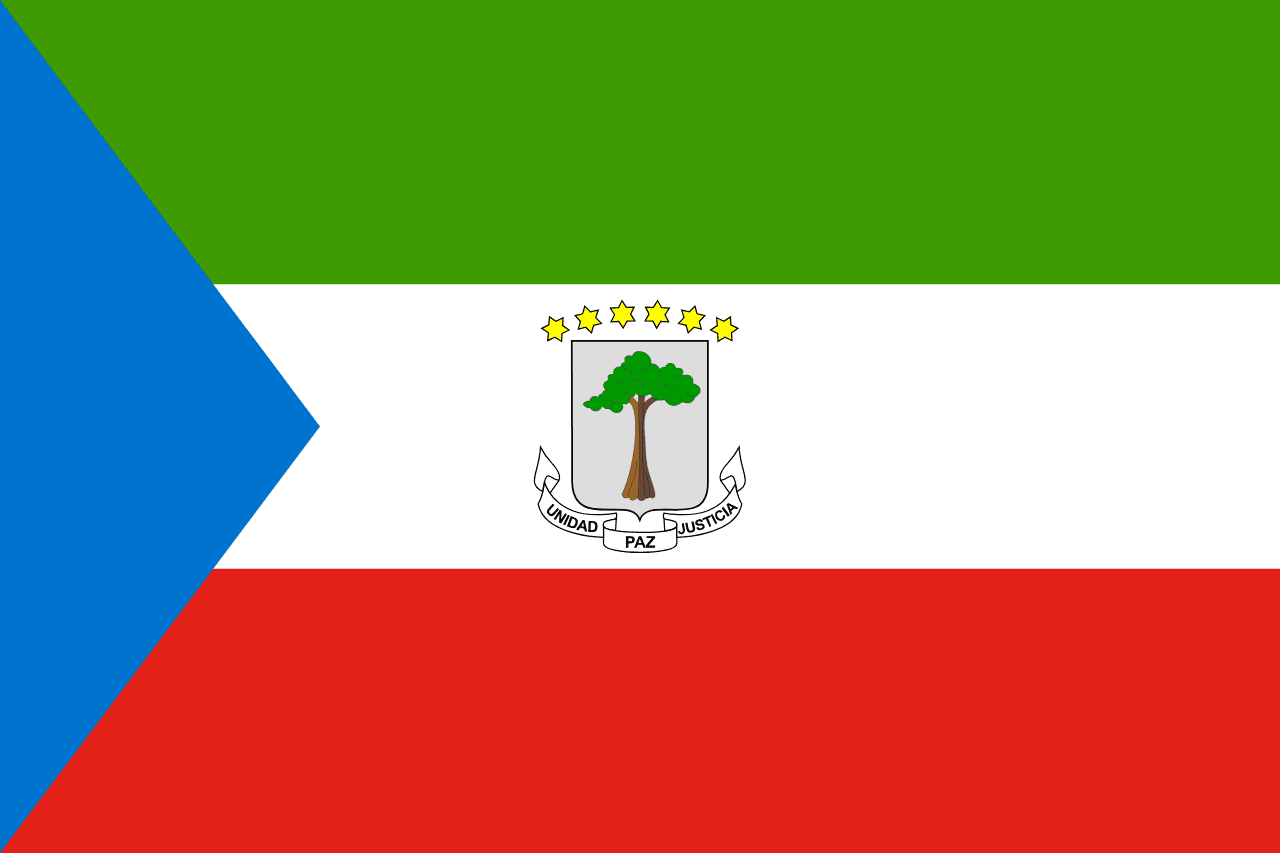
The Food of Equatorial Guinea: 10 Dishes You Must Try
🌐 Translate:
Nestled in the heart of Central Africa, Equatorial Guinea is a country that may not be on everyone's culinary radar, yet it boasts a diverse and vibrant food culture that reflects its rich history and geographic diversity. This tiny nation, with its lush rainforests, idyllic beaches, and cultural influences from Spain, Africa, and indigenous tribes, offers a culinary experience that is both unique and unforgettable. As I wandered through bustling markets and cozy local eateries, the aromas of sizzling meats, fragrant spices, and fresh produce filled the air, inviting me to discover the culinary treasures hidden within this intriguing nation. Join me as I take you on a flavorful journey through ten must-try dishes of Equatorial Guinea, each one telling a story of tradition, love, and community.
First on the list is **Pepesoup**, known locally as "sopa de pescado." This delightful dish is a staple across the coastal regions of Equatorial Guinea. The preparation begins with fresh fish, often caught just hours before, simmered in a rich broth of tomatoes, onions, and a medley of spices. The taste is a harmonious blend of savory and slightly tangy, punctuated by the warmth of chili peppers. I remember the first time I savored this dish at a beachside café in Bata, where the gentle sound of waves accompanied the meal. The locals often suggest adding a splash of lime to enhance the flavors, and I couldn’t agree more; the citrus elevates the dish into an experience. Enjoying Pepesoup while watching the sunset over the ocean is a memory I will cherish forever.
Next up is **Ekwang**, a dish that is as much about the company as it is about the food. Ekwang consists of grated cocoyam (taro) wrapped around a savory filling of meat, usually fish or chicken, and simmered in a rich sauce made from palm oil and spices. The taste is both hearty and comforting, with the soft cocoyam complementing the spiced filling perfectly. I was fortunate enough to share this dish with a local family during a traditional gathering, where the preparation was a communal affair. As I watched them skillfully wrap the cocoyam, I learned that Ekwang is often served during celebrations and family reunions, symbolizing unity and togetherness.
Moving on, we have the delightful **Mbongo Tchobi**, a dish that captures the essence of Equatorial Guinea’s culinary heritage. Mbongo Tchobi is a stew made with smoked fish, typically catfish, and flavored with a sauce of ground spices, including black pepper and palm oil, which gives it a unique earthy taste. The dish is often served with rice or plantains, making for a filling meal. I remember sitting at a local restaurant in Malabo, where the owner proudly recounted how his grandmother used to make this dish for large family gatherings. It was clear that Mbongo Tchobi is not just food; it’s a cherished part of their cultural identity, passed down through generations.
Next, the traditional **Fufu** makes its appearance. This starchy staple is usually made from cassava or plantains, pounded into a smooth, stretchy consistency. Fufu has a mild flavor, making it the perfect accompaniment to various stews and sauces. I enjoyed Fufu at a lively street stall while chatting with the friendly vendor, who explained that this dish is often served during communal meals, where everyone dips into the same bowl. The tactile experience of tearing off pieces of Fufu and using it to scoop up delicious stews created a sense of camaraderie that I found truly heartwarming.
Then there’s **Atole**, a comforting porridge-like dish made from cornmeal. It’s typically sweetened with sugar or honey and flavored with vanilla, making it a popular breakfast or snack option. I stumbled upon Atole at a local market, where vendors offered it steaming hot, garnished with cinnamon. As I took my first spoonful, I was enveloped in a wave of warmth and nostalgia, reminiscent of childhood breakfasts. The locals often enjoy Atole with fresh fruit or bread, making it a versatile and beloved dish across the country.
Another dish worth savoring is **Bocadillos**, which are delightful snacks made from fried plantains, often served with a variety of dips. The crispy exterior gives way to a soft, sweet interior that is simply irresistible. I discovered Bocadillos at a street fair, where vendors were frying them fresh on the spot. The locals dip them in spicy sauces, adding a kick that perfectly contrasts the natural sweetness of the plantains. Each bite was a burst of flavor, and I couldn’t help but chat with the vendor, who shared that Bocadillos are often enjoyed during festivals and gatherings, perfect for sharing with friends and family.
As I ventured further into the culinary landscape, I encountered **Kola Nuts**. Though not a dish per se, these nuts play a significant role in Equatorial Guinea’s culture. Traditionally chewed as a stimulant and appetite suppressant, Kola Nuts are also offered during social gatherings and ceremonies as a symbol of hospitality. My introduction to Kola Nuts came during a warm conversation with a local elder, who explained their cultural significance. The bitter taste of the nuts was a stark contrast to the sweetness of the other dishes I had experienced, serving as a reminder of the rich tapestry of flavors that define this nation.
No culinary journey would be complete without trying **Camarones al Ajillo**, or garlic shrimp. This dish features succulent shrimp sautéed in garlic and olive oil, often garnished with fresh herbs. The delightful medley of flavors takes center stage, with the garlic providing a robust punch that elevates the sweetness of the shrimp. I dined on Camarones al Ajillo at a seaside restaurant in Malabo, where I watched fishermen bring in their daily catch. This dish is often enjoyed during special occasions, embodying the coastal lifestyle that is so integral to Equatorial Guinea’s culture.
Then we come to the exquisite **Choco Mocha**, a dessert that combines the flavors of chocolate and coffee. This rich treat is often made with cocoa powder, sugar, and a dash of coffee, creating a delightful blend that is both satisfying and energizing. I discovered Choco Mocha at a quaint café where the barista shared that it is often enjoyed as an afternoon pick-me-up. With each sip, I felt the warmth spread through me, a sweet reminder of the joy that food and drink can bring.
Finally, rounding off this culinary adventure is **Malamba**, a delicious cake made from cassava flour, sugar, and coconut. The cake has a moist, chewy texture that is simply delightful. I had the pleasure of trying Malamba at a local bakery, where the aroma of fresh baked goods wafted through the air. The locals often serve this cake during celebrations, representing the sweetness of life and the joy of sharing. I left the bakery with a slice in hand and a smile on my face, knowing that I had experienced a true taste of Equatorial Guinea.
As I reflect on this culinary journey, one thing is clear: Equatorial Guinea's food culture is a vibrant tapestry woven from the threads of tradition, community, and love. To truly experience the best of Equatorial Guinea’s cuisine, one must explore the local markets, bustling street stalls, and family-run restaurants. The markets are a sensory delight, where you can witness the colorful array of fresh produce, spices, and local ingredients that form the backbone of these dishes. Street stalls are perfect for sampling local snacks like Bocadillos and Atole, while the cozy restaurants invite you to sit down and enjoy a hearty meal like Mbongo Tchobi or Ekwang.
Each bite I took during my travels through Equatorial Guinea was a window into the heart and soul of its people, and I invite you to embark on this delicious adventure. The flavors are rich, the stories are captivating, and the warmth of the local hospitality will leave you wanting to return again and again. So pack your bags and prepare your taste buds; a culinary journey through Equatorial Guinea awaits!