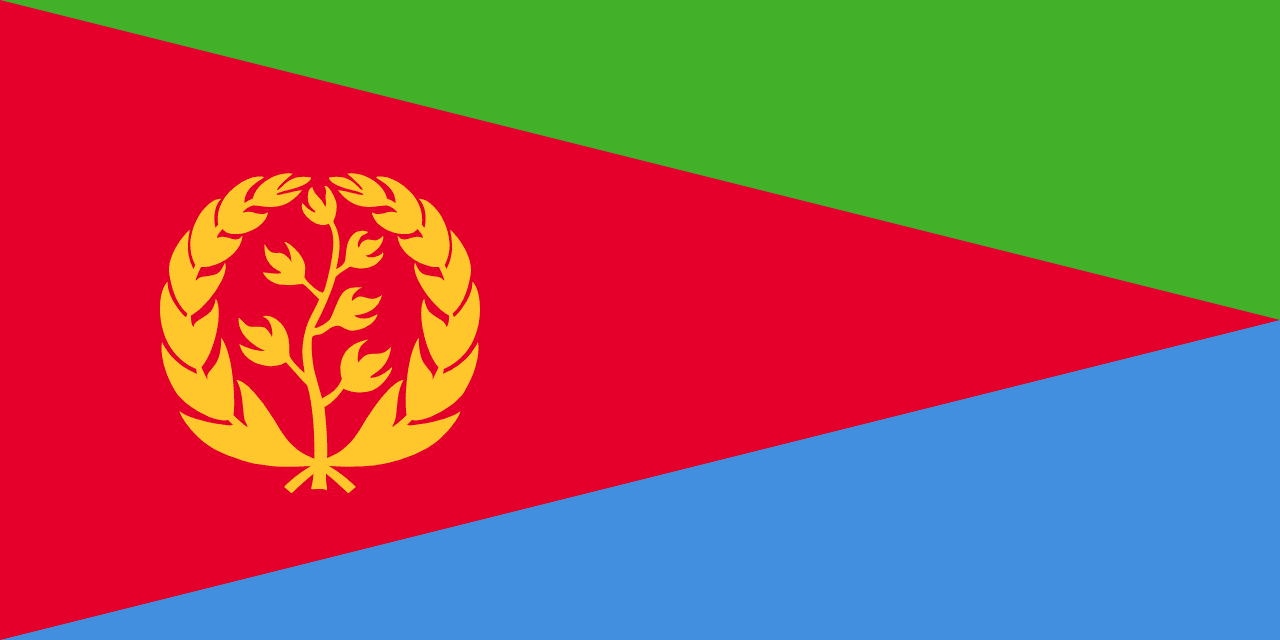
Eritrea: The Cycling Nation Born From One of Africa's Longest Struggles
🌐 Translate:
Eritrea produces world-class cyclists from a country of six million people — a fact that has surprised international cycling for decades. Daniel Teklehaimanot became the first African to wear the polka-dot jersey at the Tour de France in 2015. Natnael Tesfatsion competes at the highest professional levels. The cycling tradition comes from Italian colonial infrastructure — Eritrea was an Italian colony from 1890 to 1941, and the Italians built excellent roads and a passion for cycling that the Eritrean population adopted and maintained.
Eritrea achieved independence from Ethiopia in 1993 after a 30-year liberation struggle — one of the longest independence wars in African history, fought by the Eritrean People's Liberation Front against successive Ethiopian governments. The war produced a generation of fighters whose discipline and sacrifice are deeply embedded in the national identity. Eritrea is sometimes called the North Korea of Africa due to its closed political system and mandatory indefinite national service, but this comparison misses the pride many Eritreans feel in having won their freedom through their own effort.
The coffee ceremony in Eritrea — as in neighbouring Ethiopia — is a social ritual of hours rather than minutes. The beans are roasted in front of guests, ground by hand, and brewed in a clay pot called a jebena. Frankincense burns throughout. The ceremony is the social act, not the coffee itself. Eritrea's Red Sea coast, its historic towns of Massawa and Asmara — the latter called the art deco capital of Africa for its extraordinary Italian modernist architecture — represent a country whose beauty and complexity are largely invisible to the outside world.