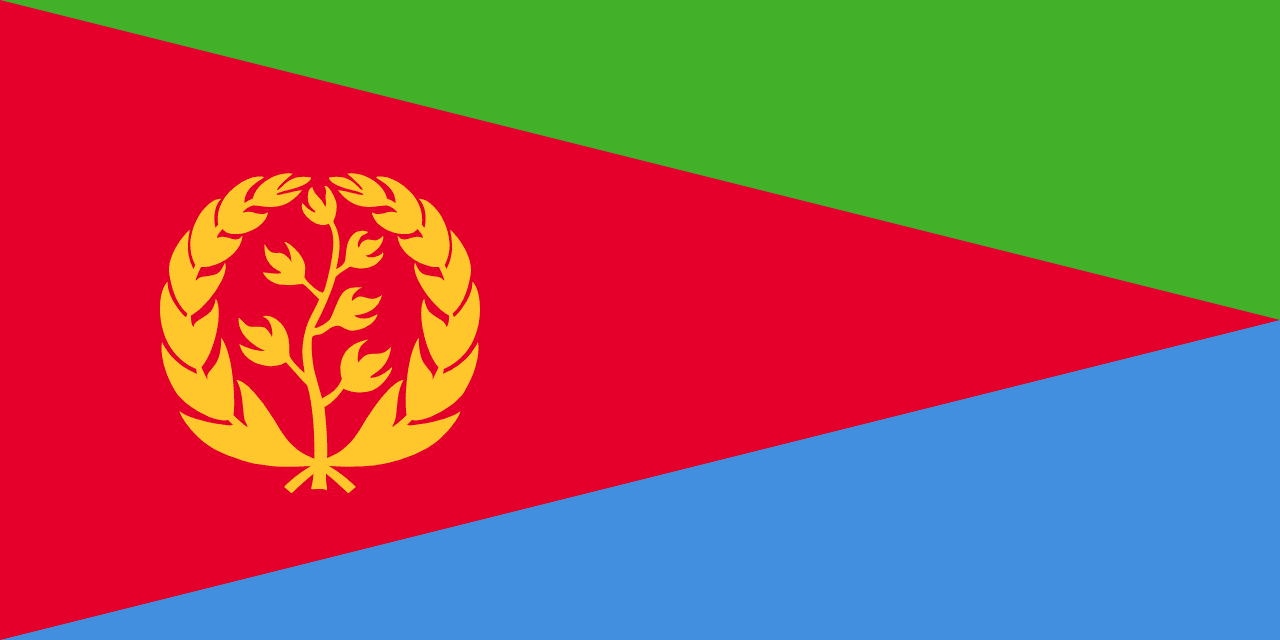
What It's Really Like to Live in Eritrea
Nestled on the eastern coast of Africa, Eritrea is a country that often flies under the radar, yet it possesses a distinct and vibrant culture that is as complex as it is captivating. Having spent several years here, I can attest that life in Eritrea is a blend of the extraordinary and the ordinary. Whether you are navigating the bustling markets of Asmara, enjoying a traditional meal with a local family, or participating in community events, every day is imbued with a unique rhythm shaped by history, culture, and the resilience of its people.
Daily life in Eritrea is characterized by a strong sense of community. The mornings often begin early, as the sun rises over the rugged mountains and casts a warm glow over the landscape. In Asmara, the capital city, the streets awaken to the sound of vendors setting up their stalls, selling everything from fresh produce to traditional handicrafts. Prices in the local markets are surprisingly low by Western standards; you can buy a kilo of tomatoes for about 10 nakfa (approximately $0.65 USD), and a loaf of freshly baked injera, the staple flatbread, for around 5 nakfa. The bustling markets are filled with vibrant colors and the tantalizing aroma of spices, drawing locals and foreigners alike.
Food culture is an integral part of Eritrean life, and no experience is complete without indulging in the local cuisine. Meals are often communal, shared among family and friends. The centerpiece of any meal is injera, accompanied by an array of stews called "wat." Common choices include doro wat (chicken stew), sigri wat (beef stew), and shiro (a chickpea-based dish). Eating with your hands is the norm, and it’s customary to tear off a piece of injera and use it to scoop up the stews. This practice fosters a sense of intimacy and connection as everyone gathers around the mesob, a traditional woven basket serving as the dining table.
Social customs in Eritrea underscore the importance of hospitality and respect. When visiting someone’s home, it’s customary to greet the host with a warm "Selam" (hello) and to inquire about their well-being. Eritreans often express warmth through physical gestures; a friendly handshake is common, and for those who are close, a kiss on both cheeks signifies affection and camaraderie. It’s not unusual for a guest to be offered coffee, which is a ritual in itself. The Eritrean coffee ceremony involves roasting green coffee beans, grinding them, and brewing the coffee in a special pot called a jebena. This elaborate process highlights the value placed on hospitality and social connection.
Family life in Eritrea is deeply rooted in tradition, with extended families often living in close proximity to one another. Elders command great respect, and their wisdom is sought in decision-making. Family gatherings are frequent, and celebrations like weddings and holidays bring everyone together. The atmosphere is lively, filled with laughter, dancing, and traditional music that resonates through the air. Children play outside, often engaged in games that blend creativity and physical activity, and the community acts as a safety net, looking out for one another.
When it comes to work culture, Eritrea presents a unique landscape shaped by its history and socio-political context. Many people are employed in agriculture, which forms the backbone of the economy. Coffee and khat (a local stimulant) are significant cash crops, while livestock farming is also prevalent. Urban areas like Asmara are home to a diverse range of occupations, from government work to small businesses. The workweek typically runs from Sunday to Thursday, with Friday and Saturday reserved for rest and worship.
One of the most intriguing aspects of working life in Eritrea is the National Service program, which mandates military and civil service for young Eritreans. While this program is often a point of contention, it plays a crucial role in shaping the lives of many, instilling a sense of discipline and duty. Individuals often find themselves working in various sectors, from education to healthcare, but the experience can be both challenging and rewarding.
Weekends in Eritrea are a time for relaxation and socializing. Many locals take advantage of the beautiful natural landscapes, with families enjoying picnics in the countryside or going for walks along the waterfront in Massawa. The beaches along the Red Sea are particularly popular, with their stunning coral reefs attracting both locals and tourists. It’s common to see families gathering for outdoor grilling sessions, creating a joyful atmosphere filled with laughter and the sizzling sounds of fresh fish and meats being cooked over open flames.
The weather in Eritrea varies significantly between regions. Asmara, sitting at an elevation of 2,400 meters (about 7,874 feet), enjoys a temperate climate, making it pleasant year-round. However, as you venture down to the coastal regions, temperatures can soar, especially during the summer months. The heat can be stifling, but it also encourages a slower pace of life, where midday siestas become a cherished ritual. The cooler evenings are often spent socializing outdoors, enjoying the refreshing breeze.
Living in Eritrea comes with its fair share of challenges and positives. One of the most significant hurdles is the limited access to resources and infrastructure. Basic services like electricity and internet can be inconsistent, impacting daily life and productivity. However, this scarcity has fostered a culture of creativity and resourcefulness among the people. Many Eritreans have developed ingenious ways to make do with what they have, whether it's repurposing materials or creating makeshift solutions for everyday problems.
Despite these challenges, the resilience and optimism of the Eritrean people shine through. There is a palpable sense of community spirit, with neighbors lending a helping hand and friends supporting one another in times of need. This sense of unity provides a strong foundation for daily life and has created a culture that values relationships and connections over material wealth.
For many foreigners visiting Eritrea, several aspects can be surprising. One common revelation is the hospitality and warmth of the people. While there can be language barriers, Eritreans are often eager to engage with visitors, sharing stories and experiences. The vibrant street life, filled with laughter and chatter, stands in stark contrast to the more reserved social environments found in many Western countries.
Another surprise is the simplicity of life here, which often leads to a greater appreciation for the small things. In a world inundated with technology and constant connectivity, Eritrea offers a slower pace that allows for meaningful interactions and moments of reflection. The natural beauty of the country, from its arid landscapes to the azure waters of the Red Sea, serves as a reminder of the world’s wonders beyond the confines of urban life.
In conclusion, living in Eritrea is an experience that is both challenging and enriching. The daily routines, social customs, and familial bonds create a tapestry of life that celebrates resilience and community spirit. While there are obstacles to navigate, the people of Eritrea approach life with warmth, creativity, and an unwavering sense of hope. For those willing to immerse themselves in this unique culture, Eritrea offers a profound and rewarding experience that lingers long after you’ve left.