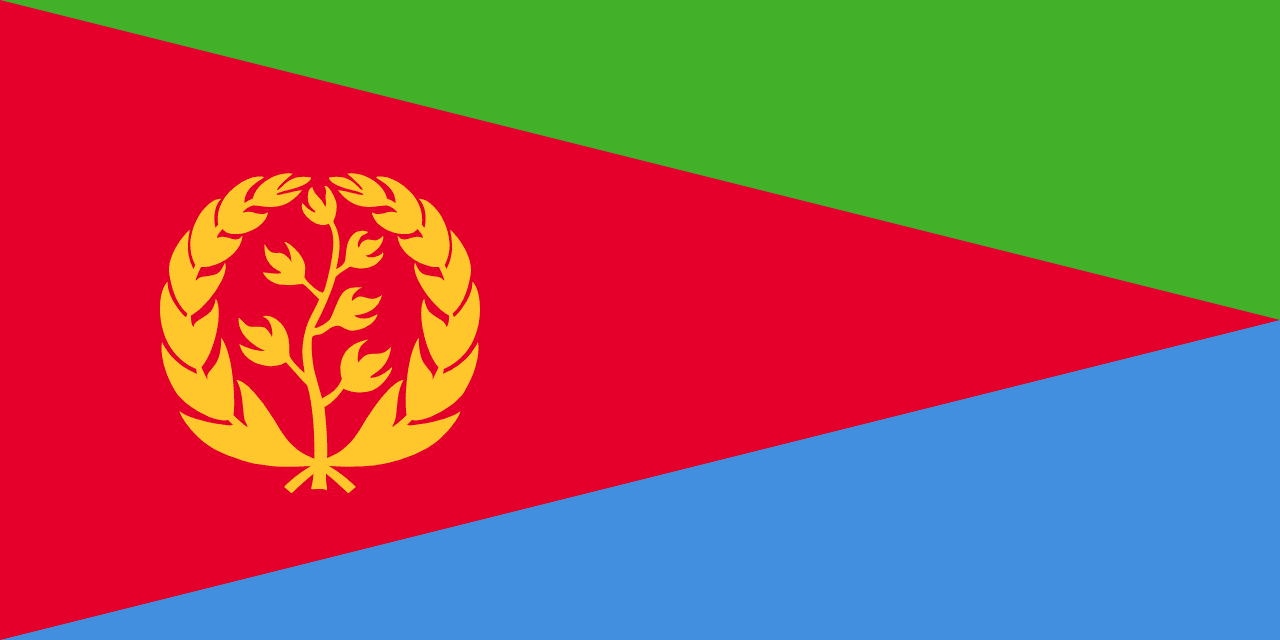
Eritrea is one of the world's most rarely visited countries, a Red Sea nation that gained independence from Ethiopia in 1993 after a thirty-year liberation struggle and has since remained largely off the beaten track. For those who do visit — with the appropriate visa and a spirit of genuine adventure — it offers one of the most untouched and extraordinary travel experiences in Africa.
Asmara, the capital, is the country's great surprise. Built during the Italian colonial period in the 1930s, it contains the largest and best-preserved collection of Modernist, Art Deco, Futurist, and Rationalist architecture in the world — a UNESCO World Heritage site that looks as if Italy dropped a 1930s city intact into the Horn of Africa. The Fiat Tagliero building — designed to look like an aircraft, with cantilevered concrete wings — is one of the most audacious pieces of architecture in Africa. The Cinema Impero, the covered market, and the wide Harnet Avenue all contribute to a city unlike anywhere else on the continent.
The Dahlak Archipelago in the southern Red Sea is Eritrea's greatest untapped natural asset. Hundreds of coral islands, many uninhabited, sit in crystalline water above reef systems that have had minimal diving pressure for decades. The coral health and fish diversity are exceptional — nurse sharks, sea turtles, manta rays, and species of reef fish rarely seen at more visited dive sites are all here.
The ancient city of Qohaito sits at 2,500 metres on a high plateau and contains ruins that predate the more famous Aksumite sites of Ethiopia — temples, dams, and obelisks that speak to a sophisticated civilisation whose full story is only partially known.
Massawa on the Red Sea coast is a port city of Ottoman and Egyptian-influenced architecture built on islands connected by causeways. The old city remains a haunting and photogenic landscape of coral-block buildings and sea-bleached streets.
Eritrean cuisine closely resembles Ethiopian — injera flatbread with spiced meat stews, lentils, and fresh cottage cheese. The coffee ceremony, with its three rounds of progressively lighter coffee, is a social ritual of great importance. The best time to visit is October to March, during the cooler and drier months.