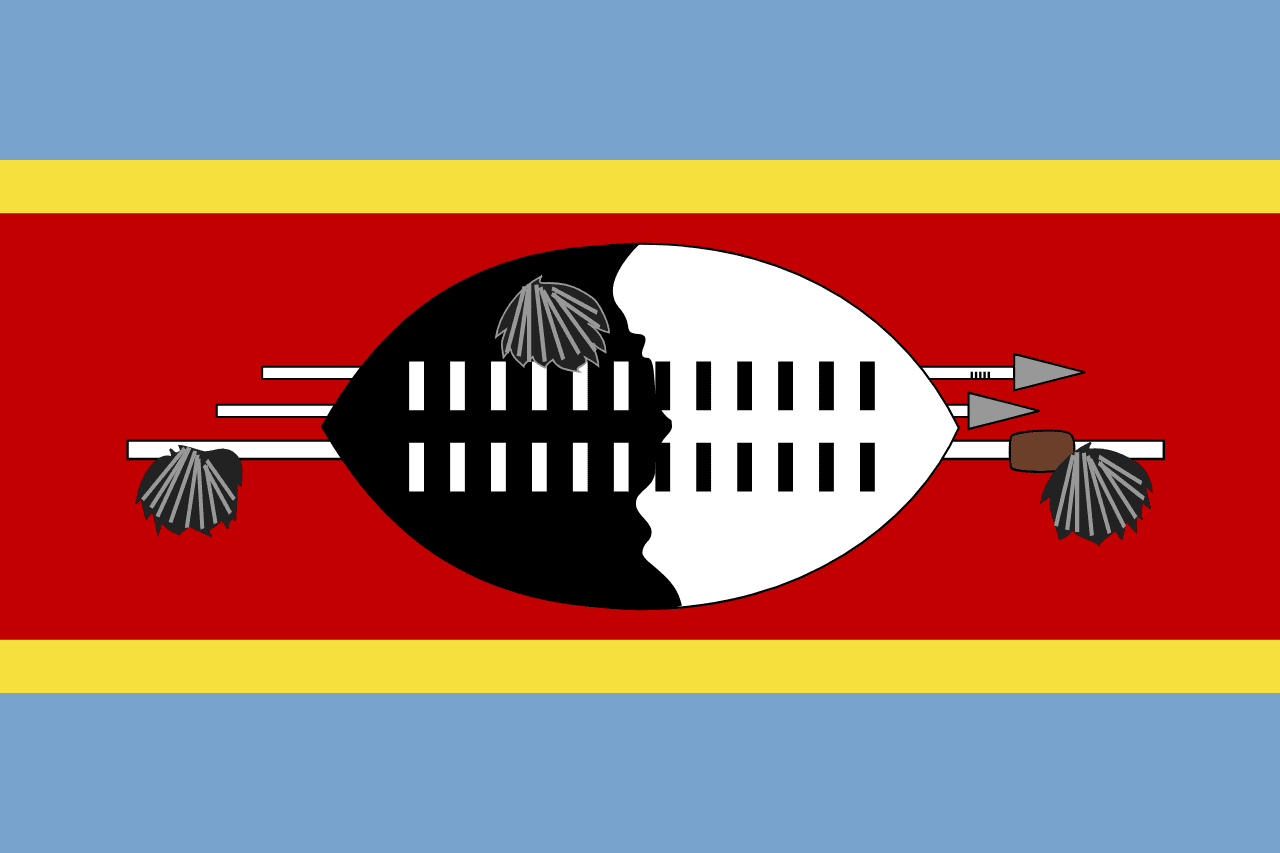
Eswatini: Africa's Last Absolute Monarchy and the Reed Dance
🌐 Translate:
Eswatini — formerly Swaziland, renamed in 2018 — is one of the world's last absolute monarchies and the smallest country in the Southern Hemisphere. King Mswati III rules by decree, political parties are banned, and the traditional Swazi system of governance through the royal family and chiefs runs in parallel with modern state institutions. The country of 1.2 million people maintains this structure while operating within the global economy through its membership in the Southern African Customs Union.
The Umhlanga — the Reed Dance — is an annual ceremony in which tens of thousands of young Swazi women travel from across the country to cut reeds and present them to the Queen Mother, then perform dances before the King and royal family. The ceremony is a celebration of virginity, womanhood, and national identity, and is one of the most spectacular cultural events in Southern Africa. Women come dressed in traditional beaded skirts, with their upper bodies bare, and the scale of the gathering — over 40,000 participants in peak years — is extraordinary.
Eswatini's Sibebe Rock is the world's second largest monolith — a single granite dome rising 350 metres above the surrounding valley, accessible by a steep climb through indigenous bush. The rock is not a tourist attraction in the conventional sense. It is part of the landscape that Swazis consider their own, climbed for the view and for the effort. The landscape of Eswatini — rocky highlands, subtropical lowlands, and river valleys — is beautiful in a way that its small size and limited international profile have kept largely to those who seek it out.