Ethiopia's Coffee Ceremony: The Three-Hour Ritual Behind the World's Favourite Drink
🌐 Translate:
Coffee was born in Ethiopia. The legend — widely told and possibly true — is that a goat herder named Kaldi noticed his goats behaving with unusual energy after eating berries from a particular tree. He brought the berries to a local monastery. A monk brewed them into a drink and found he could stay awake for the long hours of evening prayer. The drink spread from Ethiopia across the Arabian Peninsula and eventually to the entire world.
The global coffee industry owes its existence to this country. Ethiopia's acknowledgement of that debt is the coffee ceremony — an elaborate, three-step ritual that transforms a simple drink into a social institution.
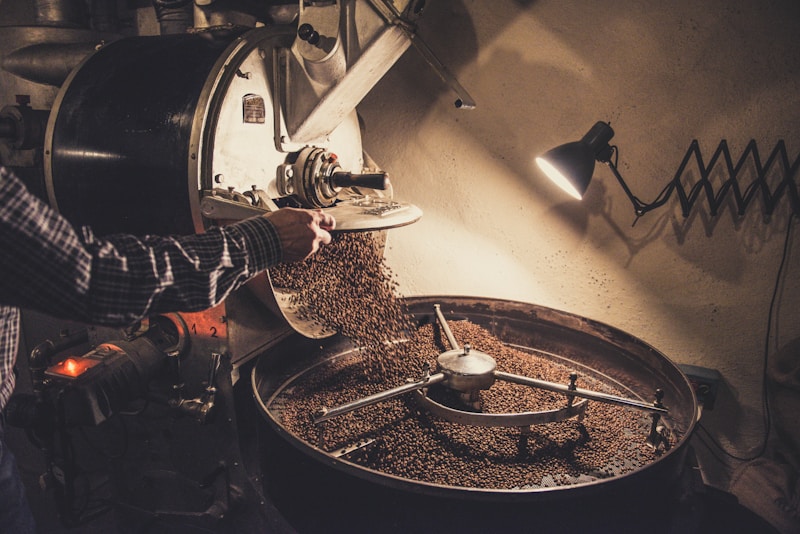
The ceremony begins with raw, green coffee beans. They are washed and then roasted in a pan over hot coals, right in front of the guests. The room fills with smoke and the sharp, sweet smell of freshly roasted coffee. The host shakes the pan continuously to prevent burning, and when the beans are dark enough, they are ground by hand with a mortar and pestle.
The ground coffee goes into a clay pot called a jebena with water, which is placed over the coals. When it boils, it is poured into small cups without handles. Sugar is offered, but never milk. The first round is called abol — the strongest. The second, tona, is slightly weaker as more water is added to the grounds. The third, baraka, means blessing. Each round has a name. Each round is shared and discussed.
The whole ceremony takes two to three hours. In Ethiopia, that is not excessive. It is the point. Coffee is not fuel for productivity. It is a reason to sit still with the people around you and be fully present.
The world sped up and forgot how to do that. Ethiopia never did.