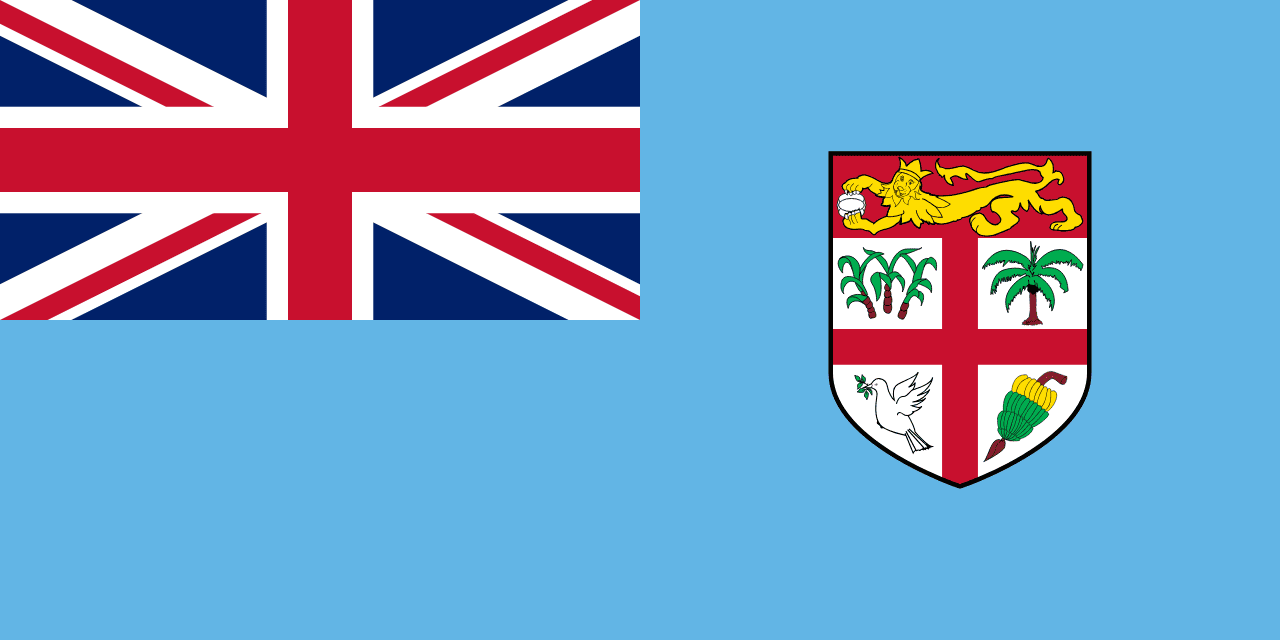
# The History of Fiji: From Ancient Times to Today
Nestled in the heart of the South Pacific Ocean, Fiji is an archipelago of over 300 islands, each rich with vibrant cultures and traditions. The history of this tropical paradise is as diverse as its myriad landscapes, marked by waves of migration, the rise and fall of mighty chieftains, the shadow of colonialism, and the tenacity of its people. As we embark on a journey through Fiji’s past, we uncover tales of resilience, adaptation, and the forging of a national identity that continues to evolve in the modern era.
## Ancient and Indigenous History
Fiji's history begins long before recorded time, with the arrival of the Lapita people around 1000 BCE. These early Polynesian navigators brought with them advanced seafaring techniques and a rich tapestry of cultural practices, including pottery that would later become synonymous with the region. The Lapita are credited with establishing the foundations of Fijian society, their influence giving rise to a complex social structure that included chiefs and commoners.
Over the centuries, waves of settlers from the nearby islands and beyond contributed to the diverse ethnic mosaic of Fiji. By the time the first European explorers made landfall, Fijians had developed a distinct identity, rich in oral traditions and ceremonial practices. The arrival of the first Europeans in the 17th century, notably Dutch explorer Abel Tasman in 1643, marked the beginning of a new chapter in Fijian history. However, it was not until the late 18th century, with the voyages of British explorer Captain James Cook, that Fiji would attract significant attention from the outside world.
Cook's encounters in 1774 ignited European curiosity about the islands. The picturesque landscapes and the welcoming nature of the Fijians contrasted starkly with the reports of cannibalism that circulated among sailors and traders. These accounts fueled a mix of fascination and horror, paving the way for subsequent European contact and eventual colonization.
## The Rise of Kingdoms and Inter-Island Relations
As the 19th century approached, Fiji was transformed into a patchwork of warring chiefdoms. The islands were home to formidable warriors and astute leaders, each vying for power and territory. Notable figures such as Tui Nayau and the powerful Burebasaga confederacy were instrumental in shaping the political landscape of the time. The internal conflicts, although often brutal, gave rise to intricate systems of alliances and trade between the islands.
One of the most remarkable developments of this era was the establishment of the kingdom of Bau. Under the leadership of its chieftain, the formidable Ratu Seru Epenisa Cakobau, Bau emerged as a dominant force in Fijian politics during the mid-19th century. Cakobau was not only a skilled warrior but also a charismatic leader who understood the importance of diplomacy. His efforts to unify the islands under a central authority were met with both admiration and resistance, as rival chiefs sought to protect their own interests.
In 1854, Cakobau famously declared himself the king of Fiji, a move that was both a testament to his ambition and a reflection of the changing dynamics within the islands. This royal proclamation attracted the attention of European powers, particularly as the nascent kingdom sought to establish itself as a legitimate government. However, Cakobau’s reign was not without challenges; rival chiefs continued to resist his rule, and the threat of foreign intervention loomed large.
## The Colonial Period: Encroachment and Influence
The arrival of European missionaries and traders in the early 19th century marked a significant turning point in Fijian history. While the missionaries aimed to convert the indigenous people to Christianity, they inadvertently played a crucial role in the erosion of traditional Fijian customs and governance. The introduction of Christianity also led to significant shifts in social structures, as many Fijians began to embrace the new faith, which often clashed with their ancestral beliefs.
As the 19th century progressed, the British Empire’s interest in the islands intensified. By the 1860s, the settlers began to push for greater control over Fijian lands, leading to increasing tensions between the indigenous population and European settlers. Following a series of conflicts, including the notorious “Bau War,” the British formally annexed Fiji in 1874. This annexation, however, was not without controversy. Cakobau, the self-proclaimed king, ceded Fiji to the British in exchange for financial security and the promise of protection for his people. This act of cession would have long-lasting implications for Fiji's sovereignty and identity.
Under British colonial rule, Fiji underwent dramatic transformations. The introduction of sugar cane plantations led to an influx of labor from India in the late 19th and early 20th centuries. This migration resulted in the formation of a diverse population, blending Fijian, Indian, and European cultures in a way that would shape the nation’s identity. However, the colonial era was not without its challenges, as ethnic tensions began to simmer beneath the surface, often rooted in land disputes and unequal economic opportunities.
## The Path to Independence
As World War II ravaged the globe, Fiji found itself in a unique position. The islands served as a strategic base for Allied forces, leading to increased interaction between Fijians and foreign military personnel. The war prompted many Fijians to question their place within the empire, sowing the seeds of nationalism and a desire for self-determination.
In the post-war years, the push for independence gained momentum. Political parties began to emerge, and Fijian leaders such as Ratu Sir Lala Sukuna and A. D. Patel became instrumental in advocating for the rights of Fijians and Indo-Fijians alike. The 1960s saw a series of constitutional reforms that gradually expanded the electorate and allowed for greater representation of the indigenous population.
Finally, on October 10, 1970, Fiji achieved independence from British colonial rule. The transition was celebrated with exuberance, as the nation sought to forge a new identity while grappling with the complexities of its multicultural society. Ratu Sir Kamisese Mara became Fiji’s first Prime Minister, symbolizing a new era of self-governance and national pride.
## Modern Fiji: A Tapestry of Cultures
The years following independence were marked by both progress and turmoil. The challenges of managing a diverse population became increasingly apparent, with ethnic tensions bubbling to the surface. In 1987, Fiji witnessed its first coup, led by Lieutenant Colonel Sitiveni Rabuka, which was fueled by fears among the indigenous Fijians of losing political power to the growing Indo-Fijian population. This coup was followed by another in the same year, leading to a period of instability and political unrest.
Subsequent years saw continued challenges, including debates over land rights, governance, and national identity. In 1997, a new constitution was introduced, promoting a more inclusive political landscape and providing for greater representation of all ethnic groups. However, the specter of coups and political strife returned in 2000 when another coup led to the ousting of the elected government. The subsequent years were characterized by a struggle for reconciliation and nation-building.
Today, Fiji stands as a vibrant democracy, its people resilient in the face of political upheaval. The nation’s rich tapestry of cultures is celebrated through festivals, art, and music, drawing both locals and visitors into its embrace. Tourism has become a cornerstone of the economy, showcasing Fiji's breathtaking natural beauty and warm hospitality. The Fijian government has made strides in promoting sustainable development, balancing economic growth with the preservation of its unique ecosystems.
As Fiji navigates the challenges of a globalized world, it remains deeply rooted in its traditions. The spirit of community and the belief in the power of family continue to define the Fijian way of life. From the ancient rituals of the ancestors to contemporary expressions of identity, the story of Fiji is one of resilience, adaptation, and hope.
## Conclusion
The history of Fiji is a remarkable tale of transformation and continuity. From its ancient beginnings to the complexities of modern nationhood, Fiji's journey is shaped by the interplay of cultures, the resilience of its people, and the enduring power of community. As the nation moves forward, it carries with it the lessons of its past, a testament to the strength and spirit of the Fijian people. In this beautiful archipelago, history is not merely a collection of dates and events; it is a living narrative that continues to unfold, inviting all who visit to become part of its ongoing story.