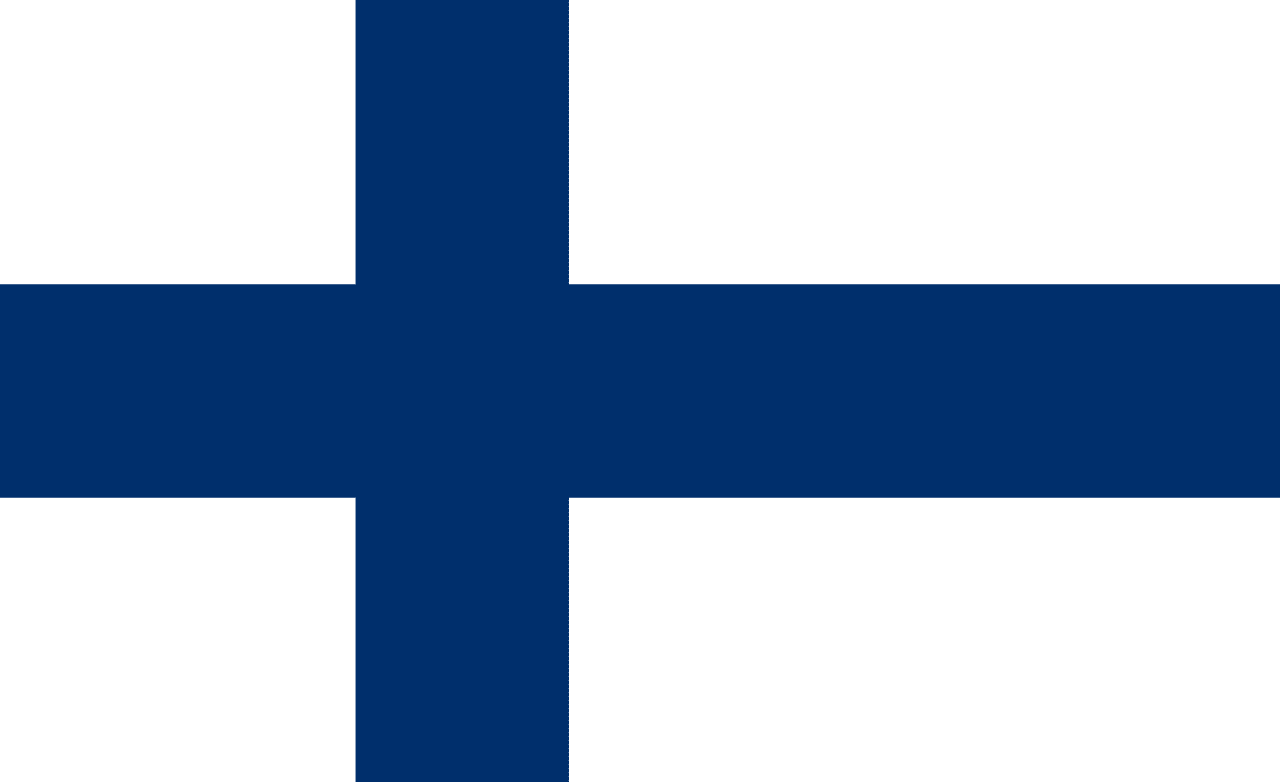
The History of Finland: From Ancient Times to Today
🌐 Translate:
# The History of Finland: From Ancient Times to Today
Finland, a land of pristine forests, shimmering lakes, and a rich cultural tapestry, has a history as intricate and varied as its breathtaking landscapes. From its ancient peoples to its modern-day status as a global leader in education and innovation, the story of Finland is one of resilience, adaptation, and a unique blend of influences. Join me as we traverse through the epochs of Finnish history, unveiling the key eras and figures that have shaped this remarkable nation.
## Ancient and Indigenous History: The Dawn of Time
The history of Finland begins long before the first written records. Archaeological evidence shows that the region has been inhabited since the end of the last Ice Age, around 8500 B.C. The early inhabitants, known as the Finns, were hunter-gatherers who roamed the forests and tundras, living in harmony with nature. They utilized stone tools, and as time progressed, they began practicing agriculture, leading to the establishment of more permanent settlements.
By the Iron Age, around 500 B.C., the Finns had developed a distinct culture characterized by their unique language and customs. The ancient Finns spoke a language belonging to the Finno-Ugric group, making it a close relative of Estonian and Hungarian. The practice of shamanism held a significant place in their beliefs, with the natural world revered as filled with spirits.
The Saami, another indigenous group that inhabited the northern regions, thrived in an environment that demanded adaptation. These semi-nomadic people followed reindeer herds, and their traditions and languages are still preserved today, reflecting a deep connection to the land.
## The Age of Empires: Finland in the Grip of Great Powers
As the centuries rolled on, Finland found itself caught in a geopolitical tug-of-war between powerful neighbors. In the 12th century, the Swedish Empire started to expand its influence over the region, marking the beginning of a long and tumultuous relationship. The Swedes sought to convert the indigenous Finns to Christianity, often using force to establish their authority. By the end of the 13th century, Finland was largely incorporated into the Kingdom of Sweden.
During this period, the Finnish territories became a frontier for various military campaigns, including during the conflicts between Sweden and Russia. The influence of Sweden was profound; the Swedish language took root, and many Finnish towns were established, laying the groundwork for urbanization. The impacts of this era are still felt today, as Finland retains elements of Swedish culture and governance.
The 18th century brought about the Great Northern War, a conflict that allowed Russia to gain significant power in the Baltic region. Following Sweden's defeat, Finland became a battleground between the two empires, culminating in the War of Finland from 1808 to 1809. After this war, the Treaty of Fredrikshamn ceded Finland to Russia, and it was elevated to the status of the Grand Duchy of Finland, which allowed some level of autonomy under Russian rule.
## The Path to Independence: A National Awakening
The 19th century was a time of profound cultural awakening for Finland. This era saw the rise of Finnish nationalism, spurred by the Romantic movement and a burgeoning sense of identity. Key figures such as Johan Ludwig Runeberg, the national poet, and Elias Lönnrot, who compiled the "Kalevala," played pivotal roles in rekindling interest in Finnish folklore and language. The "Kalevala," published in 1835, not only solidified the Finnish language but also became a symbol of national pride.
As tensions grew within the Russian Empire, the Finnish desire for greater autonomy intensified. The 1900s saw a series of strikes and movements advocating for civil rights. The Russian Revolution of 1917 provided the perfect storm for Finland's aspirations. In the wake of the upheaval, Finland declared independence on December 6, 1917. The declaration was met with mixed reactions; while many celebrated, others feared the rise of communism.
The young nation faced immediate challenges, leading to a brief civil war in 1918 between the "Reds" (socialists) and "Whites" (conservatives). The conflict ended with a victory for the Whites, but it left deep societal scars that lingered in Finnish consciousness.
## Modern Formation: Building a Nation
In the interwar years, Finland focused on establishing its identity and building a stable government. The 1920s and 1930s were characterized by economic struggles, which were exacerbated by the global Great Depression. Nevertheless, the Finnish government implemented policies aimed at social welfare and education, laying the groundwork for what would become one of the world's most admired education systems.
The specter of World War II cast a long shadow over Finland. In 1939, the Soviet Union invaded Finland in what is now known as the Winter War. Against all odds, Finnish forces mounted a fierce resistance, utilizing their knowledge of the terrain and guerilla tactics. Although Finland ultimately ceded territory to the Soviets in the 1940 Moscow Peace Treaty, the war fostered a sense of unity and pride among Finns, marking them as resilient in the face of adversity.
The Continuation War followed in 1941 when Finland allied with Nazi Germany in an attempt to reclaim lost territories. By the conclusion of World War II, Finland was forced to sign the Paris Peace Treaty in 1947, ceding further land and paying reparations to the Soviets. Yet, the post-war period marked the beginning of a new era, as Finland embarked on a path of neutrality and reconstruction.
## Finland Today: A Beacon of Innovation and Progress
Today, Finland stands as a testament to resilience and adaptability. It has transformed from a war-ravaged nation into a beacon of innovation and social welfare. The country's commitment to education is globally recognized, with a system that emphasizes creativity, critical thinking, and the well-being of students. Finnish students enjoy shorter school days, less homework, and a greater emphasis on play, all contributing to high academic performance.
Finland is also renowned for its commitment to social welfare, healthcare, and environmental sustainability. The Finnish model, often cited as one of the best in the world, focuses on equality and inclusiveness, ensuring that all citizens have access to essential services. The Nordic welfare model is celebrated for reducing poverty and promoting social cohesion, serving as a benchmark for other nations.
In recent years, Finland has embraced technology and innovation, becoming one of the leading countries in digitalization and technological advancements. The capital, Helsinki, has emerged as a vibrant hub for start-ups, attracting global talent and investment. Finnish companies are at the forefront of developing sustainable solutions, especially in the fields of clean energy and information technology.
Culturally, Finland has made a significant mark on the world stage. The Finnish sauna is a beloved tradition, and the country is known for its distinctive design aesthetic, exemplified by the likes of Alvar Aalto and Eero Saarinen. In literature, contemporary authors like Sofi Oksanen and Jussi Adler-Olsen continue to garner international acclaim, reflecting the diverse and evolving nature of Finnish storytelling.
## Conclusion: A Tapestry of Resilience
The history of Finland is not merely a sequence of events; it is a narrative woven with resilience, culture, and identity. From its ancient roots to its modern-day accomplishments, Finland's journey is a testament to the power of unity and the human spirit. As we look ahead, Finland stands poised to continue its legacy as a leader in innovation, sustainability, and education, all while remaining deeply connected to its rich historical tapestry. As the country celebrates its centennial of independence in 2017 and beyond, it remains committed to building a future that honors its past while embracing the challenges and opportunities of a rapidly changing world.