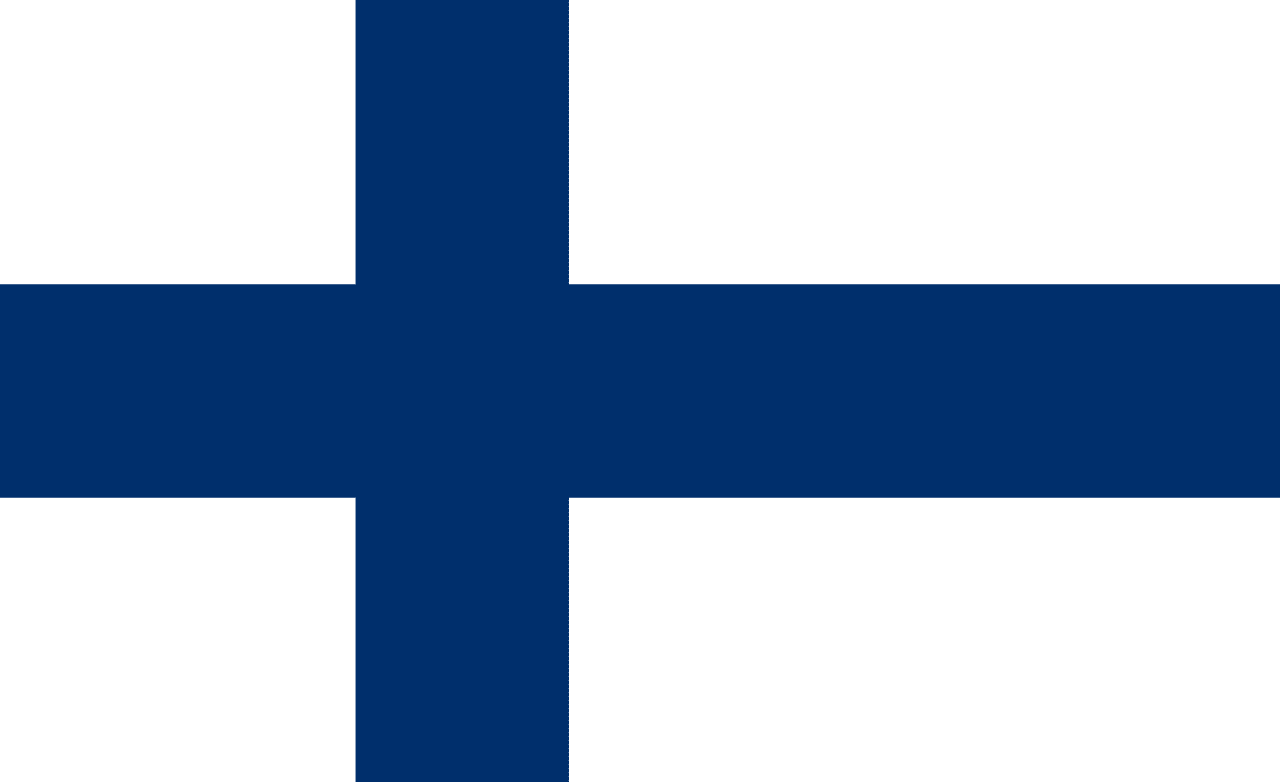
What It's Really Like to Live in Finland
As someone who has been privileged to call Finland my home for several years, it’s time to peel back the layers of the everyday life here. This beautiful Nordic country is known for its stunning landscapes, innovative education system, and a society that often ranks high on happiness scales. But what is it really like to live in Finland, beyond the picturesque views and the gentle auroras? Let’s dive into the everyday realities, the nuanced culture, and the unique experiences that characterize life in this enchanting part of the world.
Daily life in Finland unfolds with a rhythm that feels both calm and invigorating. The mornings often begin with the soft light of dawn breaking through the curtains, a gentle reminder of the long days of summer or the soft glow of winter. Finns are creatures of habit, and the typical day starts with coffee—lots of it. In fact, Finland boasts the highest coffee consumption per capita in the world, and it’s no wonder. A visit to any local café will reveal people sipping their ‘kahvi’ while reading newspapers or discussing the latest happenings.
While I initially struggled to adjust to the Finnish breakfast, which often consists of rye bread topped with cheese, cold cuts, or even fish, I soon learned to appreciate its simplicity and healthiness. You might also enjoy a bowl of porridge with berry jam, a staple that fuels many for the day ahead.
The cost of living in Finland can be a bit of a shock, especially for newcomers. While salaries are relatively high, so are prices. A cup of coffee can set you back around 3 to 4 euros, and a grocery bill for one person can easily reach 300 euros a month. However, the trade-off is quality. Finnish supermarkets are filled with fresh, locally sourced produce, and you’ll often find organic options readily available. Fresh fish, mushrooms collected from the forests, and berries picked from the wild are just a few of the delights that make up the Finnish diet.
Speaking of food culture, Finland takes pride in its seasonal ingredients. The concept of ‘sustainable eating’ is deeply ingrained in Finnish society; for instance, restaurants often feature dishes made from ingredients that are currently in season. Ruisleipä, or rye bread, is a staple you’ll find at every meal. And let’s not forget about the berry-picking season in summer—everyone gets involved, from kids to grandparents, filling their buckets with blueberries and lingonberries which later find their way into jams and pies.
Social customs in Finland can initially come off as somewhat reserved. When you meet a Finn, you’ll notice they tend to value personal space and quietude. Finns are not known for small talk, so conversations can feel a bit stilted at first. However, once you break the ice, you’ll discover a warmth underneath. It’s common for Finns to express their opinions frankly; they appreciate honesty, which can sometimes come across as bluntness to those from more conversational cultures.
Family life in Finland is centered around a strong sense of community. Family outings are frequent, with parents often taking their children outdoors to explore the vast nature that surrounds them. You’ll see families hiking in national parks or enjoying lakeside picnics during the short summer months. Children are encouraged to play outside, regardless of the weather, which fosters resilience and independence from a young age.
In terms of work culture, Finland has a unique approach. The work-life balance is a valued principle, and the average workweek is around 40 hours. Finns are known for their punctuality. If a meeting is set for 10 AM, you can expect everyone to arrive on the dot, not a minute earlier or later. There’s a strong emphasis on efficiency during work hours, allowing for a more relaxed approach to after-work life. Flexible working hours and remote work options are common, which many companies embraced even before the pandemic.
Weekends in Finland are often a mix of relaxation and outdoor activities. The summer months invite everyone to the lakes, where you can find Finns enjoying barbeques, swimming, and saunas. Saunas are a central part of Finnish culture, and they are usually an integral part of any weekend getaway. In winter, weekends may involve skiing in the surrounding areas or simply enjoying a cup of mulled wine at a Christmas market. Additionally, many Finns have summer cottages or ‘mökki’ where they escape the bustle of city life, making the most of the natural landscapes.
Weather undoubtedly shapes life in Finland. Winters can be long, dark, and bitterly cold, with temperatures plunging to -30 degrees Celsius (-22°F) in some regions. However, this is balanced by the breathtaking beauty of snow-covered landscapes and the enchanting sight of the Northern Lights. The winter months foster a unique camaraderie; you’ll find locals embracing the cold by skiing, ice skating, or simply enjoying a hot drink by the fire.
As spring approaches, the Finns celebrate ‘Vappu’—a lively festival marking the arrival of warmer weather, complete with picnics and plenty of balloons. Summer, on the other hand, is vibrant and long, characterized by festivals, outdoor activities, and the famous ‘juhannus’ (Midsummer), where many head to the countryside to celebrate the longest day of the year.
Living in Finland comes with its own set of challenges. The high cost of living can be daunting, especially for newcomers who might not be used to such prices. Additionally, the language barrier can be a hurdle. Finnish is notoriously difficult to learn, with its complex grammar and vocabulary. However, many locals speak English fluently, and you can get by without mastering the language, though picking up a few basic phrases—such as “kiitos” (thank you) or “moi” (hello)—is appreciated.
On the flip side, there are numerous positives to living in Finland. The education system is one of the best in the world, and Finnish schools prioritize creativity and critical thinking over rote memorization. Healthcare is universal and of high quality, a source of pride for Finns. The safety and low crime rates make it a comforting place to live, especially for families.
One of the most surprising aspects for foreigners is the Finnish concept of ‘sisu,’ which embodies determination, resilience, and grit. It’s a cultural ethos that reflects how Finns face challenges, whether it’s enduring the harsh winters or overcoming personal difficulties. This spirit is deeply woven into the fabric of Finnish life and serves as a reminder of the strength and fortitude of the people.
Another delightful surprise is the social phenomenon known as ‘cabin fever’ or ‘kalsarikännit,’ a term that roughly translates to “pantsdrunk”—the act of drinking at home alone in your underwear. It’s a light-hearted reflection of how Finns value their privacy and comfort, often finding joy in solitude.
As I reflect on my life here in Finland, I realize that it’s a country of contrasts. It’s a place where nature and modernity coexist harmoniously, where the dark and cold of winter is honored and celebrated just as much as the joy and vibrancy of summer. The Finns have taught me the value of tranquility, the beauty of simplicity, and the importance of community. Living in Finland has been an enriching experience, filled with lessons, laughter, and a profound appreciation for the world around me.
In conclusion, life in Finland is a captivating blend of nature, culture, and community—an experience that leaves a lasting impression. Whether it’s the stunning landscapes, the warmth of the people, or the quiet moments spent enjoying a cup of coffee in a cozy café, the essence of everyday life in Finland is something truly special. While it may take time to settle in and adjust to the customs and lifestyle, the journey is undoubtedly worth it. So, if you ever find yourself wandering through the pristine forests or sipping coffee in a quaint town, know that you are experiencing the true heart of Finland.