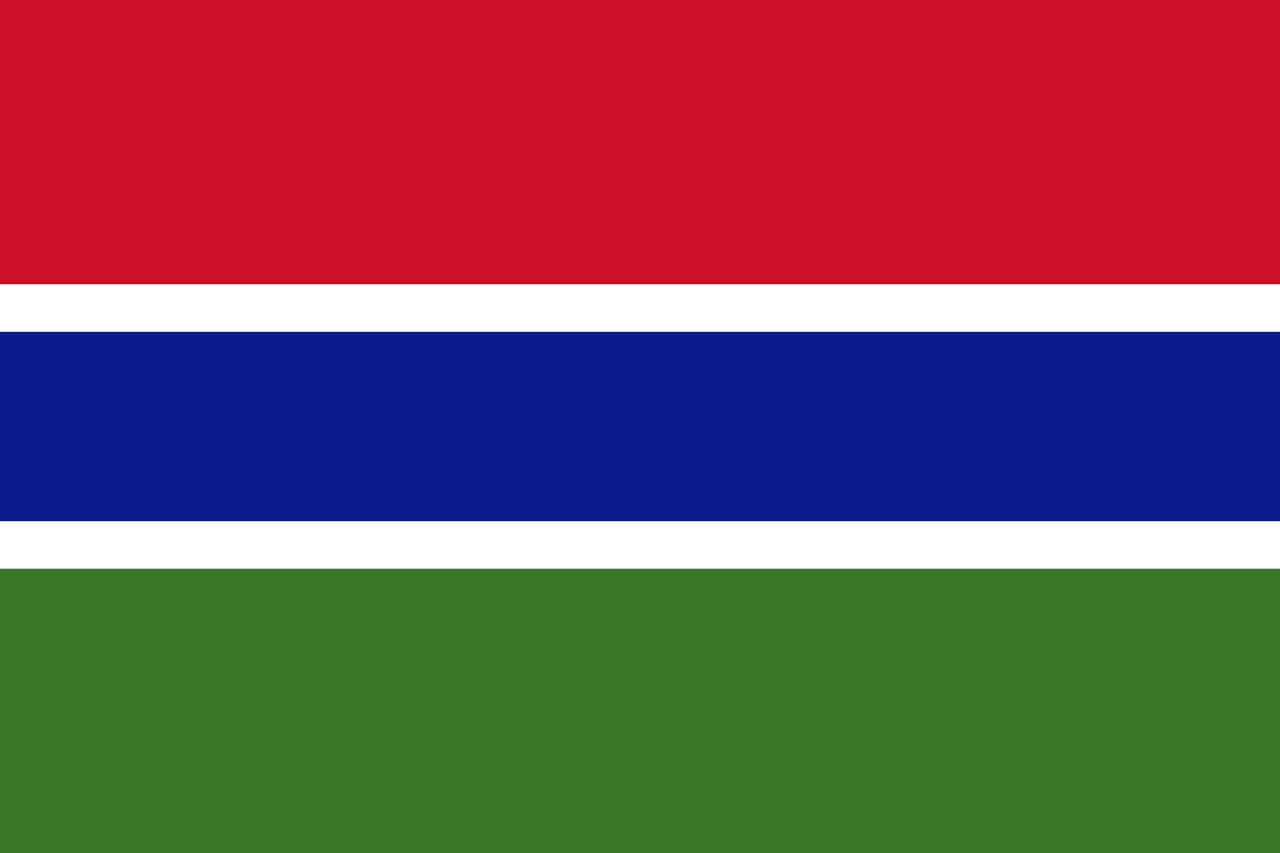
The History of Gambia: From Ancient Times to Today
🌐 Translate:
# The History of Gambia: From Ancient Times to Today
Nestled along the banks of the Gambia River, the small but vibrant country of Gambia has a rich tapestry of history woven through centuries of cultural evolution, trade, and resilience. The story of Gambia is not just one of geographical boundaries, but a narrative that encapsulates the lives of the Mandinka, Fula, Wolof, and various other ethnic groups that have called this land home. From its ancient civilizations to its colonial struggles and modern-day challenges, the history of Gambia is a testament to the endurance and spirit of its people.
## Ancient and Indigenous History
Long before the first Europeans set foot on the African continent, Gambia was inhabited by various indigenous peoples who thrived along the fertile banks of the Gambia River. The river itself has been a vital artery for trade and sustenance, shaping the livelihoods of the communities that settled there. Archaeological findings suggest that as early as 3000 BC, hunter-gatherer societies roamed the region, gradually evolving into more complex societies.
By the 11th century, the Gambia River basin became a melting pot of cultures and trade routes. The Mandinka people, one of the most prominent ethnic groups, began to assert their influence, establishing settlements and engaging in trade with neighboring regions. The Banjul Archipelago, which would later become the capital city of Banjul, served as a crucial waypoint for traders navigating the river. This period saw the rise of indigenous kingdoms, where communal living and agriculture flourished.
## The Mali Empire and the Rise of Trade
As Gambia entered the medieval era, it became part of the larger narrative of West African history, particularly through its connections to the Mali Empire. In the 13th century, the Mali Empire, one of the greatest empires in African history, rose to prominence, reaching its zenith under the rule of Mansa Musa in the 14th century. The empire’s influence extended to the lands that would become present-day Gambia, where trade routes flourished, linking the region to North Africa and beyond.
The Gambia River served as a conduit for the exchange of gold, ivory, and slaves, and the Mandinka, who were often traders and farmers, played a vital role in this burgeoning economy. This period was marked by cultural exchange, with Islam spreading among the local populations, profoundly influencing their social structures, educational practices, and governance. The introduction of Islam brought about new forms of leadership, as local kings, or “Alfas,” began to embrace Islamic principles, reshaping the social landscape of the region.
## The Rise of the Jolof Empire
By the 15th century, the rise of the Jolof Empire, which encompassed parts of modern-day Senegal and Gambia, marked another significant chapter in the region's history. The Jolof Empire was characterized by a sophisticated political system and rich cultural heritage, with vibrant trade networks extending beyond the borders of West Africa. The empire's influence reached Gambia, where the Wolof people thrived, establishing their own kingdoms and trade practices.
However, the dynamics of power began to shift as European traders and explorers sought to capitalize on the lucrative trade routes. The Portuguese were among the first Europeans to arrive in West Africa, initially establishing trade relations and later engaging in the transatlantic slave trade. This shift in focus would have profound implications for the region, heralding a new era marked by conflict, displacement, and exploitation.
## The Colonial Period: The Quest for Control
The advent of European colonialism had a significant impact on Gambia’s trajectory. In the 16th century, the Portuguese made early attempts at establishing trade, but it was the British who would ultimately assert control over the region. In 1588, English traders began exploring the Gambia River, seeking to establish a foothold for trade and commerce. By the late 19th century, Gambia was formally declared a British colony.
The British colonial administration profoundly disrupted existing social structures and trade patterns. The imposition of foreign rule led to the exploitation of resources and the introduction of cash crops, which altered traditional agricultural practices. Furthermore, the infamous transatlantic slave trade reached its peak during this period, with many Gambians being forcibly taken from their homes and transported to the Americas. This brutal chapter in Gambia's history left deep scars, with entire communities disrupted and families torn apart.
## Road to Independence: A Struggle for Identity
In the early 20th century, as the winds of change began to sweep across Africa, Gambia’s path toward independence was paved with political awakening and national consciousness. The rise of educated elites and political leaders sparked a desire for self-determination. One of the pivotal figures in this movement was Sir Dawda Kairaba Jawara, who emerged as a prominent leader advocating for Gambian interests.
The push for independence gained momentum after World War II, as many African nations began to break free from colonial rule. In 1961, Gambia achieved self-governing status, and by February 18, 1965, it became a fully independent nation. Sir Dawda Jawara became Gambia's first prime minister and later its president. His leadership marked a period of relative stability and progress, as Gambia sought to define its identity in a post-colonial context.
## The Gambia Today: A Tapestry of Diversity
In the decades following independence, Gambia faced its share of challenges, including political instability and economic difficulties. Nevertheless, the resilience of its people shone through. The country is known for its cultural diversity, with various ethnic groups coexisting harmoniously, each contributing to the rich tapestry of Gambian identity. Music, dance, and storytelling are integral parts of Gambian culture, reflecting the traditions and values of its people.
Gambia's political landscape saw dramatic shifts in the late 1990s and early 2000s when Yahya Jammeh seized power in a military coup in 1994. His regime was marked by authoritarian rule, human rights abuses, and economic decline. However, in the spirit of democracy, Gambians united to challenge his leadership, culminating in a historic election in 2016, which resulted in his defeat. Adama Barrow, a coalition candidate, won the presidency, ushering in a new era of hope and democratic governance.
Today, Gambia stands at a crossroads, celebrating its rich cultural heritage while grappling with the challenges of governance, development, and social cohesion. The Gambia River remains a lifeline, a symbol of the nation’s history and resilience, as it flows through the heart of the country, connecting people and communities.
## Conclusion: A Story in Progress
The history of Gambia is not just a chronicle of events but a narrative of the human spirit—of resilience, adaptation, and growth. From ancient civilizations to the colonial era and the struggle for independence, each chapter has shaped the Gambian identity. Today, as the nation forges ahead, it carries with it the lessons of its past, the voices of its people, and the promise of a brighter future.
As Gambia continues to navigate the complexities of modern governance and development, it is essential to celebrate its rich history and cultural diversity. Gambia is a nation that has withstood the tests of time, and its story is far from over. Like the Gambia River that nourishes its land, the spirit of its people will continue to flow, guiding the nation toward a hopeful tomorrow.