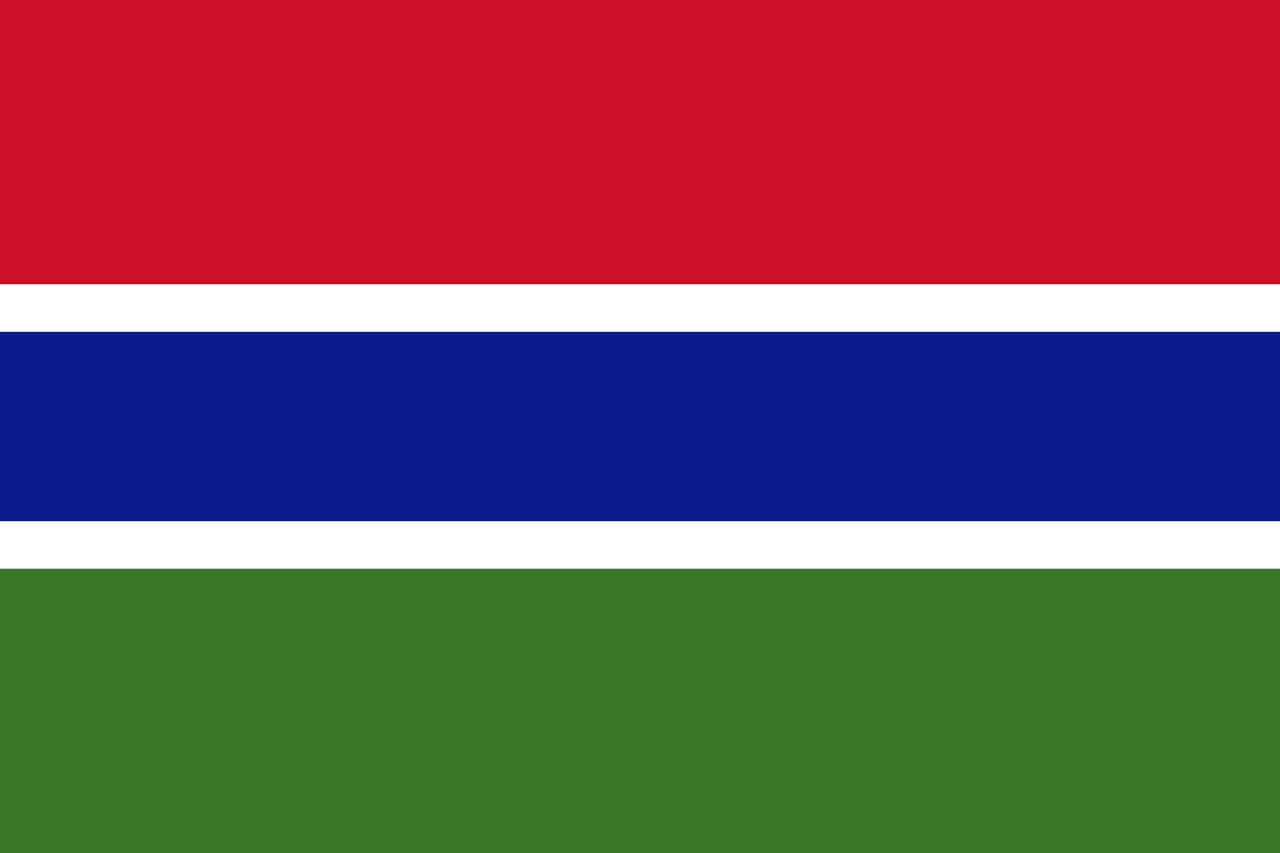
What It’s Really Like to Live in Gambia
Living in Gambia is like being enveloped in a rich tapestry of culture, warmth, and vibrancy that is hard to find elsewhere. Nestled along the banks of the Gambia River, this small West African country offers a unique blend of natural beauty, traditional customs, and the hustle and bustle of everyday life. My experience living here has opened my eyes to a world where community, family, and resilience play essential roles.
When you wake up in Gambia, the first thing you’ll notice is the chorus of sounds that envelop you. From the crowing of roosters to the rhythmic calls of women selling fresh produce at the local market, the day starts early. Most people rise with the sun, around 6 a.m. By this time, the air is already warm, hinting at the scorching heat to come. You might hear someone shouting “Sey, sey, sey!” – a common greeting meaning "Good morning!" – as neighbors begin their daily routines.
Daily life in Gambia is an intricate dance of tradition and modernity. The pace is generally slower than in many Western countries, allowing for a more relaxed way of living. People often walk or bike to work, and if you’re lucky, you might catch a ride on one of the colorful “bush taxis” that ply the main roads. These taxis are usually old station wagons packed to the brim, and the fare is incredibly affordable—around 10 to 15 dalasi (approximately $0.20 to $0.30).
The cost of living in Gambia is relatively low compared to Western standards, which makes it an attractive destination for those looking to experience life abroad without breaking the bank. A decent meal at a local eatery, known as a “bistro,” can set you back around 100 dalasi (just over $2). If you prefer to cook at home, basic items such as rice, which is a staple food, cost about 15 dalasi per kilogram (around $0.30). Fresh vegetables like tomatoes and onions are also available in abundance, with prices fluctuating seasonally.
One of the most endearing aspects of Gambian life is its food culture. Meals are often communal, emphasizing the importance of sharing and togetherness. Traditional dishes like benachin (jollof rice with fish or chicken) and domoda (groundnut stew) are prepared with love and often enjoyed with family or friends. You may find yourself invited to a neighbor’s home to share a meal, creating bonds that go beyond mere acquaintanceship. The hospitality here is unmatched, and it’s not uncommon for someone to say “Come and eat!” without hesitation.
The way food is consumed also reflects the local customs. Eating with the right hand is considered proper etiquette, as the left hand is reserved for personal hygiene. This habit may take some getting used to if you’re accustomed to using utensils. Locals often gather around a large shared plate, using their hands to scoop up the delicious food. If you’re ever struggling with the technique, you might hear a friendly reminder, “No worry! Just enjoy!”
Family life is the backbone of Gambian society. Extended families often live together or in close proximity, fostering a strong sense of community. Children are revered and cared for by all members of the family, and it’s common to hear the playful laughter of kids playing soccer in the streets or jumping rope. Traditional gender roles are still prevalent, with women often tasked with household chores, while men are typically the breadwinners. However, this is gradually changing as more women are entering the workforce, contributing to the family income.
Work culture in Gambia typically revolves around sectors like agriculture, trade, and tourism. Many people engage in small businesses, which can be anything from selling handmade crafts to running a local shop. The workday usually begins around 8 a.m. and finishes by 5 p.m., but it’s not unusual for people to take breaks for meals or afternoon prayers. The concept of “work-life balance” takes on a different meaning here, as relationships and social interactions often take precedence over strict professionalism.
When the weekend rolls around, things in Gambia shift into a more relaxed mode. Fridays are particularly special, as many people attend prayers at mosques, often followed by family gatherings. Saturdays are marked by trips to the local markets, where vendors showcase everything from fresh produce to handmade goods. It’s a vibrant scene filled with chatter and bartering, and you’ll often hear phrases like “Na wetin you want?” (What do you want?) as vendors entice you with their goods.
Sundays are usually reserved for relaxation, socializing, and enjoying the great outdoors. It’s not uncommon to see families picnicking by the river or enjoying a beach day at the Atlantic coast. The beaches in Gambia, particularly in places like Senegambia and Bakau, are stunning, with powdery white sand and inviting waves. Locals often play football or engage in lively conversations while sipping on fresh coconut water or homemade juices.
The weather in Gambia is a significant factor that shapes life here. The country has a tropical climate, characterized by a dry season from November to May and a rainy season from June to October. During the dry season, temperatures can soar above 30°C (86°F), making it essential to stay hydrated and seek shade during peak hours. The cooler evenings, however, often invite gatherings around fire pits, where stories are shared, and laughter fills the air.
Living in Gambia does present its challenges, but these are often accompanied by unique experiences that highlight the resilience of its people. Access to healthcare can be limited, especially in rural areas, and while there are public hospitals, many families prefer private clinics for better services. The education system is also developing, with increased efforts to provide quality learning opportunities for children.
Infrastructure can be another hurdle—roads in certain areas are often in poor condition, and public transport can be unreliable. Yet, the beauty of Gambia lies in its ability to adapt. Locals have mastered the art of navigating life’s challenges with grace and ingenuity. From community-organized events to innovative small-scale farming practices, the spirit of perseverance shines through in daily life.
One of the most surprising aspects for foreigners is how welcoming and open the Gambian people are. There’s an intrinsic warmth that permeates interactions, and you’ll often find strangers engaging you in conversation. “Where are you from?” and “How do you find Gambia?” are common questions, accompanied by friendly smiles. It’s a fresh reminder of the shared humanity that transcends borders.
In conclusion, living in Gambia is a rich and multifaceted experience that invites you to slow down and appreciate the simple joys of life. The blend of tradition and modernity, coupled with the warmth of the community, creates an environment that feels both unique and familiar. From the flavors of the local cuisine to the laughter of children playing in the streets, Gambia is a place that leaves an indelible mark on your heart. You learn to find beauty in the everyday, resilience in the face of challenges, and joy in the connections that form the fabric of life here. Whether you’re exploring the vibrant markets or simply sharing a meal with friends, you quickly realize that in Gambia, life is not just lived; it is celebrated.