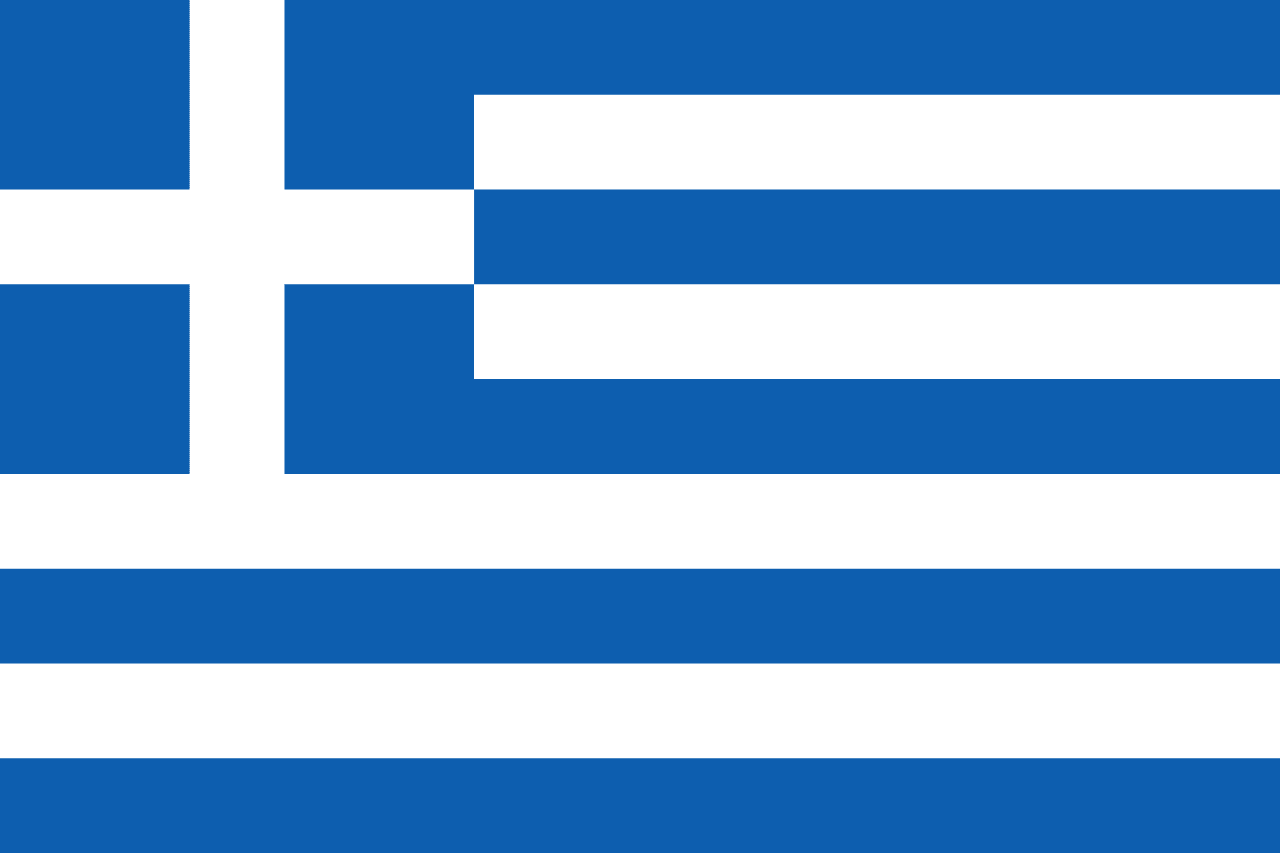
The History of Greece: From Ancient Times to Today
🌐 Translate:
# The History of Greece: From Ancient Times to Today
Nestled in the southeastern corner of Europe, Greece stands as a bridge between ancient civilizations and modern society, a tapestry woven with threads of myth, philosophy, conquest, and resilience. Its history is a narrative that spans thousands of years, filled with remarkable achievements and profound lessons. To delve into the annals of Greek history is to embark on a journey through time, where each era offers a unique glimpse into the soul of a nation that has profoundly influenced the world.
## Ancient and Indigenous History: The Dawn of Civilization
The story of Greece begins in the Neolithic Age, around 6000 BCE, when early agrarian communities began to settle in the fertile plains and coastal areas. The Aegean Sea, dotted with islands like Crete and Thera, became a cradle for burgeoning cultures. By 3000 BCE, the Minoans, named after the legendary King Minos, established a sophisticated civilization on Crete. They developed advanced architecture, art, and a system of writing known as Linear A, although much of it remains undeciphered.
The Minoans were eventually overshadowed by the Mycenaean civilization, which flourished from about 1600 to 1100 BCE on the Greek mainland. The Mycenaeans are often celebrated for their monumental architecture and their role in the early formation of Greek language and mythology. Sites like Mycenae and Tiryns exhibited grand palaces and impressive defensive walls, which hinted at a complex societal structure that emphasized power and trade. The Mycenaean era also birthed epic tales, with Homer’s "Iliad" and "Odyssey" immortalizing the exploits of heroes such as Achilles and Odysseus.
However, the Mycenaean civilization crumbled around 1100 BCE, leading to what is known as the Greek Dark Ages. This period, characterized by a loss of literacy and cultural stagnation, faded into the shadows of time before giving rise to the Archaic period around 800 BCE.
## The Classical Era: Birthplace of Democracy and Philosophy
The Archaic period marks the dawn of city-states or "poleis," the most famous being Athens and Sparta. These city-states fostered a spirit of competition and innovation, laying the groundwork for what would become known as the Classical era (5th to 4th centuries BCE). It was during this time that democracy blossomed, particularly in Athens, where leaders like Cleisthenes and Pericles reformed political structures to allow ordinary citizens a voice in governance. The concept of democracy—meaning "rule by the people"—emerged as a radical idea that would ripple through history.
This era was not only about governance but also about the flourishing of arts and philosophy. Thinkers like Socrates, Plato, and Aristotle emerged, questioning the nature of existence, ethics, and politics. Their teachings laid the foundations for Western philosophy and science. Amidst this intellectual fervor, the theater flourished, with playwrights like Aeschylus, Sophocles, and Euripides crafting tragedies that explored human nature and morality.
Yet, the Classical period was not without conflict. The Persian Wars (499-449 BCE) saw the united Greek city-states, including the famed Battle of Marathon and the naval triumph at Salamis, repel the invading Persian Empire. This unity was fleeting, however, as rivalries quickly reignited, leading to the Peloponnesian War (431-404 BCE) between Athens and Sparta. The aftermath of this protracted conflict weakened the Greek city-states, paving the way for external threats.
## The Macedonian Empire and Hellenistic Era
In the 4th century BCE, Macedonia, under the ambitious king Philip II and later his son Alexander the Great, transformed the Greek landscape. Philip united most of the Greek city-states through both diplomacy and conquest, establishing the first significant Macedonian Empire. However, it was Alexander’s conquests that would leave an indelible mark on history.
Alexander, often called "the Great," embarked on an unprecedented campaign, stretching from Greece to Egypt and deep into the heart of Persia and beyond to India. His conquests not only spread Greek culture but also initiated the Hellenistic era (323-30 BCE), a period characterized by a fusion of Greek and Eastern cultures. Cities like Alexandria in Egypt became melting pots of knowledge, art, and commerce, with the famous Library of Alexandria standing as a testament to human curiosity and scholarship.
Despite his early death at the age of 32, Alexander's legacy endured. His empire fractured into several Hellenistic kingdoms, where the influence of Greek culture, language, and ideas continued to flourish until the rise of Rome.
## Roman Rule and Byzantine Legacy
By the 2nd century BCE, Greece had succumbed to Roman domination. The Romans admired Greek culture, adopting and adapting various elements, from art to philosophy. Greece became a vital province within the Roman Empire, contributing to its wealth and cultural richness. Cities like Athens and Corinth retained their significance as centers of education and philosophy.
As the Roman Empire divided in the late 4th century CE, Greece found itself absorbed into the Byzantine Empire, where it retained its Greek heritage despite the rise of Christianity as the dominant faith. During this time, the Eastern Orthodox Church emerged, becoming a significant cultural and political force, with figures like Emperor Justinian I promoting the codification of Roman law and the spread of Christian values.
The Byzantine period was marked by both prosperity and turmoil, as the empire faced threats from various fronts. The fall of Constantinople in 1453 to the Ottoman Turks marked the end of Byzantine control and the beginning of a long and oppressive period of Ottoman rule in Greece, which would last for nearly four centuries.
## The Quest for Independence
The 19th century heralded a fervent desire for independence among the Greek people. The seeds of revolution were sown during the Enlightenment, with ideas of nationalism and self-determination taking root. The Greek War of Independence erupted in 1821, a conflict characterized by fierce resistance against Ottoman oppression. Key figures like Dimitrios Ypsilantis and Lord Byron, the latter an English poet who became a symbol of romantic heroism in the struggle for freedom, played crucial roles in rallying support for the cause.
After years of bloody conflict, Greece officially gained independence in 1832, recognized by the Great Powers of Britain, France, and Russia. The new nation, however, faced numerous challenges, including territorial disputes, economic instability, and a fledgling national identity. The Kingdom of Greece was established, with Otto of Bavaria as its first king, marking a significant turning point in the country's modern formation.
## Modern Greece: From Turmoil to Triumph
The 20th century brought both turmoil and triumph to Greece. The nation endured the ramifications of the Balkan Wars, World War I, and the Greco-Turkish War (1919-1922), which saw mass migrations and tragedy. A brutal civil war in the aftermath of World War II (1946-1949) pitted communists against royalists, leaving scars that would linger for decades.
In the following years, Greece emerged from the chaos, establishing a parliamentary democracy and joining NATO in 1952. The 1980s marked another turning point with Greece’s accession to the European Economic Community (EEC), now known as the European Union, which brought economic modernization and development.
However, the late 2000s ushered in a severe financial crisis, exposing vulnerabilities in the Greek economy and leading to widespread protests and austerity measures. Despite the hardships, the resilience of the Greek people shone through, as they adapted and fought for economic recovery and social change.
## The Greece of Today
Today, Greece is a vibrant nation, rich in history and culture. With its breathtaking landscapes, ancient ruins, and diverse traditions, it remains a top destination for travelers from around the globe. The influence of ancient Greece is palpable in modern philosophy, political thought, and the arts. Greek cuisine, characterized by flavorful dishes like moussaka and souvlaki, captivates taste buds, while festivals celebrating music, dance, and theater breathe life into the cultural landscape.
Greece continues to grapple with contemporary challenges, including economic stability, immigration, and environmental issues. However, the spirit of innovation and resilience that has defined its history remains strong. With a rich heritage to draw upon, Greece stands poised to navigate the complexities of the modern world while remaining firmly rooted in its ancient past.
In reflecting on the history of Greece, one cannot help but marvel at the resilience of a nation that has endured centuries of change and challenge. It is a story of triumph and tragedy, of gods and heroes, of democracy and philosophy, echoing through the corridors of time and shaping the very foundations of Western civilization. As Greece moves forward, it carries with it the wisdom of its ancestors, a treasure trove of lessons that continue to resonate across the ages.