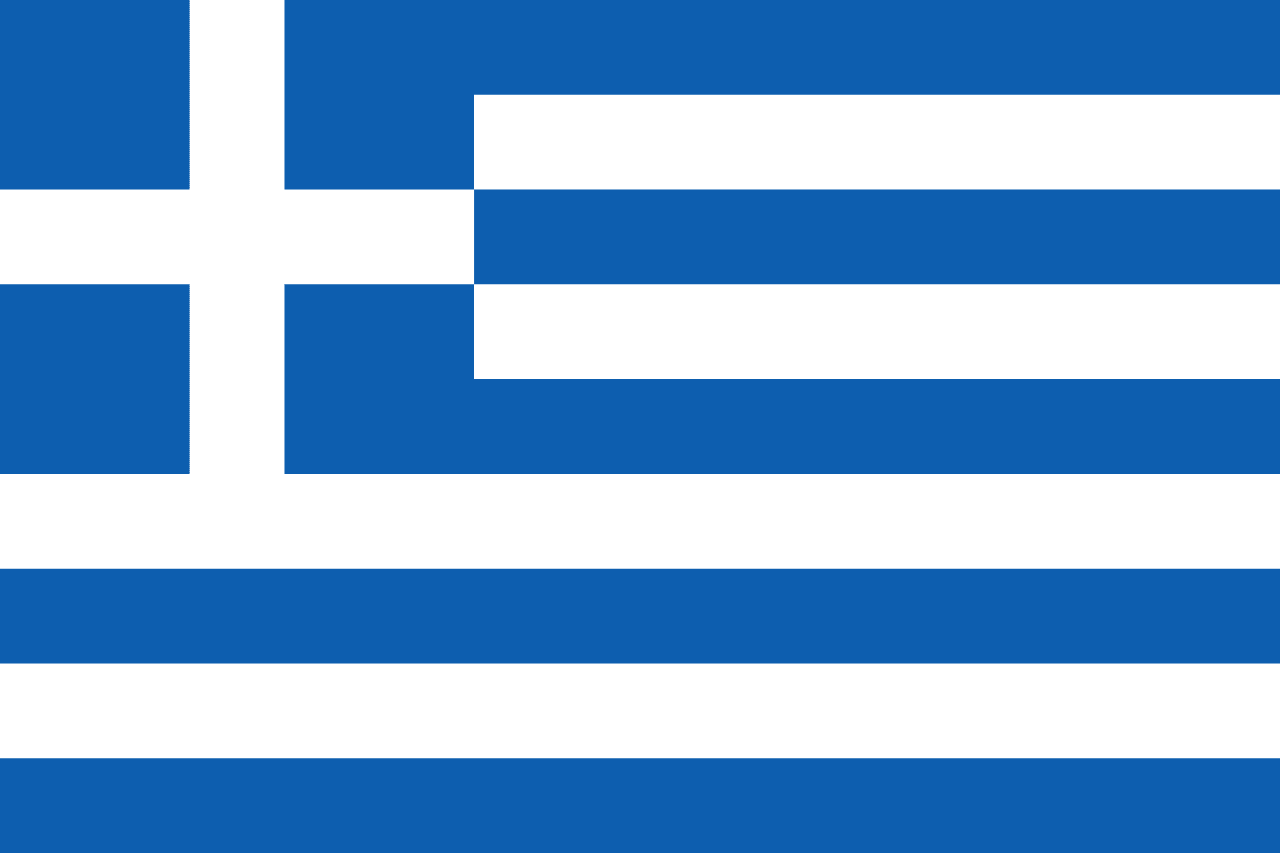
Living in Greece is like stepping into a vibrant watercolor painting—each day brimming with colors, flavors, and sounds that pulse with life. As someone who has called this enchanting country home, I can tell you that every moment can feel like a holiday, yet life here is also steeped in rich traditions and day-to-day realities that carry a unique charm. Let me take you through what everyday life looks like in Greece.
Waking up in a typical Greek home, you might be greeted by the warm sunlight filtering through sheer curtains, sending dappled patterns across the floor. The morning routine is often marked by the iconic sound of the church bells ringing, a gentle reminder of the importance of community and tradition here. Many Greeks start their day with a strong cup of coffee, known as "ellinikos" or Greek coffee, which is brewed in a small pot called a "briki." It’s thick and strong, served with grounds at the bottom of the cup. A fresh pastry from the local bakery often accompanies it—a sweet or savory delight that could cost as little as €1.
In Greece, the pace of life is leisurely, and this is reflected in how people approach their workday. Many shops and businesses open later in the morning, around 9 or 10 a.m., and close for a few hours in the afternoon for a siesta, particularly in the sweltering summer months. This midday break is not just a luxury but a necessity, with temperatures often climbing above 30°C (86°F). The rhythm of life flows in tandem with the sun, and work usually resumes in the late afternoon, often extending into the evening.
When it comes to the cost of living, Greece offers a mix of affordability and expense, depending on where you live. In bustling Athens, rent can be higher—as much as €600 for a small apartment in the city center compared to a mere €300 in smaller towns or the islands. Grocery prices are generally reasonable; for instance, a loaf of bread costs around €1, while a liter of milk is about €1.20. Eating out is a delightful experience, with traditional tavernas offering a meal for two, including a glass of wine, for about €30. However, prices can soar in tourist-heavy areas, especially in Santorini or Mykonos, where a simple meal can easily cost double.
Food culture in Greece is one of its most captivating aspects. Meals are not just about sustenance but are a time to gather, chat, and connect. The Mediterranean diet reigns supreme here, characterized by an abundance of fresh vegetables, olive oil, seafood, and whole grains. A typical lunch might include a colorful Greek salad topped with feta cheese and olives, a plate of moussaka, or even a simple serving of grilled fish. The phrase "Kali orexi!" (Καλή όρεξη!) meaning "enjoy your meal," is commonly exchanged before diving into a feast.
The evening meal, often the largest of the day, is an event in itself. Families and friends gather around the dinner table, not just to eat but to enjoy each other's company. It’s common to indulge in several courses, starting with appetizers (mezze) like tzatziki, dolmades, or olives, followed by a main course, and finishing with a sweet dessert, perhaps a slice of baklava. Sharing food is an integral part of Greek culture, symbolizing love, warmth, and hospitality.
Social customs in Greece are steeped in warmth and kindness. It’s customary to greet friends and strangers alike with a friendly "Kalimera!" (Καλημέρα!) meaning "Good morning!" and a firm handshake or a cheek kiss, depending on your closeness. Family ties are incredibly strong, often extending into the community. You’ll find that many Greeks still live with their parents until they marry, and family gatherings are frequent and lively. Sundays are often reserved for family, with mothers preparing lavish meals, and fathers discussing everything from politics to football over a glass of ouzo.
Work culture in Greece can be both rewarding and challenging. Although the eight-hour workday is standard, many sectors, especially in tourism, can demand long hours, particularly during the summer season. While there’s a deep-rooted respect for hierarchy, it’s not uncommon for coworkers to pop into each other's spaces for a chat or to share a laugh, creating a sense of camaraderie that’s refreshing. Punctuality is considered polite, yet you may find that meetings don’t always start on time, reflecting a more relaxed approach to time management. Greeks value relationships, so getting to know your colleagues often precedes any business transactions.
Weekends in Greece are a glorious pause from the hustle and bustle of the workweek. Many locals head to the beach, especially during the summer months, where sunbathing, swimming, and enjoying seaside tavernas become a weekend ritual. A typical Saturday might start with a leisurely breakfast at a café, sipping coffee while observing the world go by. Then, it’s off to the beach, where the sound of laughter mixes with the gentle lapping of waves. A day spent at the beach could easily include a picnic with friends, swimming, and perhaps even a game of beach volleyball.
As the sun sets, the nightlife emerges. It’s not unusual to see families dining together well into the night, or groups of friends flocking to local bars known for their vibrant atmosphere and live music. In larger cities, you might find bars that stay open until the early hours, showcasing everything from traditional Greek music to modern DJ sets.
The weather in Greece undeniably shapes everyday life. With its warm Mediterranean climate, summers are long and hot, while winters are mild and wet. This sunny disposition fosters a love for the outdoors; people relish their time outside, whether it’s enjoying a leisurely stroll through a park or dining al fresco. The lush landscapes, from sun-drenched beaches to verdant mountains, are a testament to the natural beauty that Greeks treasure. However, the summer heat can bring challenges like limited outdoor activity during midday and a reliance on air conditioning, particularly in urban areas.
Life in Greece is not without its challenges. The economic situation has seen ups and downs, and while some areas are seeing recovery, others still grapple with high unemployment rates. Bureaucracy can be a labyrinth, often leaving residents frustrated when trying to navigate paperwork or government services. However, the resilience of the Greek people shines through; they find joy in the smaller things and cherish the community spirit that binds them together.
What often surprises foreigners most about living in Greece is how deeply ingrained the concept of "philoxenia" is in the culture, meaning "friend to a stranger." You’ll find that locals are often eager to share their customs, invite you to family gatherings, or offer assistance when you least expect it. The sense of community is palpable; whether it’s helping a neighbor with groceries or exchanging friendly banter at the local market, Greeks pride themselves on their hospitality.
In conclusion, living in Greece is a delightful tapestry woven from rich traditions, flavorful cuisine, and a strong sense of community. Each day brings new experiences, whether it’s enjoying a leisurely coffee or diving into the crystal-clear waters of the Aegean Sea. The challenges are met with a warm-hearted resilience that is truly inspiring. While life here may differ from what many foreigners are accustomed to, it is precisely this unique blend of the everyday and the extraordinary that makes Greece a place where one can truly feel at home. Those who take the time to immerse themselves in the culture will find endless rewards in the friendships forged, the meals shared, and the beauty of life lived under the glorious Greek sun.