The History of Guatemala: From Ancient Times to Today
🌐 Translate:
# The History of Guatemala: From Ancient Times to Today
Nestled in the heart of Central America, Guatemala is a land of stunning landscapes, vibrant cultures, and a rich tapestry of history. From the majestic ruins of ancient civilizations to the colorful markets bustling with life today, Guatemala’s story is as intricate as its traditional textiles. To truly appreciate this beautiful country, one must traverse through its historical epochs, each of which has contributed to the unique identity of the Guatemalan people.
### Ancient and Indigenous History
Long before Spanish conquistadors set foot on Guatemalan soil, the region was home to some of the most advanced indigenous civilizations in the Americas. The Maya, known for their sophisticated culture, left an indelible mark on the land. This ancient civilization flourished in what is now Guatemala from around 2000 BC, peaking between 250 AD and 900 AD during the Classic period.
The Maya were not only exceptional architects but also mathematicians, astronomers, and artists. They developed a complex writing system, which remains one of the most sophisticated scripts in the pre-Columbian Americas. The cities of Tikal, Quiriguá, and Yaxhá stand as testaments to their architectural prowess, with towering pyramids, ceremonial plazas, and intricate stone carvings that depict their religious and political life.
Key figures from this period include the rulers of Tikal, notably Jasaw Chan K'awiil I, who led the city to its zenith. The Maya civilization was intricately woven with the cycles of nature, and their understanding of the cosmos was reflected in their calendar, which remains a subject of fascination today. However, by the end of the 10th century, the Maya civilization began to decline, leading to the collapse of many city-states, though some, like Tikal, continued to thrive for several centuries.
### The Postclassic Period and the Arrival of the Spanish
Following the decline of the Classic Maya cities, the Postclassic period saw a shift in power dynamics. New groups such as the K'iche', Kaqchikel, and Q'eqchi' rose to prominence, establishing their own kingdoms. The most notable of these was the kingdom of K'iche', which produced the Popol Vuh, a fundamental text of Maya mythology and history, recounting the creation of the world and the adventures of the Hero Twins.
In 1524, the Spanish, led by the ruthless conquistador Pedro de Alvarado, arrived in Guatemala. The conquest was brutally swift, marked by bloodshed and betrayal, as Alvarado sought to exploit the divisions among the indigenous groups. The once-mighty cities fell to the Spanish, and the indigenous population was subjected to the harsh realities of colonial rule. The arrival of Europeans brought with it new diseases, which decimated indigenous populations that had no immunity, further complicating the already difficult dynamics of colonization.
The colonial period also saw the introduction of Catholicism, often through forceful means. Churches and convents were established, and the Spanish crown sought to impose their culture on the indigenous peoples. Nevertheless, a syncretic culture began to emerge, where indigenous beliefs mingled with Catholic practices, a blend that is still evident in Guatemala’s rich traditions today.
### The Struggle for Independence
The winds of change began to blow across Latin America in the early 19th century, igniting the flames of independence from Spanish rule. Influenced by the ideals of the Enlightenment and the successful revolutions in North America and France, Guatemala's path to independence was a tumultuous one.
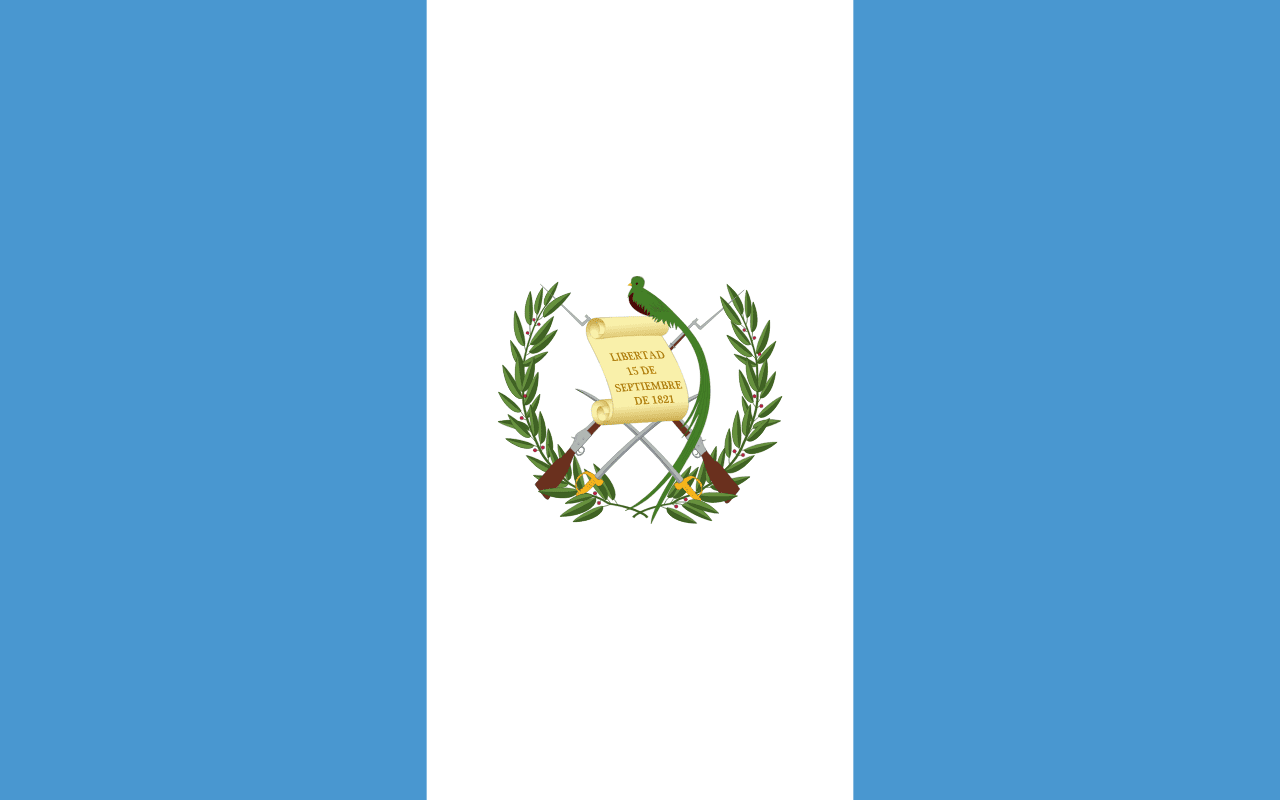
On September 15, 1821, Guatemala declared its independence from Spain, but this was just the beginning of a long struggle for self-determination. Initially, Guatemala joined the Mexican Empire under Agustín de Iturbide, but this was short-lived, as discontent with Mexican rule grew. In 1823, Guatemala became a founding member of the United Provinces of Central America, an attempt to unify the region. However, internal conflicts and political instability shattered this dream, leading to the dissolution of the federation by 1838.
The 19th century was marked by the leadership of figures such as Justo Rufino Barrios, who championed liberal reforms and sought to modernize the country. His tenure saw the expansion of education and infrastructure, yet it also deepened class divides and alienated indigenous communities. The struggle for power continued, with conservative and liberal factions vying for control, leading to civil wars that further fractured the nation.
### The 20th Century: Revolution and Turmoil
The mid-20th century was a pivotal era for Guatemala, marked by profound social and political upheaval. In the wake of World War II and a growing interest in social justice, numerous reform movements emerged, aiming to address the deep inequalities that had persisted throughout the country’s history. In 1944, a revolution ousted the authoritarian regime of Jorge Ubico, leading to a brief period of democratic reforms under Presidents Juan José Arévalo and Jacobo Árbenz.
Árbenz, a progressive leader, implemented ambitious agrarian reforms aimed at redistributing land to impoverished farmers. However, his policies alarmed foreign interests, particularly the United Fruit Company, which owned vast tracts of land in Guatemala. In 1954, with the backing of the U.S. government, a coup led by Colonel Carlos Castillo Armas toppled Árbenz, ushering in decades of military dictatorship and civil conflict.
The subsequent civil war, which lasted from 1960 to 1996, was one of the darkest chapters in Guatemala’s history. Government forces, often supported by the military, targeted not only insurgents but also civilians, leading to widespread human rights abuses. The Indigenous Maya communities bore the brunt of this violence, suffering from forced disappearances, massacres, and displacement. The conflict claimed over 200,000 lives, leaving a deep scar on the national consciousness.
### The Peace Process and Modern Guatemala
In 1996, after 36 years of bloodshed, a peace agreement was signed, marking the end of the civil war. This agreement aimed to address the underlying issues of social inequality and promote reconciliation. However, the aftermath of the conflict left Guatemala grappling with a complex legacy of violence, poverty, and social division.
The 21st century has seen Guatemala navigate its post-war challenges while striving for progress. Political corruption, crime, and poverty remain significant issues, often exacerbated by institutional weaknesses. The rise of powerful drug cartels has led to increased violence, prompting many Guatemalans to flee their homes in search of safety and opportunity.
Despite these challenges, Guatemala has also experienced a renaissance of cultural pride and activism. A new generation of indigenous leaders has emerged, advocating for rights and recognition. The annual celebrations of traditional festivals, such as Semana Santa and Día de los Muertos, reflect a rich cultural heritage that continues to thrive.
Guatemala today is a vibrant tapestry of indigenous cultures and modern influences. The bustling streets of Antigua, with its colonial architecture, juxtapose with the lively indigenous markets of Chichicastenango. The beauty of Lake Atitlán and the majesty of Tikal attract tourists from around the globe, eager to experience the country's storied past and dynamic present.
### Conclusion
The history of Guatemala is a poignant narrative of resilience and transformation. From the brilliance of the ancient Maya to the struggles of the modern era, each chapter has shaped the identity of this remarkable country. As Guatemala continues to forge its path in the contemporary world, it does so with a profound awareness of its history — one that is rich, complex, and ultimately hopeful. The story of Guatemala is not just a recounting of events; it is a living testament to the enduring spirit of its people, who strive for a future defined by justice, equality, and cultural pride.