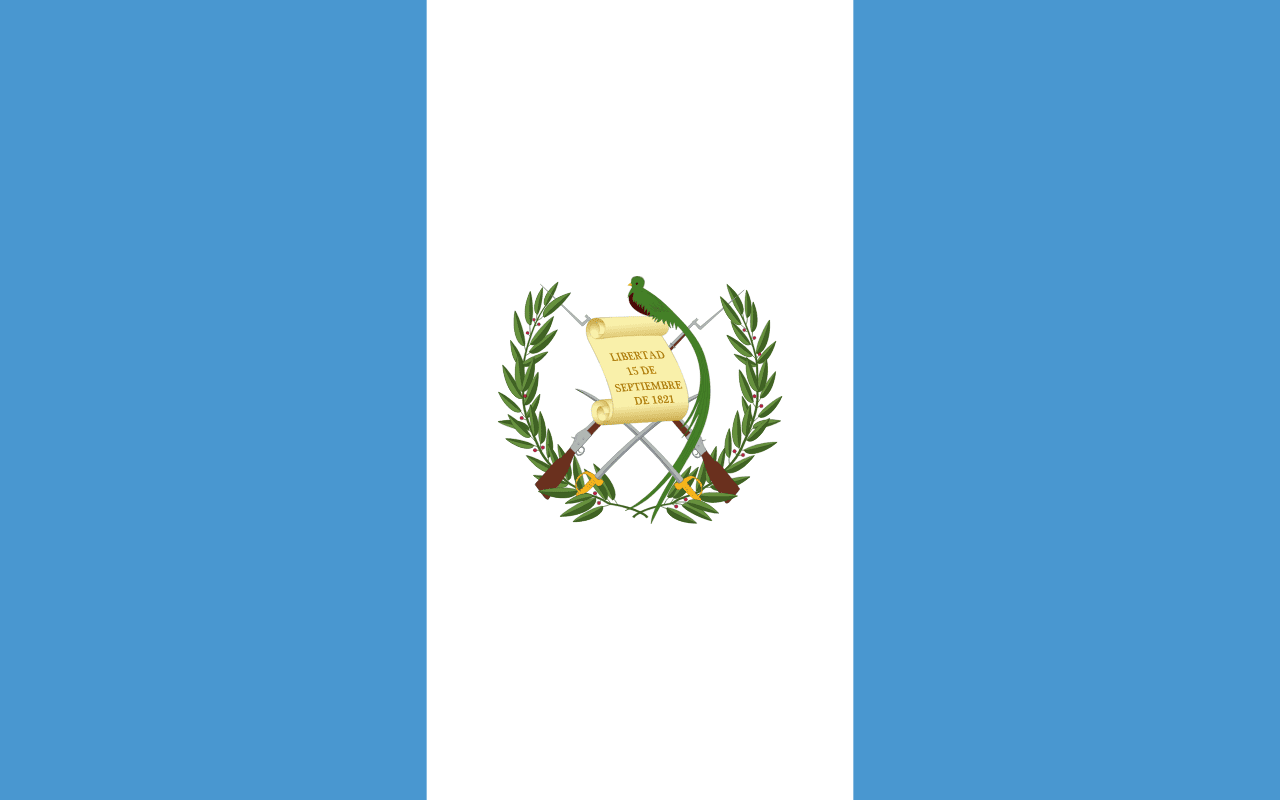
What It's Really Like to Live in Guatemala
Living in Guatemala is like stepping into a vibrant tapestry woven from the threads of ancient traditions, rich culture, and a daily rhythm that dances between the old and the new. After spending several years here, I've come to appreciate the nuances of everyday life, from the food on our tables to the sounds echoing through the bustling markets. It’s a country that hums with energy, and every day reveals something new, often surprising, about the people and the places that make it truly special.
The morning in Guatemala often begins with the sun peeking over the volcanic mountains that cradle the picturesque landscape. I’ve found that the day starts early here. By 6 AM, the streets begin to fill with the smell of freshly baked pan dulce (sweet bread) from neighborhood bakeries. A typical breakfast might include eggs scrambled with tomatoes and onions, known as huevos a la mexicana, served alongside warm tortillas. You can usually grab a plate for around 20 quetzales, which is less than $3. Coffee is a staple, often brewed strong and served black or with milk, and it comes from local beans that are some of the best in the world. Sharing a cup with a neighbor is a daily ritual that fosters community and warmth.
As the sun rises higher, the hustle and bustle of daily life kicks into full gear. The cost of living in Guatemala is surprisingly low. Rent for a modest apartment in a city like Antigua can range from 1,500 to 3,000 quetzales ($200 to $400), depending on the location and amenities. Even in Guatemala City, you can find comfortable housing that won’t break the bank. Utilities are also affordable, typically costing around 500 quetzales ($70) for electricity, water, and internet combined.
Food culture in Guatemala is deeply rooted in its indigenous heritage, with dishes that tell stories of tradition and resilience. Comida típica (typical food) is a must-try. I often find myself at a local comedor (small eatery), where a plate of pepián—a thick, savory stew made with chicken, vegetables, and a blend of spices—can cost as little as 30 quetzales ($4). Street food is another highlight; tamales, often wrapped in banana leaves, can be found in every corner of the market for about 5 quetzales ($0.70). The variety is astounding, and each region boasts its own specialties, from the seafood dishes on the coasts to the hearty mountain fare.
Social customs in Guatemala are incredibly important and reflect the strong sense of community that pervades everyday life. Greetings are warm and genuine; a simple handshake or a hug is common, and it’s important to ask about family, which is a central pillar of life here. People often use the phrase “¿Cómo estás?” (How are you?) as a standard greeting, but it carries a deeper weight, as it genuinely signifies a desire to connect. Family gatherings are frequent, and they almost always involve food, laughter, and stories that weave through generations.
Family life in Guatemala is a beautiful blend of tradition and modernity. It’s common for multiple generations to live under one roof, fostering a close-knit environment. Children are cherished, and their upbringing is often a community endeavor. I’ve seen neighbors watch out for each other’s kids, offering guidance and support. Birthday parties are grand celebrations filled with decorations, music, and, of course, a piñata, where children are encouraged to take a swing at sweet treats. The joy is palpable, and it reinforces the bonds of community and family.
Work culture here is very different from what I was accustomed to in the United States. The workday typically begins around 8 AM and often runs until 5 PM, with a long lunch break in the middle. However, the pace is generally more relaxed. It’s not unusual to see people engaging in casual conversations during work hours or taking time to enjoy a cup of coffee. Punctuality is somewhat flexible; it’s not uncommon for meetings to start a bit late. There’s a sense of camaraderie among colleagues, and the emphasis is on building relationships rather than just achieving tasks.
Weekends in Guatemala are a time for family, relaxation, and adventure. Many locals enjoy outdoor activities, taking advantage of the stunning natural beauty surrounding them. My weekends often involve hiking up one of the many volcanoes, like Pacaya, where the views are breathtaking and the experience exhilarating. For those who prefer a more tranquil setting, exploring the colorful markets is a favorite pastime. The Santiago Atitlán market, for example, is a kaleidoscope of colors, sounds, and flavors, where artisans sell everything from intricate textiles to handmade pottery.
Cultural events are also popular, with many towns celebrating their unique festivals throughout the year. The Semana Santa (Holy Week) in Antigua is a sight to behold, with elaborate processions and stunning alfombras (colorful carpets made from sawdust and flowers) lining the streets. This is a time when local traditions shine, and tourists flock to witness the beauty of Guatemalan culture. Music fills the air, from marimba melodies to local folk songs, creating an atmosphere that feels almost magical.
The weather in Guatemala plays a significant role in shaping daily life. The country experiences a tropical climate, with a distinct rainy season from May to October. Mornings are often sunny, but by afternoon, dark clouds can roll in, releasing refreshing showers that cool the air. This weather pattern means that planning outdoor activities often involves checking the forecast and being prepared for sudden downpours. However, the rain brings life to the lush landscapes, filling the rivers and nourishing the fertile soil that sustains the agricultural backbone of the country.
Life in Guatemala is not without its challenges, though. While the cost of living is low, economic disparities are pronounced; many people live in poverty, and access to quality healthcare and education can be limited. It’s disheartening to see families struggle to make ends meet, and the contrast between wealthy neighborhoods and impoverished areas can be stark. Crime can also be a concern, particularly in certain urban areas, which necessitates vigilance and caution.
Despite these challenges, the positives of living in Guatemala are abundant. The warmth of the people is unmatched; there’s a genuine friendliness that permeates every interaction. The rich culture, steeped in history and tradition, offers endless opportunities for exploration and learning. Festivals, art, music, and food are integral parts of life here, creating a vibrant community that feels like home.
What surprises many foreigners the most is the sense of connection that Guatemalans have with their land and heritage. The pride in local traditions, crafts, and agricultural practices is palpable. Many locals are eager to share their knowledge, whether it’s teaching you how to make corn tortillas from scratch or guiding you through the intricacies of weaving textiles. The resilience of the people, coupled with their deep appreciation for community and family, makes for a unique and enriching experience.
In essence, living in Guatemala is a journey that invites you to slow down and savor the moments. It’s a place where life is celebrated in small joys, where traditions are cherished, and where the spirit of community thrives. Each day holds the promise of new experiences and connections, and as I’ve learned to navigate this vibrant tapestry of life, I’ve come to see Guatemala not just as a place on the map, but as a true home filled with warmth, beauty, and endless stories waiting to be told.