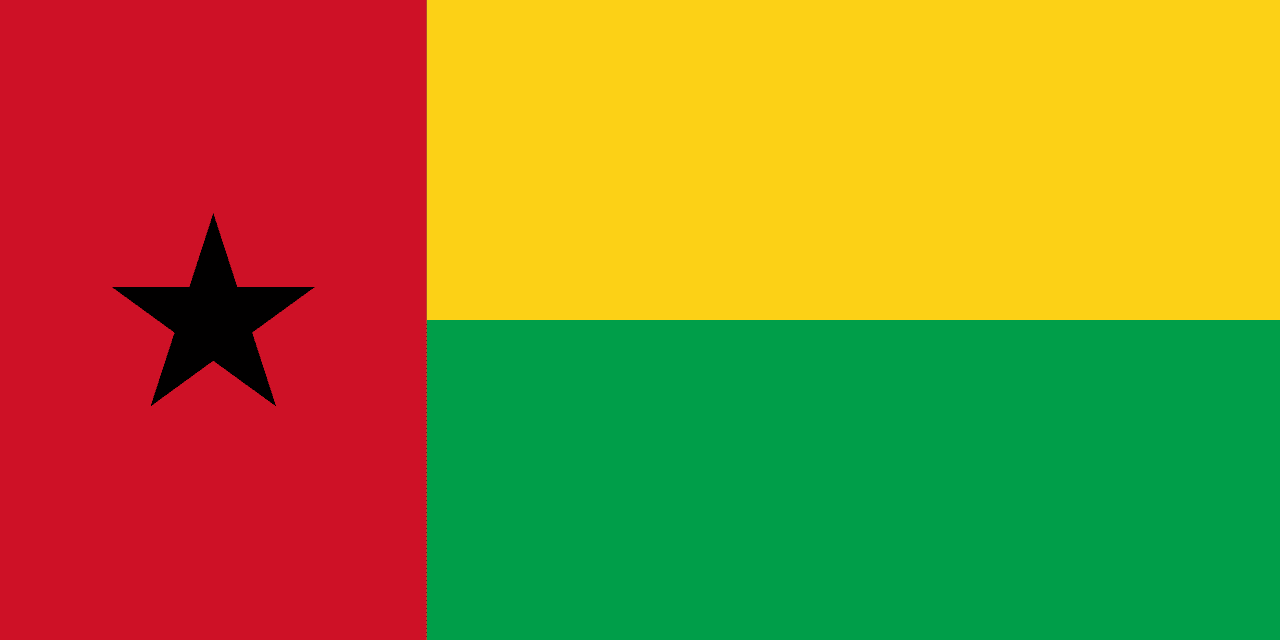
Guinea-Bissau: The Bijagos Islands and a Country the World Forgot
🌐 Translate:
The Bijagos Archipelago — 88 islands off the coast of Guinea-Bissau, roughly 40 of them inhabited — is one of West Africa's most extraordinary ecosystems and one of its least visited. The islands are a UNESCO Biosphere Reserve and the largest population of saltwater hippopotami in the world lives in their rivers and estuaries. Nile crocodiles, manatees, and green sea turtles nest on the beaches. The marine ecosystem is intact in a way that is increasingly rare in the world's coastal zones.
The Bijagos people, who have lived on the archipelago for centuries, maintain a culture organised around a matrilineal social structure in which women hold significant property and social authority. The initiation ceremonies that mark the transition from one life stage to the next — for both men and women — are complex, sometimes years-long processes that involve ritual seclusion, learning, and ceremony. The Bijagos have historically resisted external authority — Portuguese colonial administrators found the islands difficult to control and the people unwilling to be governed on anyone else's terms.
Guinea-Bissau as a whole is one of the world's least developed countries, but its music — gumbe, built on African percussion with Portuguese guitar influences and sung in the Creole language — has an energy and specificity that reflects a culture that has maintained its character despite everything. The music of Bissau's streets tells you more about the country than the development statistics do.