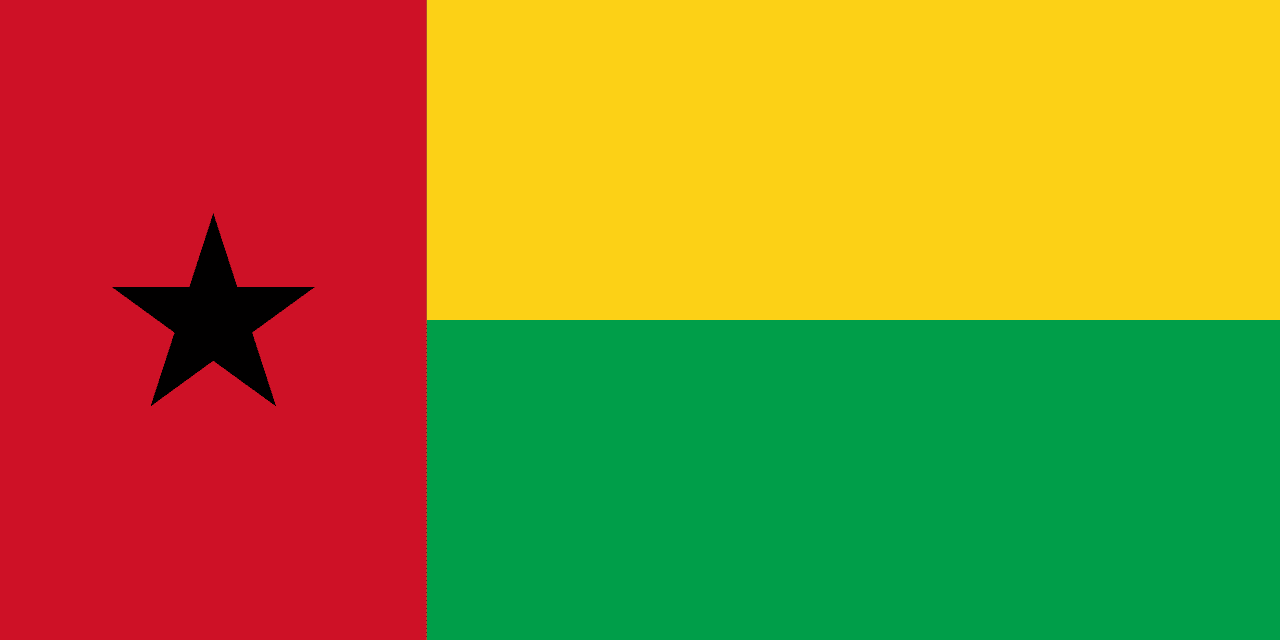
What It's Really Like to Live in Guinea-Bissau
Nestled on the West African coast, Guinea-Bissau is often overlooked by travelers seeking adventure or a sun-soaked beach escape. However, for those fortunate enough to immerse themselves in the daily life here, the country offers an experience full of vibrant culture, warm community ties, and a slower-paced existence that feels almost like stepping back in time. After living in this enchanting land for several years, I’ve come to appreciate the unique blend of challenges and joys that shape everyday life.
Morning in Guinea-Bissau begins gently, with the rising sun painting the sky in soft pastel colors. The early hours bustle with activity as vendors set up their stalls in the local market. The air fills with the enticing aromas of freshly fried akara (bean cakes) and the rich scent of strong coffee brewed with sweetened condensed milk. If you wake up early enough, you might even join the locals in the ritual of sipping coffee while exchanging gossip and laughter. Street vendors usually sell a cup for about 50 CFA (roughly 10 cents), a small price for a moment of connection.
The cost of living in Guinea-Bissau is surprisingly low by Western standards. While imported goods can be pricey, local produce and staples are very affordable. A kilo of rice generally costs around 400 CFA, and fresh vegetables like tomatoes and onions are abundant and inexpensive, often less than 200 CFA per kilo at the market. For a modest meal, you might spend no more than 1000 CFA, allowing you to eat well on a tight budget. As a foreigner, learning a few local phrases can go a long way; “Obrigu” (thank you) or “Kumba” (how much?) are essentials that help foster camaraderie with local vendors.
The culinary scene is a delightful reflection of Guinea-Bissau’s cultural tapestry. Traditional dishes are often centered around rice, with fish and vegetables playing central roles. One of my personal favorites is “Jollof rice,” a one-pot dish that combines rice with tomatoes, onions, and spices, offering a rich and comforting flavor. On special occasions, you might find “caldo de peixe,” a fish stew that celebrates the abundant marine life along the coast. Sharing meals is a social event; it’s common for families to eat from a shared plate, showcasing the communal spirit that permeates the culture.
Family life in Guinea-Bissau is deeply rooted in tradition and community. Extended families often live together or nearby, providing a support network that is vital in both daily life and during celebrations. Communal gatherings are plentiful—birthdays, weddings, and religious festivals often bring the entire neighborhood together in joyful celebration. A phrase you’ll hear often is “Nha família,” which means “my family,” indicative of how seriously people take their familial bonds. Children are cherished, and it’s not uncommon for neighbors to lend a hand in childcare, reflecting the idea that it takes a village to raise a child.
While family ties are strong, the work culture can be quite different from what many foreigners might expect. The pace of work is often slower, with a strong emphasis on relationships over strict schedules. For instance, it’s not unusual for a meeting to start hours late or for a planned activity to be postponed due to unforeseen circumstances. This fluidity can be challenging for those accustomed to a more regimented approach, but it also fosters a deep sense of camaraderie among colleagues. Many locals engage in informal work or run small businesses, with a significant portion of the population relying on agriculture or fishing for their livelihoods.
Weekends in Guinea-Bissau offer a delightful contrast to the workweek. Saturdays typically see families heading to the market to stock up on fresh produce and other necessities, but Sundays are reserved for relaxation and socializing. It’s common to see families gathering for a picnic at the beach, where the sound of laughter fills the air and the scent of grilled fish wafts from makeshift barbecues. People often engage in games of football, showcasing local talent and creating a sense of community spirit. You might hear excited shouts of “Goal!” echoing across the sandy shores, as children and adults alike integrate play into their lives.
As much as the weather can be a topic of conversation, it profoundly influences daily activities and lifestyle in Guinea-Bissau. The country experiences a tropical climate, characterized by a distinct wet and dry season. The dry season, lasting from November to April, brings ease and comfort, with low humidity and pleasant temperatures that encourage outdoor gatherings. However, during the rainy season, the landscape transforms dramatically; roads can become inaccessible, and daily life can be interrupted by torrential downpours. The rains are essential, replenishing the land and nourishing crops, but they also present challenges that locals have adapted to over generations.
Life in Guinea-Bissau is not without its challenges. Infrastructure can be lacking, with roads in disrepair and access to healthcare limited in rural areas. Many hospitals are understaffed, and access to medicines can be sporadic. Education also faces hurdles, with schools often lacking resources and trained teachers. Yet, despite these difficulties, the resilient spirit of the people shines through. Community involvement is strong, with many locals working together to improve their neighborhoods and support one another.
What might surprise a foreigner most about living in Guinea-Bissau is the overwhelming sense of community and warmth. Even among strangers, there is a welcoming attitude that creates a sense of belonging. You’ll often hear the phrase “Sabi na di,” which translates to “you know it,” a way of affirming shared understanding and experience. The friendliness of the people is infectious, and soon you’ll find yourself joining in, greeting passersby with a smile and a friendly “Bom dia!”
Despite the challenges, life in Guinea-Bissau is colored by optimism and resilience. There’s a profound appreciation for the simple joys—a meal shared with family, a day at the beach, a lively market filled with laughter. The beauty of this country lies not just in its landscapes but in the strength of its people and their unwavering ability to find joy even amidst adversity.
Living in Guinea-Bissau has taught me the value of patience, humility, and connection. The slower pace of life allows for a deep appreciation of the little things that often go unnoticed in a fast-paced world. Whether you’re enjoying a sunset on the beach or sharing a meal with friends, the experiences here resonate with a sense of community that is both enriching and fulfilling.
In conclusion, Guinea-Bissau is a place where life unfolds at a different rhythm, and for those willing to embrace it, the rewards are bountiful. From the colorful markets to the rich flavors of local cuisine, the warmth of the people to the breathtaking landscapes, there is an abundance of beauty waiting to be discovered. Although challenges exist, they are met with a sense of hope and collaboration that defines this unique corner of the world. For anyone considering a visit or even a longer stay, the heart of Guinea-Bissau beats with the promise of a rich and vibrant life.