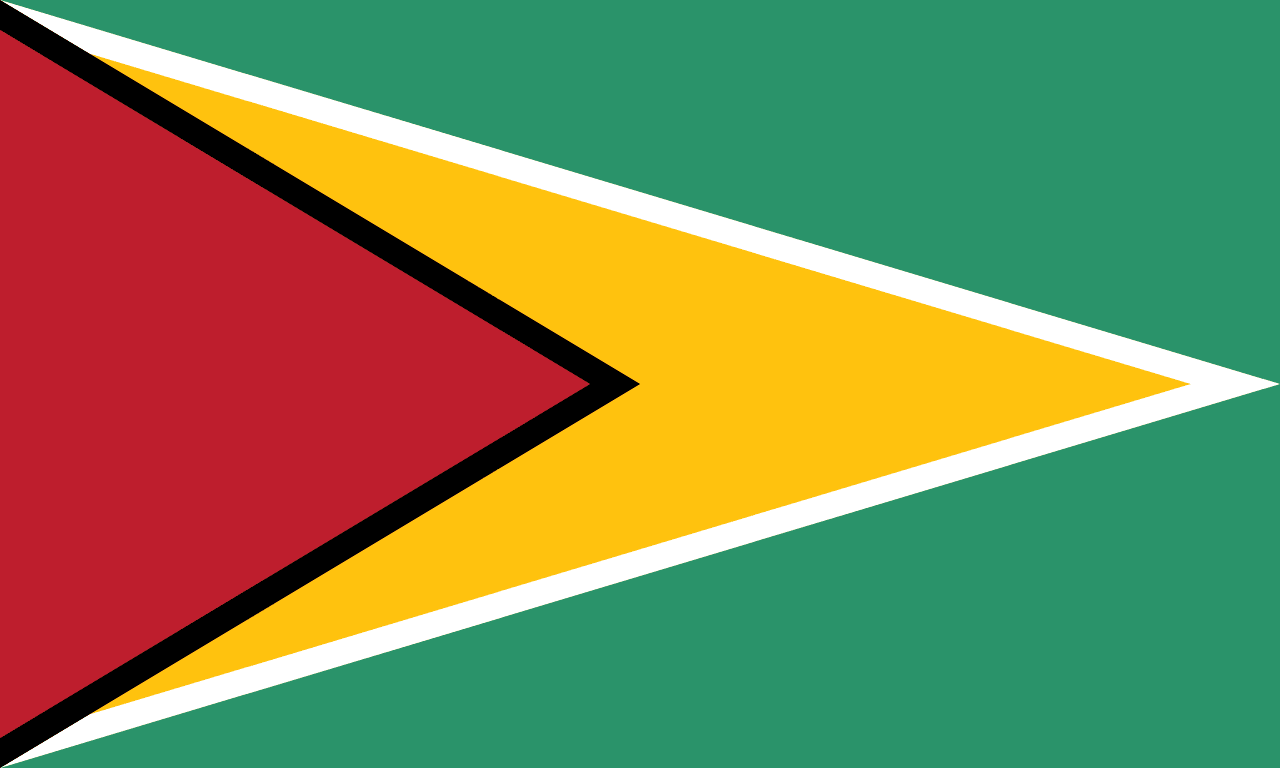
The History of Guyana: From Ancient Times to Today
🌐 Translate:
# The History of Guyana: From Ancient Times to Today
Nestled on the northeastern coast of South America, Guyana is a land of stunning natural beauty and rich cultural diversity. From its lush rainforests and expansive savannas to its fascinating tapestry of indigenous and colonial histories, the story of Guyana is as intricate as the ecosystems that flourish within its borders. This is a tale woven over millennia, featuring ancient civilizations, imperial ambitions, and the relentless spirit of a nation striving for identity and independence. Join me as we journey through the captivating history of Guyana—from its earliest inhabitants to its present-day status as a vibrant Caribbean nation.
### Ancient and Indigenous History
Long before European explorers set foot on the shores of what we now call Guyana, the land was home to native peoples who lived in harmony with the environment. Archaeological evidence suggests that the first inhabitants arrived over 10,000 years ago, migrating from the north and settling along the rivers and savannas. Among these early groups were the Arawak and Carib tribes, whose cultures thrived in the rich biodiversity of the region.
The Arawaks were skilled agriculturalists and fishermen, cultivating cassava, maize, and other staple crops. They built intricate villages, fostering complex social structures and trading networks. The Caribs, known for their warrior culture, eventually spread across the Caribbean islands, but they also established settlements in the interior of Guyana. Their fierce resistance to outside forces would later shape the narrative of colonial encounters.
These indigenous societies flourished until the late 15th century. However, as European explorers began their voyages of discovery, the lives of the indigenous peoples were irrevocably altered. The arrival of Christopher Columbus in 1498 marked the beginning of centuries of European interest in the region, leading to devastating consequences for the native populations.
### The Era of Colonization
The 17th century brought the age of colonization to Guyana, with competing European powers setting their sights on the lucrative resources of the New World. The Dutch were among the first to establish settlements, founding the colony of Essequibo in 1616. The Dutch recognized the area's potential for sugar production and began to exploit the fertile land using African slave labor. This marked the beginning of a tragic chapter in Guyana's history, as the transatlantic slave trade decimated communities in West Africa and brought millions to the Americas.
By the mid-1600s, the Dutch had expanded their influence across the region, creating a network of colonies that included the colonies of Demerara and Berbice. Despite occasional conflicts with British and French forces, the Dutch maintained control until the late 18th century when the British seized the territory during the Napoleonic Wars.
The British solidified their hold on Guyana in 1814, formally taking control of the three colonies and unifying them into British Guiana. The sugar economy flourished, leading to the establishment of large plantations that relied heavily on enslaved labor. As the abolition of slavery loomed, the social fabric of Guyana began to shift dramatically.
### Transition from Slavery to Indentured Labor
The abolition of slavery in 1834 was a watershed moment for Guyana, leading to the emancipation of thousands of enslaved Africans. However, the transition was far from smooth. Plantations faced labor shortages, prompting plantation owners to seek alternative sources of labor. This led to the introduction of indentured servants from India starting in 1838, a practice that would further diversify the demographic landscape of the nation.
The Indians brought with them their own rich cultural heritage, which deeply influenced the social and agricultural practices in Guyana. Festivals, culinary traditions, and religious practices blended with those of the Afro-Guyanese population, creating a unique cultural milieu. Yet, the indentured labor system was fraught with challenges, including harsh working conditions and poor living arrangements, leading to significant tension between the different ethnic groups.
As the 19th century progressed, British Guiana emerged as a diverse society marked by its continual interplay of cultures—an identity that would shape the nation’s future.
### The Road to Independence
The early 20th century saw a burgeoning sense of nationalism among the diverse populations of British Guiana. Influential figures such as C. V. Nunes and the prominent journalist and politician, Cheddi Jagan, began advocating for self-governance and social reform. The labor movement gained momentum, culminating in mass protests and strikes, especially among the sugar workers who sought better wages and working conditions.
World War II acted as a catalyst for political change. Returning soldiers brought new ideas of democracy and self-determination. In 1943, the British Guiana National Congress was formed, marking a significant milestone in the push towards independence. By the end of the 1940s, the political landscape had dramatically shifted as Jagan and his political ally, Forbes Burnham, emerged as prominent leaders of the People's Progressive Party (PPP) and the People's National Congress (PNC), respectively.
The racial and political tensions between these parties set the stage for a turbulent period in Guyana’s history. Following the 1953 elections, the British government suspended the constitution, fearing that the PPP's policies would lead to communism. This act of colonial intervention angered many and galvanized support for Jagan and the PPP, leading to widespread protests and demands for self-rule.
After years of struggle, Guyana finally gained independence on May 26, 1966. It was a moment of immense pride for the nation, marking the transition from colonial rule to self-governance. Forbes Burnham, who had emerged as a key figure in the independence movement, became the first Prime Minister, setting the stage for the newly formed nation’s future.
### Modern Guyana: Challenges and Triumphs
Independence, however, did not bring immediate stability. The political landscape remained fractured, with tensions between the PPP and PNC escalating into violence and unrest throughout the 1970s. In 1980, Burnham declared Guyana a republic, further consolidating his power. Economic hardships, exacerbated by mismanagement and international sanctions, led to widespread discontent.
In the late 1980s, the winds of change began to blow with the gradual introduction of democratic reforms under the leadership of President Desmond Hoyte. The first free elections in 1992 ushered in a new era, as Cheddi Jagan was re-elected, bringing hopes of reconciliation and economic revival. The subsequent years saw attempts to bridge the ethnic divides and foster national unity.
Despite facing economic challenges, including fluctuating oil prices and environmental issues, Guyana has made significant strides in recent years. The discovery of massive offshore oil reserves in 2015 transformed the nation's economic prospects, attracting foreign investment and sparking a new wave of development. This newfound wealth has the potential to reshape the social and political landscape, but it also raises questions about governance, equity, and environmental sustainability.
### The Guyana of Today
Today, Guyana stands at a crossroads, balancing its rich cultural heritage with the demands of modernization. The population is a mosaic of ethnicities, including Afro-Guyanese, Indo-Guyanese, Amerindians, and expatriates from various backgrounds. Festivals celebrating Diwali, Mashramani, and Independence Day demonstrate the vibrancy of this multicultural society, reflecting the resilience and creativity of its people.
As Guyana embarks on this new chapter, its historical narrative serves as both a foundation and a reminder of the complexities that lie ahead. The nation’s leaders must navigate the challenges of economic growth while ensuring that the wealth created benefits all citizens. The spirit of unity and resilience that has characterized Guyana’s history will be crucial in determining its future.
### Conclusion
The history of Guyana is a testament to the enduring strength of its people—their ability to adapt, resist, and thrive amidst change. From the ancient tribes who first inhabited its land to the diverse society of today, Guyana’s journey is filled with rich stories and significant turning points. As the nation forges its path on the global stage, the lessons of its past will be instrumental in shaping a future that embraces its diversity while pursuing common goals of prosperity and harmony. In essence, the story of Guyana is not just a narrative of survival and resilience; it is a vibrant tapestry of human experience, continuously woven with threads of hope, ambition, and unity.