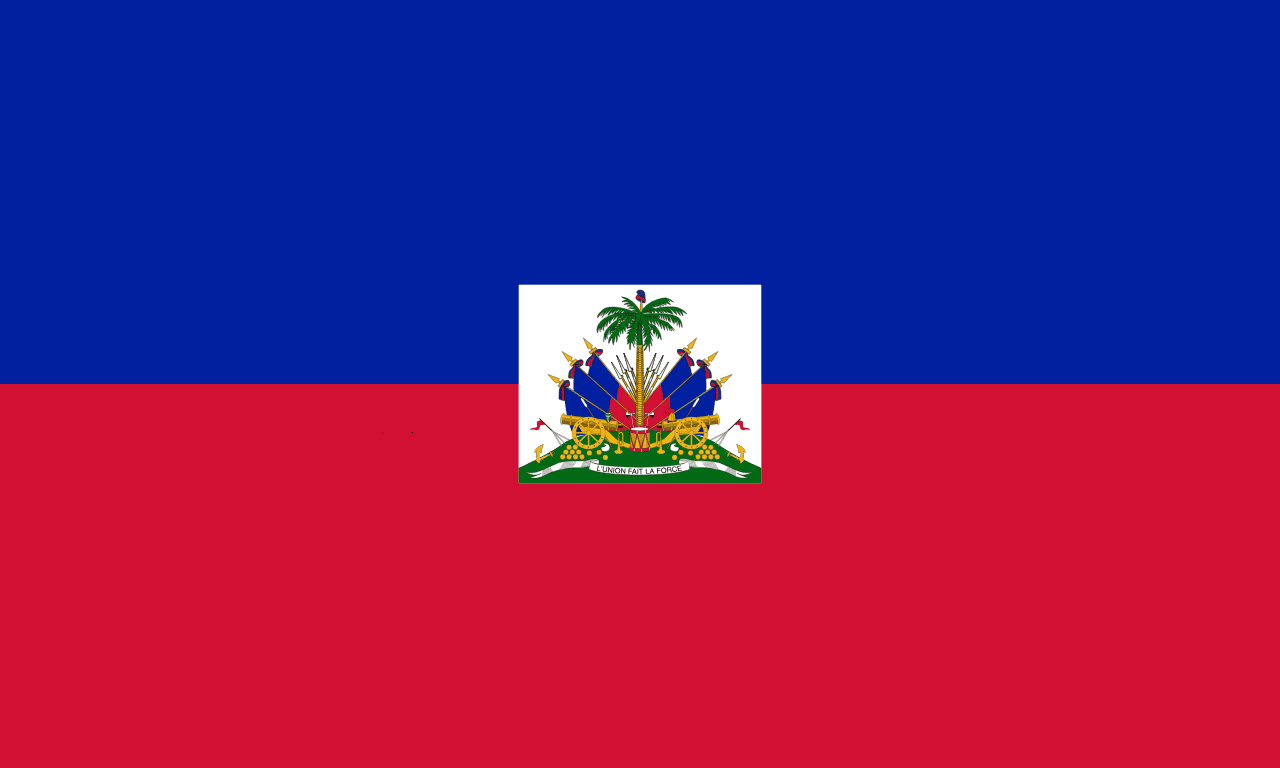
Haiti, a vibrant island nation nestled in the Caribbean, is often misunderstood and underestimated. While many tourists flock to its more popular destinations, such as the bustling capital of Port-au-Prince or the pristine beaches of Jacmel, there lies a wealth of hidden gems waiting to be explored. These off-the-beaten-path treasures offer a glimpse into the rich tapestry of Haiti’s culture, history, and natural beauty, allowing adventurous travelers to experience the true essence of the country. If you're ready to delve deeper and uncover the lesser-known wonders of Haiti, here are some places you won’t want to miss.
First on our journey is the quaint village of Les Cayes, located on the southern coast of Haiti. While many visitors may pass through on their way to the nearby beaches of Île à Vache or the renowned Labadee, Les Cayes itself is a place of beauty and authenticity. The village is wrapped in a warm embrace of palm trees and sandy shores, but it’s the local culture that truly sets it apart. Stroll through the bustling market where vendors hawk fresh fruits, handmade crafts, and traditional Haitian dishes like pikliz and joumou soup. The friendly locals are eager to share their stories, and the vibrant music that fills the streets will have you tapping your feet in no time. To get to Les Cayes, take a bus from Port-au-Prince; the journey is scenic and adds to the adventure.
Next, we venture to the picturesque town of Mirebalais, known for its stunning natural landscape and rich history. Nestled in the Central Plateau, Mirebalais is often overlooked by tourists but boasts breathtaking views of the surrounding mountains and valleys. The striking architecture of the town, including the Church of Saint-Michel, is a testament to its colonial past. What makes Mirebalais truly special, however, is the nearby Bassin Zim, a hidden waterfall that offers a refreshing escape from the tropical heat. The hike to the waterfall is an adventure in itself, winding through lush vegetation and local farms. To reach Mirebalais, take a tap-tap (shared taxi) from Port-au-Prince; the ride offers a unique perspective of daily life in Haiti.
Continuing our exploration, we arrive at the village of Jacmel, which, while known for its art scene and Carnival celebrations, often gets overshadowed by its more famous cousins. But it’s the less-visited areas of Jacmel that reveal its true spirit. The “Artisan Village” on the outskirts is a treasure trove of local craftsmanship, where artisans create hand-painted masks, vibrant paintings, and intricate sculptures. The best time to visit is during the Carnival season, where the streets come alive with color, music, and dance. To get to Jacmel, you can take a bus from Port-au-Prince that winds along the coast and offers stunning ocean views.
Further along the southern coast lies the serene beach of Port-Salut, a gem that remains largely undiscovered by international travelers. This idyllic beach boasts crystal-clear waters and powdery white sand, making it the perfect spot for relaxation. Unlike the touristy resorts of Labadee, Port-Salut retains its charming, laid-back atmosphere. Here, you can enjoy fresh seafood from local vendors, take long walks along the shore, or simply bask in the sun. To get there, take a bus from Les Cayes, and be sure to arrive early in the day to enjoy the tranquility before the sun sets over the horizon.
For an authentic taste of Haitian culture, venture into the town of Cap-Haïtien, situated on the northern coast. Cap-Haïtien is known for its colonial architecture and historical significance, but many visitors miss out on the vibrant neighborhoods that exude life and energy. The lively neighborhood of Ville Ruelle is a hidden treasure filled with local music, street vendors, and the aroma of traditional Haitian cuisine wafting through the air. Be sure to visit the Citadelle Laferrière, a UNESCO World Heritage site, while you're in the area. This monumental fortress stands as a symbol of Haiti's fight for independence. Cap-Haïtien is accessible by bus from Port-au-Prince, and the journey through the scenic Northern Mountains is worth every moment.
Our next stop takes us to the enchanting village of Saut-d'Eau, famous for its beautiful waterfall and spiritual significance. Located about an hour's drive from Port-au-Prince, Saut-d'Eau is a pilgrimage site for both locals and visitors seeking healing and renewal. The waterfall cascades down rocky cliffs, creating a serene environment perfect for reflection. Every July, the village comes alive with the annual Vodou festival, where devotees gather to celebrate and honor the spirits. If you’re interested in experiencing this unique aspect of Haitian culture, visiting during the festival is a must. You can reach Saut-d'Eau by taking a bus or hiring a private driver from Port-au-Prince.
Next, we discover the quaint village of Pignon, a hidden gem in the Artibonite region known for its warm hospitality and lush landscapes. Pignon is relatively untouched by mass tourism, making it a perfect destination for those looking to connect with locals. The village is famous for its beautiful landscapes, offering plenty of opportunities for hiking and exploring the surrounding mountains. Traditional music and dance are integral to life in Pignon, so be sure to ask about local performances during your visit. To reach Pignon, take a bus from Port-au-Prince, which will take you through the vibrant countryside.
As we continue our journey, we can't overlook the stunning landscapes of the La Visite National Park, a natural haven for hikers and nature enthusiasts. Located in the southeast of Haiti, this park features dramatic mountain terrain, lush forests, and diverse wildlife. While many tourists stick to the beaches, La Visite offers a refreshing alternative for those looking to immerse themselves in Haiti's natural beauty. You can hike through the park's trails, enjoy breathtaking views, and possibly spot some of the rare bird species that call this area home. To get there, take a bus from Port-au-Prince to Jacmel, and then hire a local guide to explore the park.
Lastly, we arrive at the coastal town of Île-à-Vache, a slice of paradise that remains largely undiscovered. This unspoiled island is accessible by boat from Les Cayes and offers serene beaches, lush vegetation, and friendly locals. Spend your days lounging on the beach, exploring the island by bicycle, or visiting local fishermen to learn about their trade. Île-à-Vache is an excellent place to unwind and escape the hustle and bustle of the mainland. The best way to experience the island is to spend a few nights in a local guesthouse, where you can truly connect with the community.
As this journey through Haiti comes to a close, it’s important to keep a few practical tips in mind. First and foremost, learn a few key phrases in Haitian Creole; the locals will appreciate your efforts and open up to you in ways that wouldn’t be possible otherwise. Traveling by bus or tap-tap is an adventure in itself, but be prepared for longer travel times than you might expect. Always check for up-to-date travel advisories, and consider hiring a local guide to navigate some of the more remote areas. Lastly, embrace the unexpected; the beauty of traveling in Haiti lies in the connections you make and the stories you gather along the way.
In conclusion, Haiti is a land of contrasts, where the beauty of its hidden gems far outweighs the challenges it faces. By seeking out these lesser-known places, you will not only enrich your own travel experience but also contribute to the local communities that thrive on tourism. So pack your bags, set your adventurous spirit free, and get ready to uncover the magic that lies just beyond the surface of this incredible country.