# The History of Haiti: From Ancient Times to Today
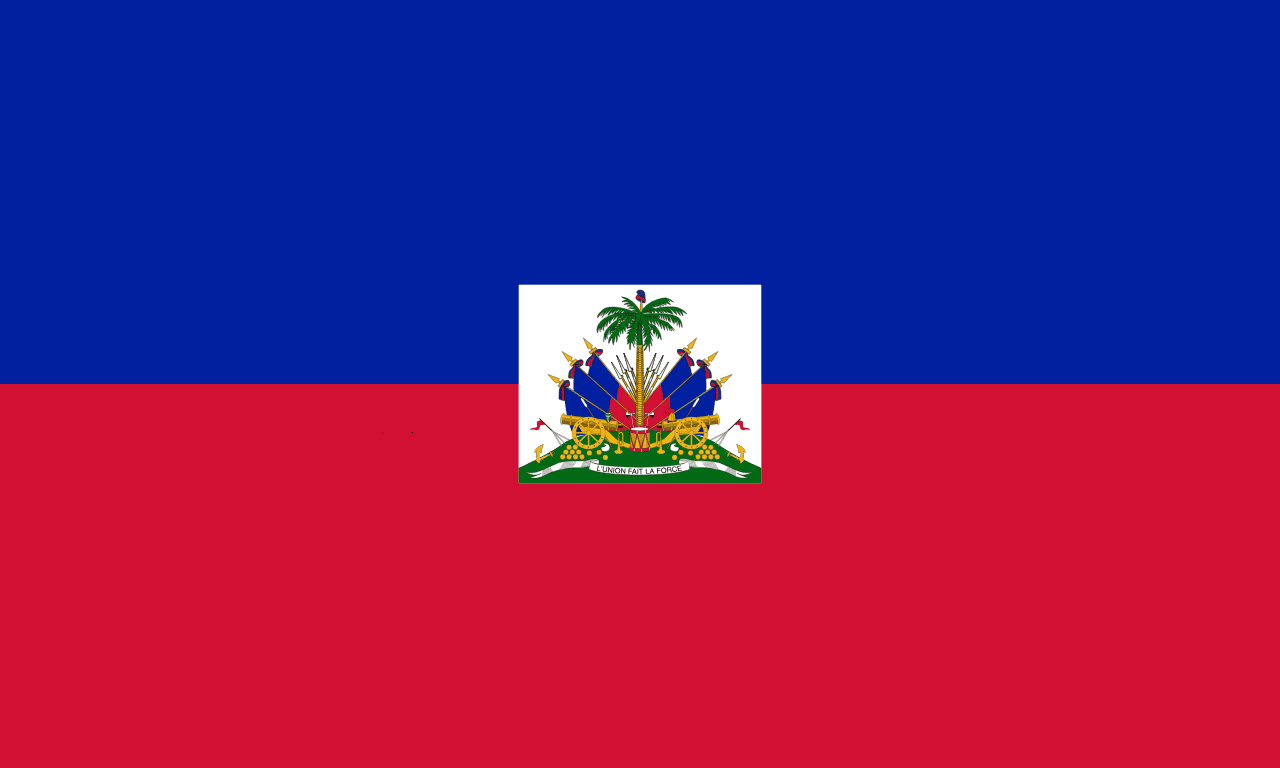
Haiti, a Caribbean nation nestled on the western part of the island of Hispaniola, has a history as vibrant and complex as its landscape. This land, rich in culture and resilient spirit, has been shaped by centuries of indigenous civilization, conquest, colonialism, struggle, and triumph. To truly appreciate Haiti today, we must journey through its past, from the ancient Taino tribes to the revolutionary fervor that birthed the first Black republic.
## Ancient and Indigenous History: The Taino Legacy
Long before European sails graced the Caribbean seas, the island of Hispaniola was home to the Taino people, a branch of the Arawak family. These indigenous inhabitants arrived around 500 BCE, flourishing in a society that valued agriculture, trade, and communal living. The Taino were skilled farmers, cultivating cassava, sweet potatoes, and maize, while also fishing and hunting to sustain themselves.
Taino society was organized into chiefdoms, with powerful leaders known as caciques who governed various clans. One of the most notable caciques was Caonabo, a fierce warrior who led resistance against European incursions. The Taino had a rich cultural heritage, marked by their spiritual beliefs centered around a pantheon of gods and goddesses, and their vibrant artistic expressions through pottery and weaving.
However, the arrival of Christopher Columbus in 1492 marked the beginning of tragedy for the Taino. Columbus, believing he had discovered a new route to Asia, claimed Hispaniola for Spain. The ensuing colonization brought violence and disease, decimating the Taino population. By the early 16th century, the once-thriving communities had dramatically dwindled, a tragic foreshadowing of the horrors to come.
## Colonial Era: The Exploitation of Hispaniola
In the 16th century, as the Spanish established their foothold on the island, they exploited its resources, particularly gold. The Taino, forced into servitude, suffered under brutal conditions. In their quest for wealth, the Spanish initiated the transatlantic slave trade, importing Africans to work the plantations that replaced the decimated indigenous farms.
By the late 17th century, the French had laid claim to the western part of Hispaniola, calling it Saint-Domingue. Under French rule, the colony flourished, becoming the world's richest sugar-producing territory, thanks to the brutal enslavement of Africans. This period marked the dark pinnacle of human exploitation, as enslaved people endured horrific conditions in the plantations. The sugar and coffee they produced fueled European economies but at an immense human cost.
Among the enslaved population, resistance was ever-present. Rebellions, while often crushed, ignited a thirst for freedom that would lie dormant until the 1790s. One such act of defiance was led by Boukman Dutty, a Vodou priest who rallied enslaved people to the cause of liberation, setting in motion events that would transform the colony forever.
## The Haitian Revolution: A Fight for Freedom
The winds of change swept through the Caribbean during the late 18th century, driven by the ideals of the French Revolution and the universal cry for liberty. On August 22, 1791, the Haitian Revolution erupted, igniting a fierce struggle that would last for over a decade. The enslaved population, inspired by Boukman and fueled by the spirit of resistance, rose up against their oppressors. This monumental uprising was marked by brutal violence, but it also showcased the resilience and courage of the Haitian people.
One leader emerged as a central figure during these tumultuous times: Toussaint L'Ouverture. A former enslaved person himself, Toussaint was a brilliant military strategist and a charismatic leader who united various factions of the enslaved population. Under his leadership, the revolution gained ground, overthrowing colonial rule and establishing a degree of autonomy in Saint-Domingue. His efforts led to the abolition of slavery in the colony, making him a symbol of hope and resistance for the oppressed.
However, the struggle was far from over. After declaring independence in 1804, Haiti faced internal divisions, foreign hostility, and an ongoing struggle to stabilize the new nation. In a twist of irony, Toussaint L'Ouverture was captured by the French and died in a cold prison cell in the French Alps, leaving a legacy that would inspire future generations.
## Independence and Nation-Building
Haiti officially declared its independence on January 1, 1804, making it the first nation in the Western Hemisphere to abolish slavery and the second independent nation in the Americas after the United States. Under the leadership of Jean-Jacques Dessalines, who proclaimed himself emperor, Haiti sought to establish its identity apart from colonial rule.
However, the road to nationhood was fraught with challenges. Foreign nations, alarmed by the successful revolt of enslaved people, ostracized Haiti, leading to a period of economic isolation. In 1825, France imposed a crippling indemnity, demanding 150 million francs in reparations for lost property, including enslaved people. This debt would haunt Haiti for generations, stifling its economic development and contributing to widespread poverty.
Despite these hardships, Haiti developed a unique cultural identity. The blending of African traditions, indigenous roots, and French influences gave rise to a rich tapestry of music, art, and religion. Vodou, once viewed as a mere superstition, became an integral part of Haitian culture, embodying the spirit of resilience and unity among the people.
## The 20th Century: Struggles and Dictatorships
As the 19th century drew to a close, Haiti faced ongoing political instability, marked by a series of coups, dictatorships, and foreign interventions. The United States occupied Haiti from 1915 to 1934, ostensibly to restore order but ultimately exerting control over the nation’s finances and infrastructure. This occupation left a lasting impact on Haiti, fostering resentment and a deep distrust of foreign intervention.
In the years following independence, corrupt leaders came to power, including the infamous “Papa Doc” Duvalier, who ruled from 1957 to 1971. His regime was marked by brutality and repression, as the Tonton Macoute, his paramilitary force, terrorized the population. The legacy of fear and oppression continued under his son, “Baby Doc,” who ruled until 1986, when he was ousted in a popular uprising.
The political landscape of Haiti remained tumultuous throughout the latter half of the 20th century, with military coups, economic struggles, and rampant corruption hindering progress. Amidst this chaos, the Haitian people demonstrated remarkable resilience, organizing grassroots movements and engaging in acts of defiance.
## The Earthquake of 2010: A Nation in Crisis
The 21st century began with a glimmer of hope as Haiti sought to rebuild from decades of turmoil. However, a catastrophic earthquake struck on January 12, 2010, shaking the nation to its core. The 7.0 magnitude quake devastated the capital, Port-au-Prince, leading to widespread destruction and loss of life. Estimates suggest that over 200,000 people perished, and countless others were displaced.
In the aftermath of the disaster, the world responded with an outpouring of humanitarian aid, but the recovery process was fraught with challenges. Corruption, ineffective governance, and a lack of infrastructure hampered efforts to rebuild. Yet, Haitians, driven by an indomitable spirit, worked tirelessly to restore their communities, fostering a sense of solidarity and resilience.
## Haiti Today: A Nation of Resilience
As we stand at the crossroads of history, Haiti continues to confront the legacies of its past while striving for a brighter future. The nation is known for its rich culture, from the vibrant art scene to the rhythmic beats of Kompa music. Despite facing political instability, economic challenges, and natural disasters, the Haitian people remain a testament to resilience and hope.
Today, Haiti is grappling with issues of governance, poverty, and social inequality. Yet, within this framework of struggle lies a burgeoning civil society, filled with activists, artists, and community leaders advocating for change. Haitian youth are increasingly engaged in shaping their nation’s future, utilizing technology and social media to amplify their voices and demand accountability.
In conclusion, the story of Haiti is one of endurance, a narrative woven with threads of suffering and triumph. From the ancient Taino people to the revolutionary heroes who fought for freedom, the history of Haiti is a testament to the strength of the human spirit. As this vibrant nation navigates the complexities of modernity, it remains anchored in its rich cultural heritage, forever embodying the resilience that has characterized its journey through time. As we reflect on Haiti’s past, we gain insights into the struggles and triumphs that continue to shape its path forward, urging us to recognize the beauty and strength that lie within its story.