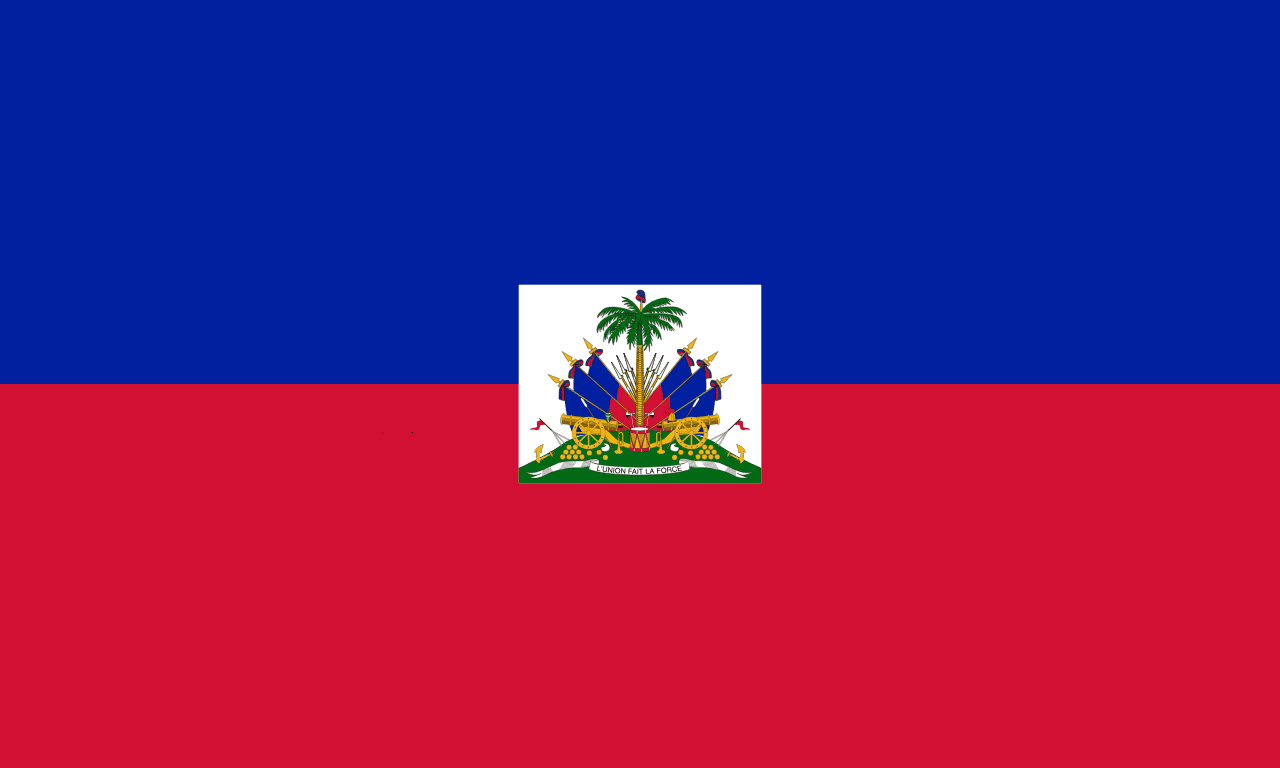
Haiti carries a history unlike any other nation on earth. The first Black republic, the first Caribbean state to achieve independence, and the site of the only successful slave revolution in human history — these are not footnotes but foundations of a national identity that runs deep and proud. For travelers willing to engage with complexity and seek beauty beyond comfort, Haiti offers art, landscape, history, and human warmth in extraordinary measure.
The Citadelle Laferriere is Haiti's defining monument, a massive mountaintop fortress built by Henri Christophe in the early 19th century to defend against potential French reinvasion. Perched 900 meters above the Plaine du Nord, it is the largest fortress in the Western Hemisphere and a UNESCO World Heritage Site. The climb on horseback through lush foothills is one of the Caribbean's most memorable experiences. Nearby, the ruins of Sans-Souci Palace — once the grandest royal residence in the Americas — stand in haunting contrast to the aspirations that built them.
Port-au-Prince, the capital, is chaotic and challenging, but its cultural life is remarkable. Haiti's art scene is world-renowned — the Naive and Primitivist painting traditions produced work now held in major international collections. The neighborhood of Petion-Ville has galleries, restaurants, and a creative energy that persists despite everything.
The northern coast around Cap-Haitien offers beautiful beaches at Labadie and Cormier — white sand, clear water, and a quietness that belies their proximity to a major city.
Haitian food is bold and distinctive. Griot — fried marinated pork served with pikliz, a fiery pickled cabbage slaw — is the national dish. Rice and beans, akra (malanga fritters), and fresh fruit juices round out a cuisine that is underappreciated internationally.
Haiti is not a destination for everyone, but for those who come with open eyes and an open mind, it reveals a country of profound dignity and astonishing creative spirit.