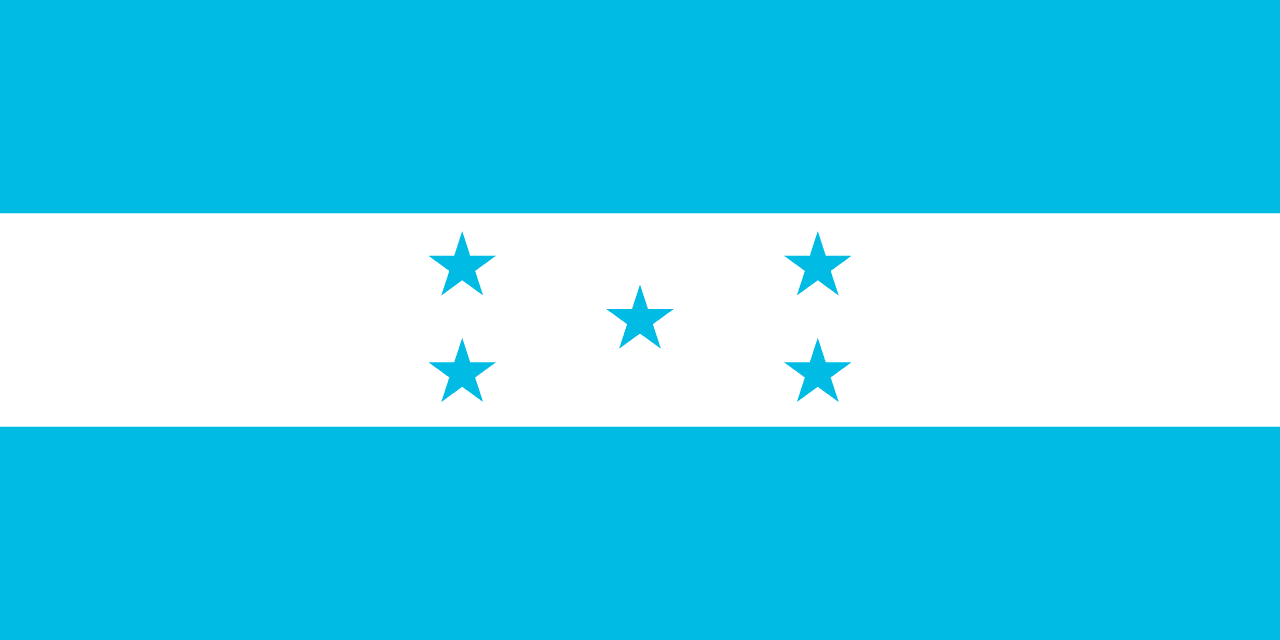
The History of Honduras: From Ancient Times to Today
🌐 Translate:
# The History of Honduras: From Ancient Times to Today
Nestled between the Caribbean Sea and the Pacific Ocean, Honduras is a land steeped in intricate history and rich cultural heritage. Its story is one of resilience, transformation, and the enduring spirit of its people. To truly understand this Central American nation, we must journey back to ancient times, traverse through the epochs of colonialism, independence, and modern challenges, and reflect on how these intertwined narratives have shaped the Honduras we know today.
## Ancient Times: The Land of the Maya
Long before European powers set their sights on the Americas, the region now known as Honduras was home to a vibrant tapestry of indigenous cultures. Among the most prominent were the Maya, who thrived in the area from around 300 BCE to 900 CE. The Maya civilization, with its advanced understanding of astronomy, mathematics, and architecture, constructed impressive city-states such as Copán, which today stands as a UNESCO World Heritage site.
Copán, nestled in the western part of Honduras near the Guatemalan border, was once a bustling hub of culture and politics. It boasted magnificent temples, intricate stelae, and an elaborate ball court, all of which tell tales of a society deeply connected to the cosmos and their gods. The Maya engaged in complex rituals, made offerings to their deities, and kept meticulous records of celestial events. Their hieroglyphics, preserved in stone, reveal a civilization that valued knowledge and artistry.
However, the Maya civilization was not without its challenges. By the 10th century, many southern cities experienced decline due to factors like climate change, warfare, and resource depletion. As the great cities fell into obscurity, other cultures began to flourish. The Lenca, another indigenous group, became prominent, particularly in the highlands of western Honduras, where they established their own social structures and traditions, some of which endure to this day.
## The Arrival of the Spaniards: The Colonial Period
Fast forward to the 16th century. The Age of Exploration brought European powers to the shores of Central America, and in 1524, the Spanish conquistador Hernán Cortés set out for the region. His path led not only to Mexico but also into the heart of Honduras. The conquest was marked by brutal encounters with indigenous populations, who resisted the invaders with fierce tenacity. The Spanish sought gold, silver, and land, leading to the exploitation of the native peoples.
One of the most notable figures in this period was the Spanish explorer Cristóbal de Olid, who claimed the territory for Spain. The Spanish established settlements, but their colonization efforts faced strong resistance from the Lenca and other indigenous groups. The bravery of leaders like Lempira, a Lenca chief, became legendary. In the 1530s, Lempira united various tribes to resist the Spanish, leading to a series of skirmishes. Despite his eventual death in battle, Lempira’s legacy endures as a symbol of resistance against oppression.
The colonial period was not solely marked by conflict; it also ushered in a blend of cultures. The Spanish imposed their language, religion, and customs while simultaneously adopting elements of indigenous traditions. Cities like Tegucigalpa and Comayagua emerged as cultural and administrative centers, reflecting a blend of Spanish colonial architecture and indigenous influence.
## Struggles for Independence: The 19th Century
The winds of change began to blow across the Americas in the early 19th century as revolutions against colonial rule erupted throughout the continent. In 1821, Honduras declared its independence from Spain, a momentous event celebrated every September 15. However, the euphoria of independence was short-lived. Honduras became part of the Mexican Empire under Agustín de Iturbide, but as the empire crumbled, the country found itself in a precarious position.
The subsequent years saw Honduras navigating a complex web of political instability and fragmentation. It became part of the United Provinces of Central America, a federation that sought to unite Central American states but ultimately dissolved in 1838 due to internal conflicts. During this tumultuous period, various caudillos (military leaders) emerged, vying for power and control, contributing to a climate of instability that would characterize much of the 19th century.
One pivotal figure during this time was Francisco Morazán, a liberal leader and advocate for Central American unity. Morazán’s vision for a united Central America clashed with the conservative factions that sought to maintain traditional structures. His leadership, although initially celebrated, ultimately faced challenges, leading to his exile and the fragmentation of the region.
## The Banana Republic Era: Late 19th to Early 20th Century
As the dust settled from the chaotic independence period, the late 19th century marked a shift in Honduras’s economic landscape. The arrival of foreign investment, particularly from the United States, transformed the country into a profitable “banana republic.” American companies, notably the United Fruit Company, established massive banana plantations, bringing infrastructure and jobs but also exploitation and environmental degradation.
This era was characterized by the influence of foreign interests in Honduran politics, often leading to the manipulation of local governance. The term “banana republic” emerged to describe the political instability and corruption that ensued, as foreign corporations wielded power over local economies and governments. The United States intervened in various political crises, often supporting military coups to protect its business interests.
The socio-economic impact on the Honduran populace was profound. While the elites benefitted from foreign investments, the majority remained impoverished, leading to growing discontent. Labor movements began to emerge, setting the stage for future struggles for workers’ rights and social justice.
## The Mid-20th Century: Political Turmoil and Reform
As the 20th century progressed, Honduras faced profound political upheaval and societal changes. The 1950s and 1960s were marked by a series of coups and countercoups, driven by both internal discontent and external influences. In 1954, a U.S.-backed coup ousted President Jacobo Árbenz in Guatemala, setting a precedent that would resonate in neighboring countries, including Honduras.
In 1963, a military coup led by General Oswaldo López Arellano overthrew the elected President Ramón Villeda Morales. This marked the beginning of an era dominated by military rule, characterized by human rights abuses, censorship, and repression of dissent. However, even amid these challenges, grassroots movements for social reform began to take shape, advocating for land reform and labor rights.
An essential turning point came in the late 1970s and early 1980s, as the country found itself embroiled in the Cold War dynamics of Central America. The U.S. intensified its involvement in the region, providing military aid to counter leftist movements. Honduras became a strategic base for U.S. operations against Sandinista Nicaragua, leading to increased militarization and further entrenchment of military power in the political sphere.
## The Road to Democracy: Late 20th Century
By the late 1980s, the winds of change were blowing once more. The region witnessed a wave of democratization, and in 1982, Honduras transitioned back to civilian rule, electing Roberto Suazo Córdova as president. This shift marked a new chapter in Honduran history as the country began to grapple with the legacy of military rule while striving to build democratic institutions.
However, the road to democracy was fraught with challenges. Corruption, poverty, and inequality persisted, undermining the progress made. The aftermath of Hurricane Mitch in 1998, a devastating natural disaster, further strained the country’s resources and tested the resilience of its people. The hurricane led to immense loss of life and displacement, exacerbating existing socio-economic disparities.
## The 21st Century: A Nation in Transition
As Honduras entered the 21st century, it faced a confluence of challenges and opportunities. The political landscape remained tumultuous, punctuated by a coup in 2009 that ousted President Manuel Zelaya, a move that sparked widespread protests and international condemnation. The coup deepened divisions within the country and led to increased violence and instability.
Despite the tumult, the people of Honduras have demonstrated remarkable resilience. Grassroots movements advocating for social justice, human rights, and environmental protection have gained momentum. Women, in particular, have emerged as powerful voices in the fight for equality and change. The struggles for land, labor rights, and indigenous sovereignty continue to shape the national dialogue.
Today, Honduras grapples with migration challenges, as many citizens seek a better life in other countries, particularly the United States. Economic hardship, violence, and lack of opportunities drive thousands to make the perilous journey north. Yet, amid these challenges, the spirit of Honduras endures—a testament to the strength and determination of its people.
## Conclusion: The Heart of Honduras
The history of Honduras is a complex tapestry woven from the threads of ancient civilizations, colonial encounters, struggles for independence, and the pursuit of democracy. From the majestic ruins of Copán to the vibrant culture of its cities today, Honduras is a nation that has weathered storms and emerged with a resilient heart.
As we reflect on its past, we recognize that the journey of Honduras is far from over. The stories of its people, their dreams, and their struggles continue to shape the narrative of this remarkable nation. In navigating its future, Honduras stands at a crossroads, poised to embrace the possibilities of renewal and transformation. The history of Honduras is not merely a chronicle of events, but a living story—a story that echoes the enduring spirit of its people, reminding us of the power of resilience and hope in the face of adversity.