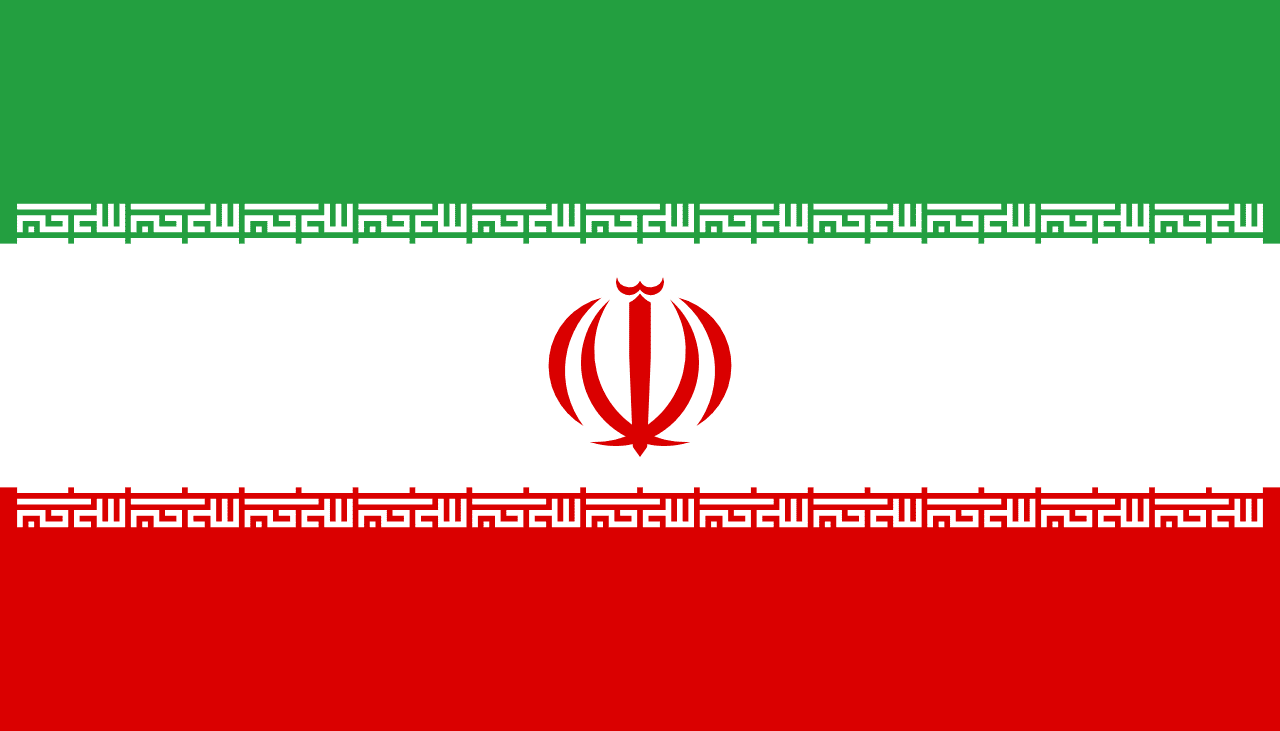
Iran: Ancient Civilisation, Persian Poetry and the Art of Ta'arof
🌐 Translate:
Iran is the heir to one of the oldest continuous civilisations on earth. Persia — the empire whose cultural and political influence stretched from Greece to India — produced architecture at Persepolis that still astonishes visitors, poetry by Rumi and Hafez that is still read daily by millions, and a tradition of miniature painting, carpet weaving, and metalwork that shaped the visual culture of half the world. The Islamic Republic that governs modern Iran is forty years old. The civilisation beneath it is three thousand.
Persian poetry is not a historical curiosity in Iran — it is a living practice. Iranians of all backgrounds can quote Hafez and Rumi from memory with the ease that educated Westerners might quote Shakespeare — and with considerably more daily frequency. Yalda Night, the winter solstice celebration, involves families gathering to read Hafez aloud and eat pomegranates and watermelon until midnight. Poetry is the social glue that holds the culture together across its many political and religious divisions.
Ta'arof is the elaborate Persian system of ritual courtesy that governs social interactions. When you offer to pay and someone declines, you offer again, they decline again, you offer a third time — and only then is the actual negotiation beginning. When invited to eat and you say you are not hungry, you will be fed regardless. When complimented, you deny the compliment and attribute the good fortune to your host. Ta'arof is not dishonesty. It is a system for maintaining dignity and respect in social interactions through a shared ritual language that everyone understands.