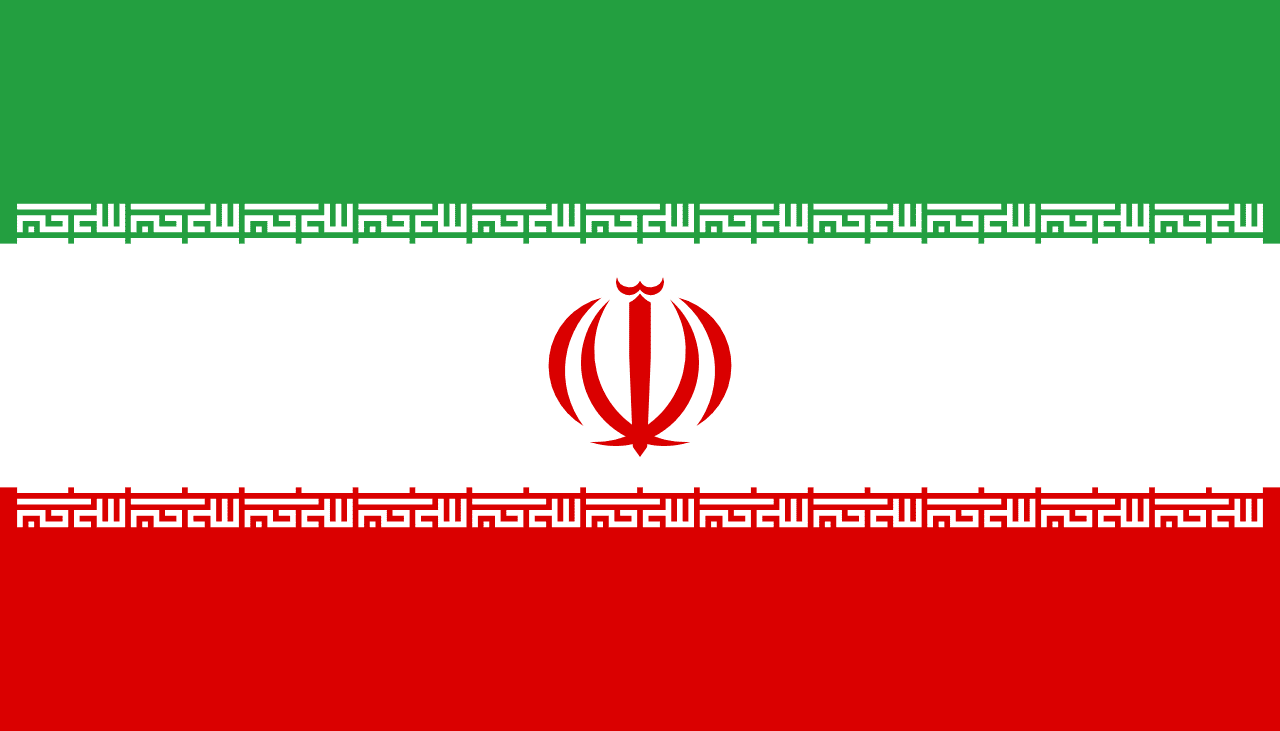
The lush landscapes of Iran, from the mountainous terrains of the Alborz to the sun-baked plains of Khuzestan, create a rich tapestry that is mirrored in its culinary culture. Each region is steeped in history and tradition, and the food reflects the country's diverse heritage. As I wandered through bustling bazaars, with the aroma of spices swirling around me, I was transported to a world where food is not just sustenance but an experience that binds families and communities. Iranian cuisine is a vibrant palette of flavors, colors, and textures that tell the story of a nation, one dish at a time. Join me as I explore ten traditional Iranian dishes that you must try.
First on our culinary journey is **Ghormeh Sabzi**. This fragrant stew is often considered the national dish of Iran, and for good reason. The base of Ghormeh Sabzi consists of tender chunks of lamb or beef, infused with a medley of herbs such as parsley, cilantro, and fenugreek, alongside kidney beans and the essential dried lime that gives it a unique tang. The stew is served with rice, often adorned with barberry for a pop of color and a slight tartness. The taste is a delightful balance of savory and sour that dances on your palate. You’ll often find Ghormeh Sabzi being served at family gatherings or in restaurants throughout the country, and each region seems to have its own variation. The best place to enjoy this dish is in a cozy eatery in Tehran, where families gather around steaming plates, sharing laughter and stories.
Next is **Fesenjan**, a dish that is as luxurious as it is flavorful. This rich stew combines duck or chicken, slow-cooked in a luscious sauce of ground walnuts and pomegranate molasses. The result is a deep, nutty flavor with a sweet and sour profile that is simply exquisite. When I first tasted Fesenjan at a traditional Persian wedding, I was captivated by its complexity and richness. The dish is often served during special occasions, making it a symbol of hospitality and celebration. If you have the chance, seek out a family-run restaurant in Isfahan, where the locals swear by their grandmother’s secret recipe.
No exploration of Iranian cuisine would be complete without **Kebab**, a dish that holds a special place in the hearts of Iranians. There are countless varieties, but **Joojeh Kebab**, made from marinated chicken, grilled to perfection, is a favorite. The chicken is marinated in saffron, lemon juice, and yogurt, which keeps it tender and flavorful. Served with rice and grilled tomatoes, it’s a quintessential dish at picnics and gatherings. The smoky aroma wafts through the air as the kebabs sizzle on the grill, making it impossible to resist. I remember sitting on the banks of the Caspian Sea, sharing Joojeh Kebab with friends, the simple joy of good food and company wrapping us in warmth.
Moving on to a dish that represents the heart of Iranian hospitality, we have **Zereshk Polo**. This fragrant saffron rice is garnished with barberries, which add a burst of tartness, making each bite a delightful surprise. Traditionally paired with chicken, Zereshk Polo is a staple during celebrations and family gatherings. The rice is fluffy, and the golden hue from the saffron is a feast for the eyes as much as the palate. I first encountered this dish during a family dinner in Shiraz, where the vibrant colors of the food mirrored the colorful gardens of the city. It’s a dish that tells the story of love and togetherness, making it a must-try for any visitor.
Next, we venture into the world of **Dolmeh**, which are stuffed vegetables, usually grape leaves or peppers, filled with a savory mixture of rice, ground meat, and herbs. The combination of flavors is comforting and satisfying, and the presentation is simply beautiful. Dolmeh can be enjoyed as an appetizer or a main dish, often accompanied by a drizzle of yogurt. I had the pleasure of tasting these delightful parcels at a bustling street food stall in Tabriz, where the vendor skillfully wrapped each one with care, ensuring that every bite was packed with flavor.
Another dish worth mentioning is **Ash Reshteh**, a hearty noodle soup that is often served during the Persian New Year, Nowruz. This soup is a celebration of ingredients, filled with beans, lentils, vegetables, and herbs, and is topped with a dollop of kashk (fermented whey) for richness. The flavors mingle beautifully, creating a comforting bowl that warms the soul. On a chilly evening in Tehran, I stumbled upon a small eatery where the aroma of Ash Reshteh wafted through the air. Sitting with locals, I watched as they enjoyed this communal dish, sharing laughter and warmth with every spoonful.
As we continue our culinary adventure, we encounter **Tahchin**, a Persian rice cake that is both a visual delight and a culinary marvel. Layered with saffron, yogurt, and chicken or lamb, it is baked to create a golden crust that is crispy on the outside yet soft and fluffy on the inside. The combination of flavors in Tahchin is nothing short of heavenly. I first tasted this dish at a family gathering in Yazd, and the love and care put into its preparation were evident in every bite. It’s a dish that brings people together, often enjoyed during special occasions and gatherings.
For dessert, one cannot miss **Baklava**, a sweet pastry that has won hearts across the globe, but in Iran, it takes on a unique flair. Made with layers of phyllo dough, nuts, and a sweet syrup flavored with rose water, Iranian baklava is delicately sweet and aromatic. Each bite is a melt-in-your-mouth experience. I discovered this treat at a charming café in Kashan, where the owner proudly shared the secret behind his family’s recipe, which had been passed down through generations. It is customary to serve baklava with tea, making it the perfect way to end a meal and indulge in a moment of sweetness.
Lastly, we explore the vibrant world of **Persian Rice**, or **Tahdig**, which is not just a dish but an experience in itself. The crispy layer of rice at the bottom of the pot is considered the centerpiece of any Iranian meal, often fought over by eager diners. The rice is typically flavored with saffron, and the texture is fluffy, creating a perfect foundation for stews and kebabs. At a family dinner in Shiraz, I witnessed the moment of unveiling the pot, the sound of crunching tahdig filling the room with anticipation. It’s a symbol of culinary pride, representing the love and effort that goes into cooking in Iranian culture.
As I reflect on my culinary journey through Iran, I can’t help but marvel at the vibrant culture that is interwoven with its food. Each dish tells a story, from the ingredients sourced from local markets to the traditional methods of preparation that have been cherished for generations. If you find yourself in Iran, seek out the bustling bazaars, where spices and fresh produce abound, or the street stalls that serve up fragrant kebabs and warm bread. Family-run restaurants offer authentic flavors that are steeped in tradition, and no meal is complete without the warmth of Iranian hospitality.
In conclusion, the food of Iran is a reflection of its rich history and diverse culture. Each dish is a celebration of flavors, colors, and shared experiences that create lasting memories. Whether you are savoring a comforting bowl of Ash Reshteh or indulging in a sweet piece of baklava, you are partaking in a culinary tradition that binds people together. So, take a leap into the world of Iranian cuisine, and let your taste buds embark on a journey that will awaken your senses and warm your heart.