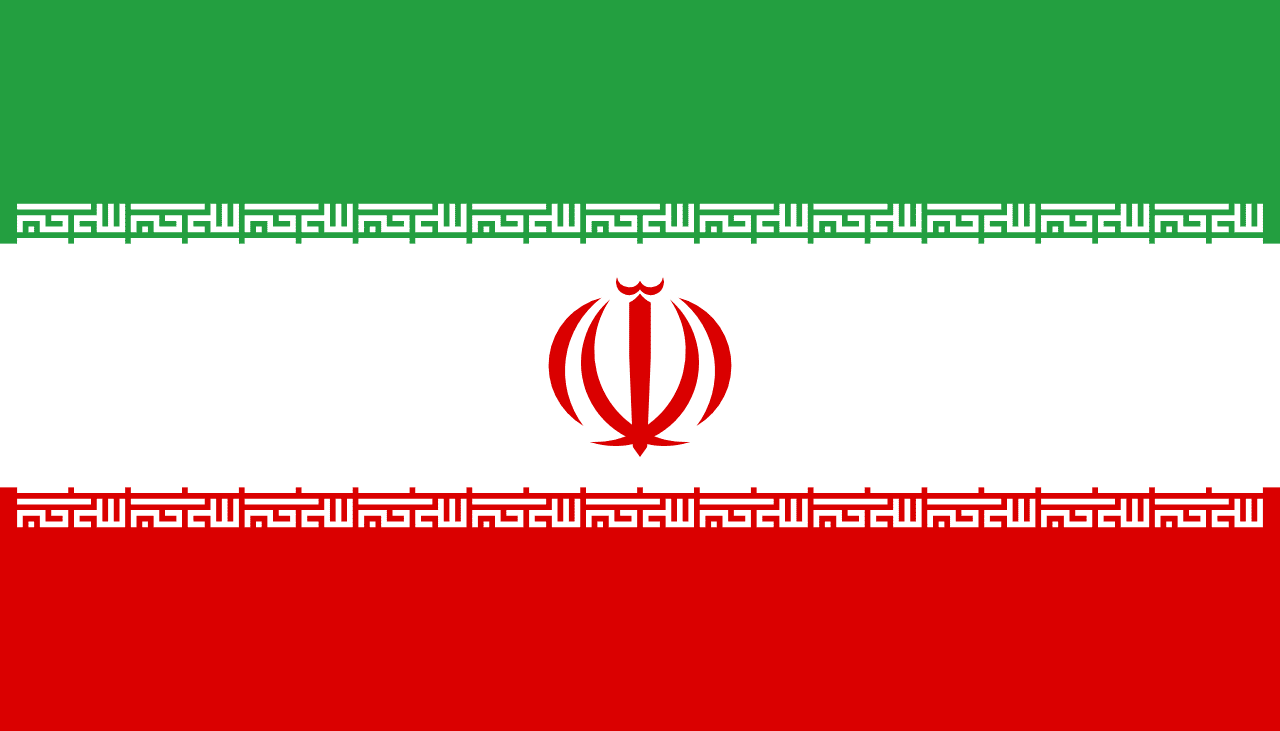
# The History of Iran: From Ancient Times to Today
The story of Iran is one woven with threads of glory, upheaval, and resilience, harking back to ancient civilizations that thrived in the embrace of rugged mountains and vast plains. From the majestic peaks of the Zagros Mountains to the arid expanses of the Dasht-e Kavir, Iran has long been a land of cultural confluence and innovation. To journey through Iran's history is to traverse the annals of one of the world's oldest continuous civilizations, rich with tales of empires that rose and fell, thinkers who challenged the status quo, and a people whose spirit has endured through centuries of change.
## Ancient and Indigenous History
The history of Iran begins in the far reaches of the prehistoric age, with the earliest known inhabitants of the region dating back to the Paleolithic era. Archaeological findings in areas like the Zagros Mountains reveal evidence of human activity, including the famous site of Tappeh Marlik, where artifacts and burial mounds speak of a sophisticated society that practiced agriculture and animal husbandry.
By around 3200 BC, the Elamite civilization emerged in the southwest of what is now Iran, marking the dawn of a regional power. The Elamites, who spoke a language isolate and developed their own script, thrived alongside their more famous neighbors, Mesopotamia. They engaged in trade, warfare, and cultural exchange, leaving behind an invaluable heritage that included intricate pottery, monumental architecture, and an impressive pantheon of deities.
As time marched on, the Iranian plateau became the stage for the rise of the Medes, a confederation of tribes that began to coalesce around the 7th century BC. Under King Cyaxares, the Medes unified their power and laid the foundations for the mighty Persian Empire. Yet, it was in the 6th century BC that this legacy would truly come to fruition with the emergence of the Achaemenid Empire.
## The Achaemenid Empire: A Pinnacle of Civilization
The Achaemenid Empire, founded by Cyrus the Great in 559 BC, marked a watershed moment in Iranian history. With a vision that surpassed mere conquest, Cyrus sought to build a multi-ethnic empire where diverse cultures could coexist. His proclamation of human rights, inscribed on the Cyrus Cylinder, is considered one of the world’s earliest declarations of individual freedom.
As the empire expanded, it absorbed vast territories stretching from the Indus Valley to the Mediterranean. The Achaemenids were known for their innovative administrative practices, establishing the concept of satrapies—provinces governed by local rulers—under a centralized authority. This system allowed for the efficient management of resources and the integration of diverse peoples.
Among the notable kings was Darius the Great, who not only expanded the empire’s borders but also undertook monumental projects, including the construction of the Royal Road, which facilitated trade and communication. The establishment of Persepolis as a ceremonial capital epitomized the empire's grandeur, showcasing stunning palaces adorned with intricate reliefs that celebrated the empire’s cultural diversity.
However, the Achaemenid Empire was not invincible. In 330 BC, it fell to the relentless ambition of Alexander the Great, marking the beginning of a new chapter in Iranian history. The flames of Persian culture, however, were far from extinguished.
## The Hellenistic Period and the Parthian Empire
Following Alexander's conquest, the region became part of the Hellenistic world. The Seleucid Empire, founded by one of Alexander's generals, ruled over much of Iran. Yet, this foreign rule could not suppress the enduring spirit of the Persian people. Over the centuries, various local dynasties emerged, culminating in the rise of the Parthian Empire in the 3rd century BC.
The Parthians, known for their cavalry and archery skills, resisted both Roman and Seleucid influences, establishing a powerful realm that stretched across the Iranian plateau and into parts of the Near East. Their capital, Ctesiphon, became a hub of commerce and culture, attracting scholars, artisans, and merchants from far and wide.
Notable figures of this era include Mithridates I, who expanded Parthian territory and fostered cultural exchanges with the Hellenistic world. The clash between the Romans and Parthians would define much of this period, as the two powers vied for supremacy in the region.
## The Sassanian Empire: A Cultural Renaissance
The ascent of the Sassanian Empire in the 3rd century AD marked a renaissance for Persian culture. Founded by Ardashir I, the Sassanian dynasty sought to restore the glory of the Achaemenids. Unlike their Parthian predecessors, the Sassanians emphasized a centralized state, promoting Zoroastrianism as the state religion which became a pivotal influence on Iranian identity.
Under the reign of Khosrow I, known for his patronage of the arts and sciences, the Sassanian Empire flourished. Poetry, philosophy, and architecture reached new heights, producing luminaries such as the poet Ferdowsi, whose epic, the "Shahnameh," would immortalize Persian history and mythology. This period also saw the construction of magnificent palaces and fire temples, showcasing advanced engineering and artistry.
However, the Sassanian Empire faced challenges from both within and outside its borders. The rise of Islam in the 7th century AD proved to be a seismic shift. The Sassanian Empire succumbed to the Arab conquests, leading to a profound transformation in the region. The fall of the empire in 651 AD marked the beginning of a new era, as Iran was gradually transformed into an Islamic society.
## The Islamic Golden Age and Persian Identity
With the advent of Islam, Iran found a new identity. Over the centuries, Persian scholars, poets, and scientists made remarkable contributions to the Islamic Golden Age. The likes of Avicenna (Ibn Sina) and Omar Khayyam emerged, leaving an indelible mark on philosophy, mathematics, and medicine.
The Persian language experienced a renaissance during this period, with the emergence of beautiful literary forms such as ghazals, which blended personal emotion with intricate metaphors. The 10th-century poet Rumi became a beacon of mysticism and spirituality, his works transcending borders and resonating with audiences around the globe.
The Seljuks, Mongols, and Safavids were among the various dynasties that ruled over Iran in the subsequent centuries. Each contributed to the tapestry of Iranian history, with the Safavid dynasty in the 16th century heralding the establishment of Shi'ism as the state religion, further cementing a distinct national identity.
## The Colonial Era and the Struggle for Independence
The 19th century brought about significant challenges for Iran as it faced encroachment from colonial powers like Britain and Russia. The Qajar dynasty, weakened by internal strife and external pressures, found itself embroiled in conflicts that would reshape its destiny. The Treaty of Turkmenchay in 1828 exemplified the humiliation faced by Iran, ceding territory and sovereignty to foreign powers.
Amidst growing discontent, a wave of reformist movements emerged in the early 20th century, culminating in the Constitutional Revolution of 1905. Intellectuals, merchants, and ordinary citizens rallied for democratic reforms, culminating in the establishment of a constitutional monarchy. However, these aspirations would be met with resistance from both traditionalists and foreign powers, paving the way for continued instability.
## The Formation of Modern Iran
The 20th century heralded a new chapter, particularly with the rise of Reza Shah Pahlavi in the 1920s. Seeking to modernize Iran and centralize power, he initiated a series of reforms that transformed the country’s political, economic, and social fabric. The construction of railways, modernization of the military, and promotion of secular education were among his significant contributions.
However, the Shah’s authoritarian rule and Western alignment alienated many segments of society. By the late 1970s, dissent simmered, culminating in the Iranian Revolution of 1979. The overthrow of the Shah and the establishment of the Islamic Republic under Ayatollah Khomeini marked a radical shift in Iran's political landscape. What began as a movement seeking democracy morphed into a theocratic government, echoing the complexities of Iranian identity and history.
## Iran Today: Resilience and Change
Today, Iran stands at a crossroads, grappling with the challenges of modernization, economic sanctions, and a quest for national identity. The 21st century has seen waves of protests, demands for reform, and a continued struggle for civil liberties. The country remains rich in cultural heritage, with its people fiercely proud of their history and contributions to civilization.
Iranian society is marked by its diversity, with various ethnic groups coexisting within its borders, each contributing to the nation’s rich tapestry. From the bustling bazaars of Tehran to the historic sites of Isfahan and Shiraz, Iran continues to be a land of beauty, intrigue, and resilience.
As the world watches with bated breath, the future of Iran remains uncertain yet laden with possibilities. The spirit of a civilization that has weathered millennia of change endures, and as history has shown, the narrative of Iran is far from over.
In the grand tapestry of human history, Iran's story is a testament to the enduring power of culture, the complexity of identity, and the unyielding quest for freedom. The echoes of its past resonate today, reminding us that history is not just a collection of events, but a living, breathing entity that shapes the present and inspires the future.