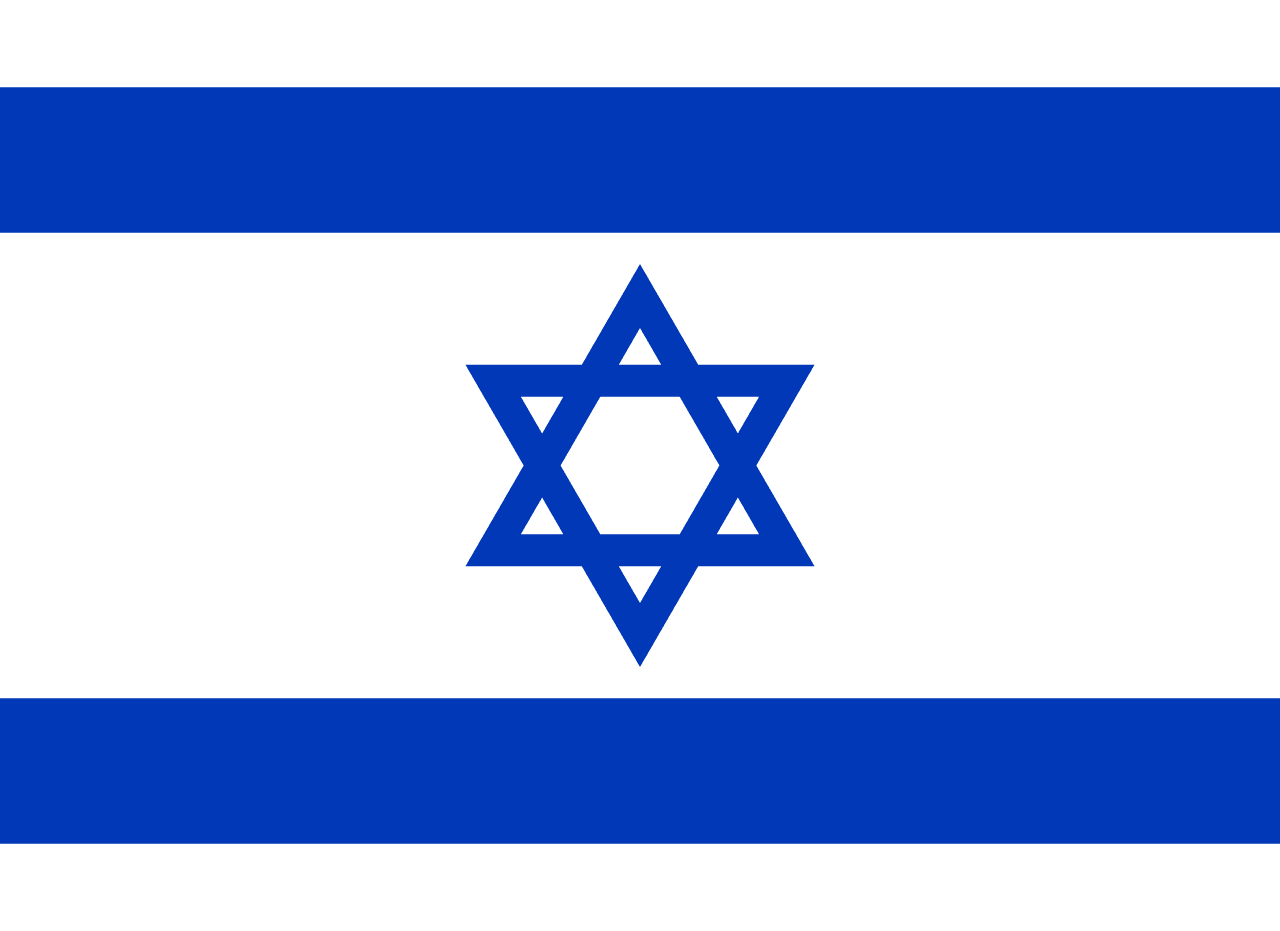
Israel: Ancient and Ultra-Modern in the Same City Block
🌐 Translate:
Tel Aviv was founded in 1909 on sand dunes outside Jaffa and has become, in little more than a century, one of the world's most energetic cities — a Mediterranean city of beaches, outdoor markets, nightlife that runs until dawn, and a startup ecosystem that has produced more tech companies per capita than anywhere else outside Silicon Valley. It is called the Startup Nation for documented reasons. The city does not feel ancient because it is not. It is relentlessly modern in a way that surprises visitors expecting a country defined by its Biblical geography.
Jerusalem, an hour away, contains the opposite density of time. The Old City's four quarters — Jewish, Muslim, Christian, Armenian — are packed with sites sacred to three religions within a space you can walk across in twenty minutes. The Western Wall, the Church of the Holy Sepulchre, the Dome of the Rock, and the Via Dolorosa are within minutes of each other. The concentration of sacred significance in so small a space creates an atmosphere unlike any other place on earth — whether you are religious or not, you feel it.
Hummus in Israel is a national obsession and a minor diplomatic flashpoint — several neighbouring countries claim the dish as their own, and the debate is conducted with a heat that suggests the ownership of a chickpea paste matters significantly to everyone involved. What is undeniable is that Israeli hummus, eaten fresh with olive oil, whole chickpeas, and fresh pita for breakfast, is extraordinary. The disputes about origin do not diminish the dish.