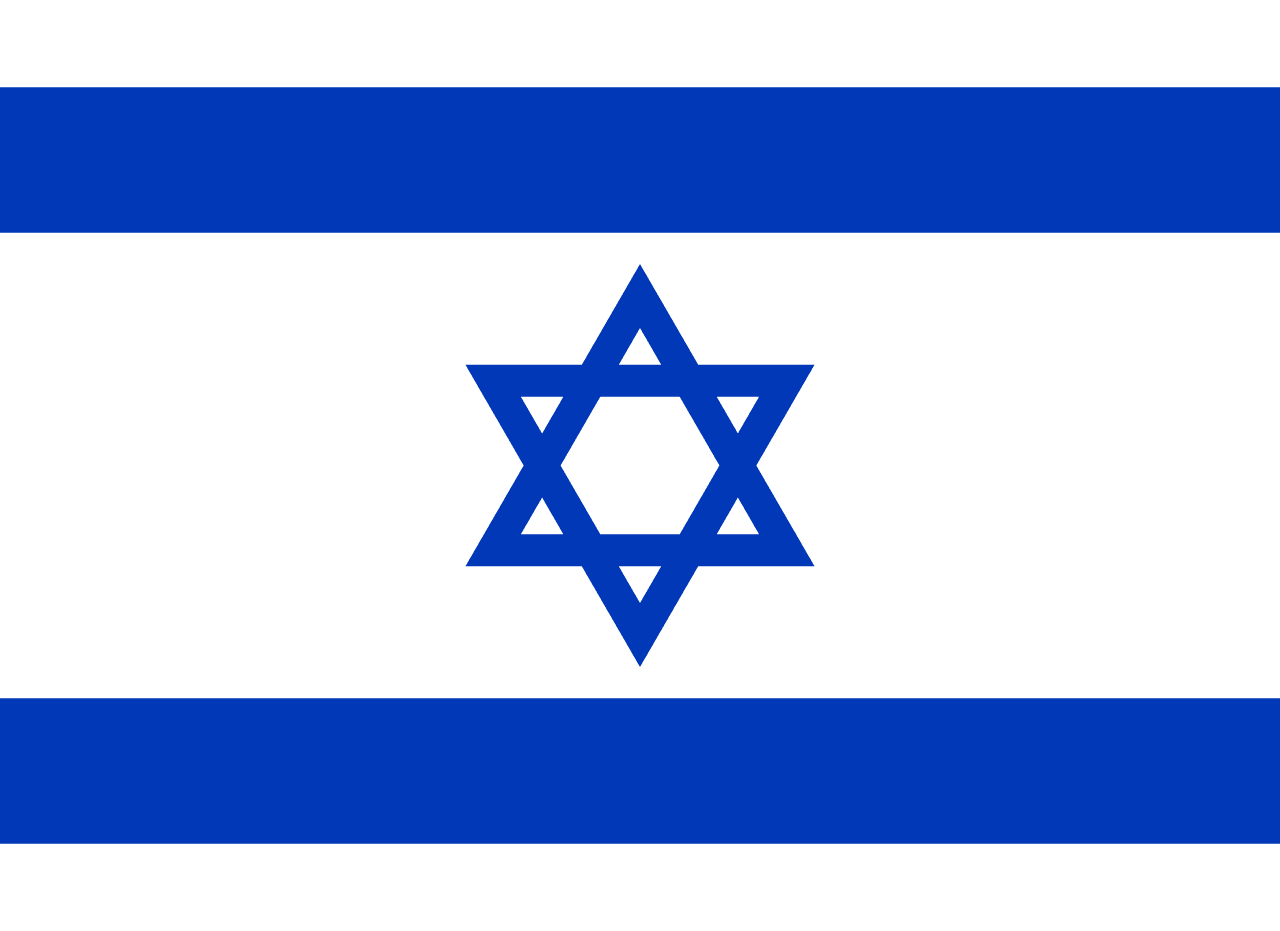
What It's Really Like to Live in Israel
Living in Israel is an experience that blends the vibrancy of its ancient history with the hustle and bustle of modern life. As someone who has spent years immersing myself in its culture, I can tell you that every day is a unique adventure. From the diverse landscapes to the rich tapestry of society, Israel offers a lifestyle that is both exhilarating and challenging.
Daily life in Israel is a mix of the mundane and the extraordinary. A typical day often starts early; many people rise with the sun. The Mediterranean climate encourages this rhythm, especially during the summer months when the heat intensifies by mid-morning. As I sip my morning coffee—usually a strong, dark brew called "café hafuch"—I can hear the sounds of the bustling city waking up. In Tel Aviv, the streets are alive with the energy of joggers, cyclists, and early risers heading to the beach.
Public transportation is a lifeline for many, and riding the bus or train is part of daily life. The Egged bus system runs extensively, and for a nominal fee (around 5-10 shekels depending on your destination), you can traverse the country. The light rail in Jerusalem and the new Tel Aviv Metro have made commuting a bit easier, but traffic can be notoriously congested. It’s not uncommon to hear the phrase “s’alich, ma’aseh” (excuse me, what’s the matter?) when someone is trying to navigate their way through the crowded streets.
The cost of living in Israel can be daunting. Housing, especially in cities like Tel Aviv, is quite expensive. A small apartment can easily set you back 5,000 to 8,000 shekels (approximately $1,500 to $2,400) a month. However, this price is somewhat offset by shared living arrangements, a common practice where friends or families will rent a larger space together. Grocery prices can also be steep; staples like bread and eggs cost more than in many other countries. For example, a loaf of whole grain bread might cost you around 8 shekels (about $2.50), and a dozen eggs is often priced around 20 shekels ($6). Despite these costs, the vibrant local markets—shuks—offer fresh produce at reasonable rates, fostering a sense of community as people haggle and chat.
Food culture is one of the most colorful aspects of life in Israel. The cuisine is a delicious blend of Middle Eastern flavors, Mediterranean influences, and immigrant traditions. You can't live here without savoring a great falafel or shawarma. A typical meal at a local eatery might cost you between 30-50 shekels ($10-$15), and I often find myself gravitating towards a small, family-run falafel stand just a few blocks from my apartment. The owner knows my order by heart: a pita stuffed with crispy falafel, fresh salad, pickles, and a drizzle of tahini.
The culinary scene is also shaped by the country's diverse population. You’ll find restaurants serving everything from Ethiopian to Russian cuisine, reflecting the many waves of immigration that have shaped Israeli society. On Friday nights, the aroma of freshly baked challah fills the air as families prepare for Shabbat. Many secular Jews also observe this tradition, turning it into a communal affair filled with joy, laughter, and, of course, plenty of food.
Social customs are a key part of everyday life in Israel. The culture embraces warmth and hospitality, and nothing showcases this better than the concept of “hakarat hatov,” or gratitude. People often invite friends and family over for meals, and it’s common to bring a small gift, like flowers or dessert, as a gesture of appreciation. The phrase “b’seder” (it’s okay) is frequently used to ease any discomfort or to assure someone that a situation is under control.
Family life in Israel is deeply valued. Most Israelis prioritize their families and spend significant time together, whether through shared meals, outings, or celebrations. The extended family unit is prevalent; it’s not unusual for grandparents to live nearby and play an active role in their grandchildren's lives. Family gatherings, especially during holidays like Passover or Rosh Hashanah, are lively affairs filled with music, laughter, and abundant food.
Work culture in Israel differs significantly from many Western countries. The workforce is characterized by a strong entrepreneurial spirit, and the tech sector is booming. Israel is often dubbed the “Startup Nation,” and the atmosphere in many offices reflects this. Workdays are typically long, spanning 9 to 10 hours, but there's a sense of flexibility; it's common for employees to take breaks for coffee or even to head to the beach during lunch. The phrase “yalla, let’s go!” captures the can-do attitude that prevails in many workplaces.
Weekends in Israel are a time for relaxation and connection. Friday afternoons are magical, as the entire country slows down in preparation for Shabbat, which begins at sundown. Many people go to the beach, congregating with friends and family, enjoying the sunset, and sharing laughter over good food. Saturday is typically spent in a leisurely manner; parks, cafes, and markets come alive with people enjoying their day off. In Jerusalem, you might find families picnicking near the Western Wall, and in Tel Aviv, the beaches are filled with sunbathers and surfers.
The weather in Israel significantly shapes life here. With hot summers and mild winters, outdoor activities are a big part of the culture. The scorching summer days draw locals to the nearest beach or pool, while winter invites hiking trips or visits to the snow-capped Golan Heights. During the summer months, a typical day can see temperatures soar above 30 degrees Celsius (86 degrees Fahrenheit). The locals embrace the sun; you’ll see everyone from children playing in the sand to older couples relaxing with a good book.
However, there are challenges to living in Israel. The political climate can be tense, and discussions about security and the Israeli-Palestinian conflict are often part of everyday conversation. This can be jarring for newcomers who are not accustomed to such open discussions about sensitive subjects. Moreover, the fast-paced lifestyle can lead to stress; balancing work and personal life might be challenging, particularly in a society that values hard work and success.
Despite these challenges, there are many positives to living in Israel that make it a truly special place. The sense of community is palpable; you’ll find that people are quick to help their neighbors and lend a hand when needed. The cultural richness of the country—its music, art, and history—is astounding. Museums such as the Israel Museum in Jerusalem and the Tel Aviv Museum of Art showcase an incredible array of talent and creativity.
Foreigners often find themselves most surprised by the openness of Israeli society. The directness in communication can be unexpected. For example, Israelis are known for their frankness; they often say what they mean and mean what they say. This can be refreshing but might initially come off as rude to those unaccustomed to it. Another surprise is the diversity in daily life—Israeli society is a melting pot of cultures, and this plurality is evident in everything from food to dialects spoken on the streets.
Living in Israel is a journey that offers a mix of excitement, challenges, and warmth. It is a place where ancient history meets modern innovation, where every corner has a story to tell. From the bustling markets to the tranquil beaches, it’s a country that leaves an indelible mark on your heart. Whether you’re indulging in a hearty meal, spending time with family, or navigating the complexities of work, life in Israel is a vibrant tapestry woven with experiences that will stay with you long after you leave.