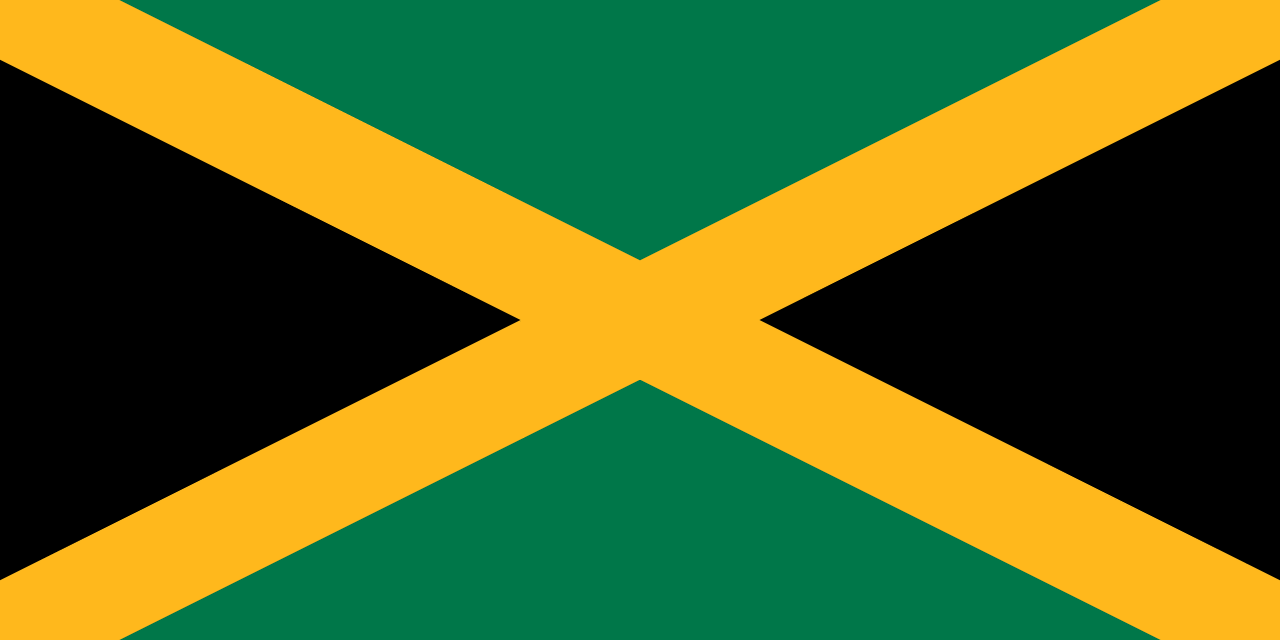
Jamaica: Where Reggae, Rastafari and Jerk Cooking Changed the World
🌐 Translate:
Jamaica is a small island of 3 million people that has had an influence on global culture entirely out of proportion to its size. Reggae music — built on the Jamaican rhythm section tradition, the influence of American R&B, and the lyrical tradition of Rastafari — spread across the world in the 1970s through the work of Bob Marley in a way that made Jamaica's social reality globally audible. The concerns of the Jamaican poor — oppression, solidarity, spiritual liberation — became the soundtrack of liberation movements from South Africa to Argentina.
Rastafari began in Jamaica in the 1930s as a religious movement that identified Haile Selassie I, Emperor of Ethiopia, as a divine figure. Its theological claims are specific but its cultural influence has been far broader — the dreadlocks, the red-gold-and-green colours, the cannabis spirituality, the dietary practices of Ital food — all of these entered global culture through Rastafari. The movement began in the slums of Kingston and speaks to diasporic Black experience across the world.
Jerk cooking — meat marinated in a paste of scotch bonnet peppers, allspice, thyme, garlic, and ginger, then slow-cooked over pimento wood — is the cooking method that Jamaicans brought with them across the world and that has influenced grilling and barbecue culture on every continent. The original jerk was cooked by Maroon communities — enslaved Africans who had escaped into the mountains and built free communities — who developed the technique over centuries in the Jamaican interior. The flavour is unmistakable and irreplaceable.