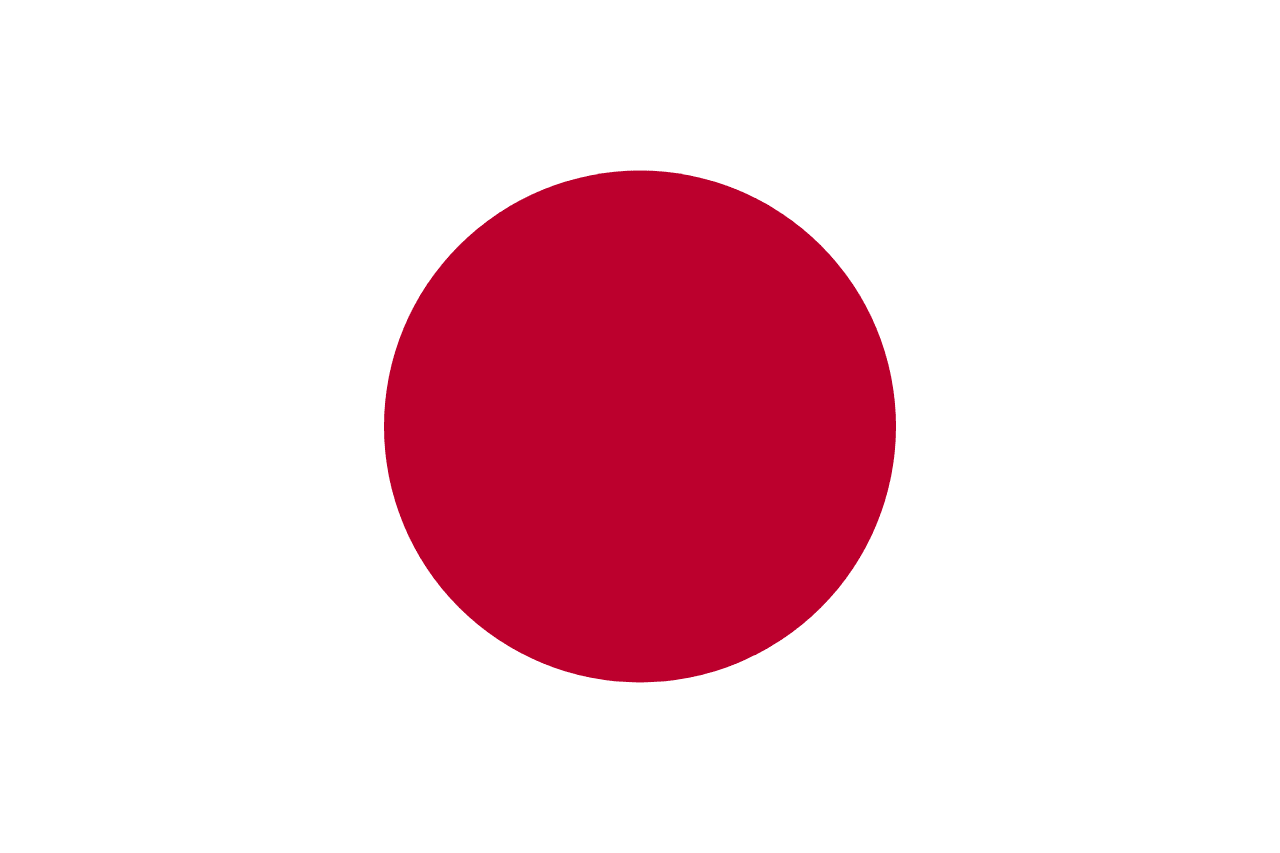
What It's Really Like to Live in Japan
When I first arrived in Japan, I was captivated by the harmonious blend of ancient traditions and cutting-edge modernity. From bustling city streets to tranquil temples, every corner of this island nation has its own unique story to tell. As someone who has lived here for several years, I want to share a glimpse into everyday life in Japan—an experience that is as rich as it is multifaceted.
Daily life in Japan begins early, often before the sun has fully risen. The country is famous for its punctuality, and this is evident in the morning rush. As I step outside my apartment, I am greeted by the sound of cicadas buzzing and the faint aroma of morning coffee from the neighborhood café. Public transport is the lifeblood of urban Japan, and you’ll find the trains running like clockwork. A monthly commuter pass can cost anywhere from 10,000 to 20,000 yen (around $90 to $180), depending on the distance. The Shinkansen, or bullet train, is another marvel, whisking passengers across the country at breathtaking speeds, making travel both efficient and seamless.
Japan’s cost of living varies significantly depending on where you are. Living in Tokyo, for instance, can be quite expensive; rent for a one-bedroom apartment in the city center averages around 150,000 yen (approximately $1,350) per month. However, if you venture to smaller cities like Fukuoka or Nagoya, the same apartment may cost half as much. Groceries can also add up quickly—fresh vegetables and seafood are particularly pricey, with a kilogram of tomatoes costing around 400 yen ($3.60) and a sushi platter at a decent restaurant starting at 2,000 yen ($18). Yet, convenience stores, or konbini, play a vital role in daily life, offering affordable meals and snacks. A bento box from a konbini can cost as little as 600 yen ($5.40), making it a popular choice for a quick lunch.
Food culture in Japan is one of its most fascinating aspects. From bustling izakayas to Michelin-starred restaurants, the culinary scene is incredibly diverse. On any given day, I might start my morning with a traditional Japanese breakfast of grilled fish, miso soup, rice, and pickled vegetables. Lunchtime often means heading to my favorite ramen shop, where a steaming bowl topped with chashu pork, green onions, and a perfectly cooked egg is just a slurp away for about 800 yen ($7.20). Dinner can be a social affair, especially on Fridays when friends gather at izakayas to unwind over drinks and small plates of yakitori, tempura, and sashimi. Eating out is relatively affordable, and it’s common to see groups sharing dishes, which fosters a sense of community and connection.
Social customs in Japan might seem complex at first, particularly for newcomers. Bowing is the customary greeting, and the depth of the bow generally signifies the level of respect. Phrases like “Arigatou gozaimasu” (thank you) and “Sumimasen” (excuse me) are essential in everyday interactions. It’s also important to be mindful of the concept of “wa,” or harmony, which emphasizes group cohesion and avoiding confrontation. For example, in a conversation, it’s considered polite to let others speak first and to show agreement through nodding or simple affirmations.
Family life in Japan varies widely, but one prevailing trend is the cultural importance of familial bonds. Many families still adhere to traditional roles, with the husband working long hours and the wife often managing the household. However, changing social dynamics have led to an increase in dual-income households. Family outings often include visits to shrines during New Year’s or summer festivals, where children can enjoy games and food stalls. The phrase “Okaasan, watashi no koto o suki desu ka?” (Mom, do you love me?) is a common playful phrase children use, which brings smiles to parents’ faces.
Work culture in Japan is another significant aspect of life here. Japanese companies are known for their rigorous work ethic, and the concept of “karoshi,” or death by overwork, has gained attention in recent years. Employees often work long hours, sometimes averaging 10 to 12 hours a day, which can lead to a poor work-life balance. However, there is a growing movement towards better work practices, with some companies adopting flexible schedules and promoting mental health awareness. The phrase “shikataganai,” which translates to “it cannot be helped,” reflects the acceptance of situations that are beyond one’s control, often in the workplace. This mindset can be both positive and negative, depending on the context.
Weekends offer a reprieve from the fast-paced workweek. Many locals take to parks and mountains for outdoor activities or enjoy the vibrant shopping scenes in cities. One of my favorite weekend rituals involves exploring the local food markets, where I can pick up fresh produce and homemade treats. Visiting a nearby onsen (hot spring) is also a popular way to unwind; the soothing waters and beautiful surroundings provide a refreshing escape. The vibrancy of seasonal festivals, such as cherry blossom viewing in spring or fireworks displays in summer, adds a special touch to weekend plans. A day spent at a hanami picnic under the blooming sakura trees, complete with homemade sushi and drinks, is an experience that captures the heart of Japanese culture.
Weather plays a crucial role in shaping life in Japan. The country experiences four distinct seasons, each bringing its own charm and challenges. Spring is characterized by the iconic cherry blossoms. Summer can be hot and humid, often leading to outdoor festivals and beach trips. Autumn, with its breathtaking fall foliage, draws locals into nature, while winter blankets northern regions in snow, ushering in ski season. The weather also influences daily habits; for instance, during summer, you’ll see people wearing yukatas (light cotton kimonos) at festivals, while winter brings out the cozy layers and hearty nabe (hotpot) dishes.
While living in Japan is indeed a dream for many, it does come with its challenges. Language can be a significant barrier, especially for those not fluent in Japanese. Simple tasks like grocery shopping or asking for directions can become daunting without a basic understanding of the language. Fortunately, many resources are available, including language schools and online courses. Loneliness can also be an issue for foreigners, particularly in smaller towns where the expat community may be limited. However, participating in local events and language exchanges can help bridge that gap.
On the other hand, life in Japan is filled with positives. The sense of safety and cleanliness is unparalleled; walking alone at night is a common occurrence, and public spaces are meticulously maintained. The people are generally polite and helpful, always willing to lend a hand if you need assistance. I’ve found that the Japanese people value relationships, and the bonds formed here tend to be deep and meaningful.
One of the most surprising aspects for foreigners is the level of hospitality, known as “omotenashi.” It’s not just about providing service; it’s about anticipating needs and going above and beyond. I’ve been to restaurants where the staff remember my name and preferences, and I’ve experienced the warmth of a home-cooked meal from a neighbor who barely speaks English.
In conclusion, everyday life in Japan is a beautiful tapestry woven from tradition, culture, and modernity. It’s a place where the past and present coexist, where community matters, and where the simple pleasures of life are celebrated. From the flavors of its cuisine to the rhythm of its seasons, Japan has captured my heart, and for anyone considering a move here, I can assure you that you will find both challenges and joys—each contributing to an exceptional experience that will stay with you long after you leave.