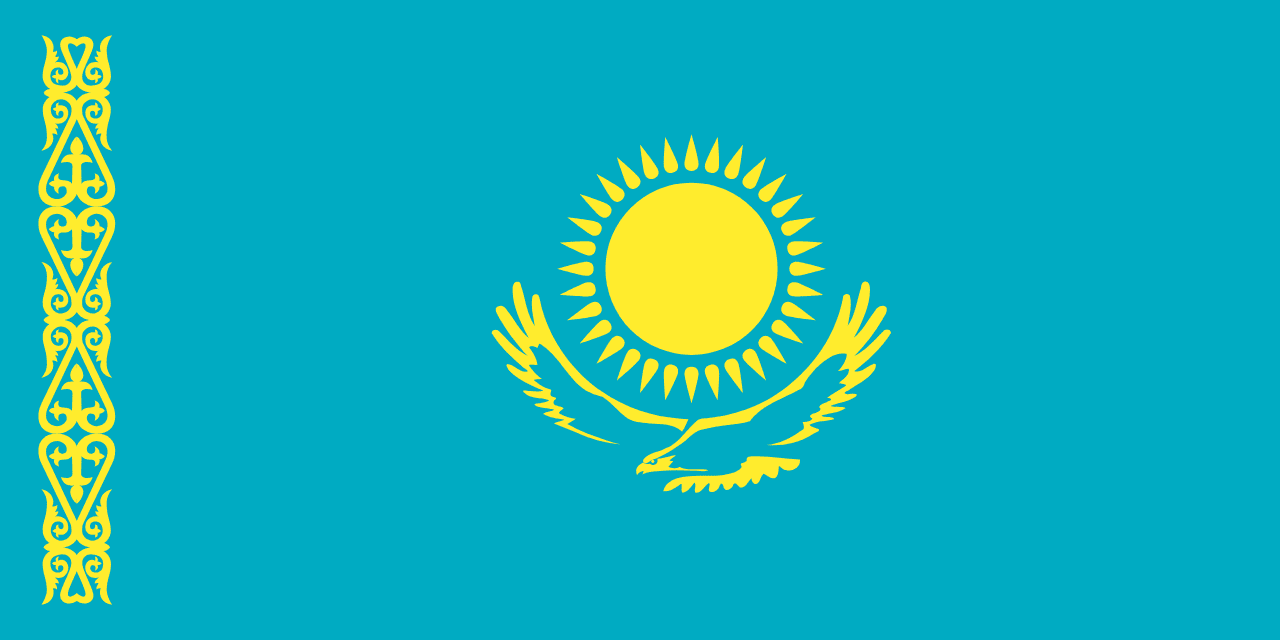
Kazakhstan, the world's largest landlocked country, is a treasure trove of culture and tradition that stretches from the sprawling steppes to the majestic mountains. Its culinary landscape reflects a rich tapestry woven from the threads of nomadic heritage, ancient trade routes, and modern influences. As I traveled through this vast land, I was enveloped by the warm aromas of cooking meats, the sweet scent of freshly baked bread, and the hearty flavors that define Kazakh cuisine. Each dish tells a story—stories of survival, celebration, and the deep connection between the people and their land. In this culinary journey, I’ll share ten traditional dishes that you simply must try when exploring the rich flavors of Kazakhstan.
First on my list is **Beshbarmak**, a dish that translates to "five fingers" in Kazakh, referencing the traditional way of eating it—by hand. This hearty dish is typically made with boiled lamb or beef, served over broad, flat noodles, and generously topped with a rich onion sauce. The meat is tender and flavorful, having been cooked slowly to absorb all the aromatic spices and herbs. As I sat in a cozy yurt, surrounded by locals, I savored every bite of this beloved dish, experiencing the warmth of hospitality that Kazakh culture is known for. Beshbarmak is often served during significant events like weddings or family gatherings, embodying the spirit of togetherness and celebration.
Next up is **Kazy**, a traditional sausage made from horse meat. It’s a delicacy that reflects the nomadic roots of the Kazakh people. The meat is seasoned with garlic and spices before being stuffed into a sheep casing and then boiled or smoked. The flavor is rich and distinct, with a slightly chewy texture that makes every bite a unique experience. I came across Kazy at a local market, where vendors proudly displayed their artisanal versions. It’s often served as a festive dish during celebrations, embodying the deep respect Kazakhs have for the horse, which has played an integral role in their history and way of life.
Another must-try dish is **Plov**, or pilaf, which is a staple across Central Asia. In Kazakhstan, it’s made with fragrant rice, juicy chunks of meat (often lamb or beef), carrots, and a blend of spices that create a tantalizing depth of flavor. The first bite I took transported me to a world of warmth and comfort; the rice was fluffy, the meat succulent, and the spices beautifully balanced. I discovered that plov is often prepared for special occasions—particularly on Fridays—and shared among family and friends, highlighting the communal aspect of Kazakh dining. There’s something incredibly heartwarming about sharing a large dish of plov with loved ones, surrounded by laughter and storytelling.
For those with a sweet tooth, **Baursak** is an indulgent treat you can’t miss. These fluffy, golden-brown doughnuts are made from a simple mixture of flour, yeast, sugar, and milk, then deep-fried to perfection. Each bite is soft and slightly sweet, often enjoyed with jam, honey, or even served alongside tea. I stumbled upon a street vendor selling fresh, warm baursak, and I couldn’t resist trying some. The joy of biting into a warm, airy baursak while chatting with friendly locals left a lasting impression. Traditionally, baursak is served during celebrations or holidays, symbolizing the hospitality of the Kazakh people.
Another delightful dish is **Manti**, which are steamed dumplings usually filled with minced meat, onions, and spices. The dough is thin and delicate, allowing the flavors of the filling to shine through. Each bite was a burst of flavor, with the savory meat perfectly complemented by the soft, pillowy dough. At a bustling restaurant, I watched as the cooks expertly shaped and steamed these dumplings, filling the air with an irresistible aroma. Manti is often enjoyed as a family meal or during gatherings, making it a dish steeped in traditions of sharing and togetherness.
Kazakhstan’s culinary repertoire wouldn’t be complete without **Sary Mai**, or traditional Kazakh butter. This rich, creamy butter is made from churned cream and is a staple in many dishes. I remember tasting it for the first time, slathered on warm, freshly baked bread; it was utterly divine. Sary Mai is often used in cooking or as a condiment, enhancing the flavors of various dishes. The process of making this butter is a labor of love, and it’s often shared among family and friends. It’s a testament to the Kazakh commitment to quality ingredients and the age-old techniques passed down through generations.
As I delved deeper into the flavors of Kazakhstan, I encountered **Kurt**, a traditional dried cheese ball that is both tangy and salty. Made from fermented milk, kurt is a popular snack among locals, especially while on long journeys. I found myself snacking on kurt during a picturesque hike, the chewy texture and bold flavor making it the perfect energy booster. It’s often enjoyed when visiting friends and is a symbol of hospitality, representing the Kazakh tradition of offering guests something special.
Next, I had the pleasure of trying **Shashlik**, a skewered and grilled meat dish that has found its way onto the tables of many cultures across the region. In Kazakhstan, it’s typically made with marinated lamb or beef, grilled to perfection over an open flame. The smoky aroma and charred exterior give way to juicy, tender meat that melts in your mouth. I enjoyed shashlik at a lively outdoor gathering, surrounded by laughter, music, and the warm glow of the fire. It’s often served with fresh vegetables, bread, and a tangy sauce, making it a favorite for summer picnics and gatherings.
Lastly, I can’t forget to mention **Kymyz**, a traditional fermented horse milk drink. This iconic drink is slightly tangy with a hint of sweetness and is known for its health benefits. I was curious yet apprehensive about trying kymyz for the first time, but the experience was surprisingly enjoyable. I found it refreshing, a true testament to the Kazakh connection to their equine heritage. Kymyz is often served during special occasions and celebrations, embodying the cultural significance of horses in Kazakh life.
As I reflect on my culinary journey through Kazakhstan, it’s clear that the food is more than just sustenance; it’s a reflection of a rich history, a vibrant culture, and a deep sense of community. Each dish carries with it a story, a tradition, and a warmth that invites you to gather around the table and share in the experience.
When seeking the best food in Kazakhstan, you’ll find a delightful blend of options. The bustling markets, like Almaty’s Green Bazaar, offer a feast for the senses with fresh produce, spices, and local specialties. Street stalls are perfect for grabbing quick bites of baursak or shashlik, while traditional restaurants often serve up home-cooked favorites like plov and beshbarmak. Don’t hesitate to explore local eateries and chat with the chefs; the stories behind each dish will enrich your culinary experience and deepen your understanding of Kazakh culture.
Embarking on this journey through Kazakh cuisine left me with cherished memories and a newfound appreciation for the flavors and traditions of this incredible country. Whether you’re a seasoned traveler or planning your first adventure, the food of Kazakhstan is an experience that should not be missed. So pack your bags, bring your appetite, and let the tastes of Kazakhstan take you on a flavorful journey through time and tradition.