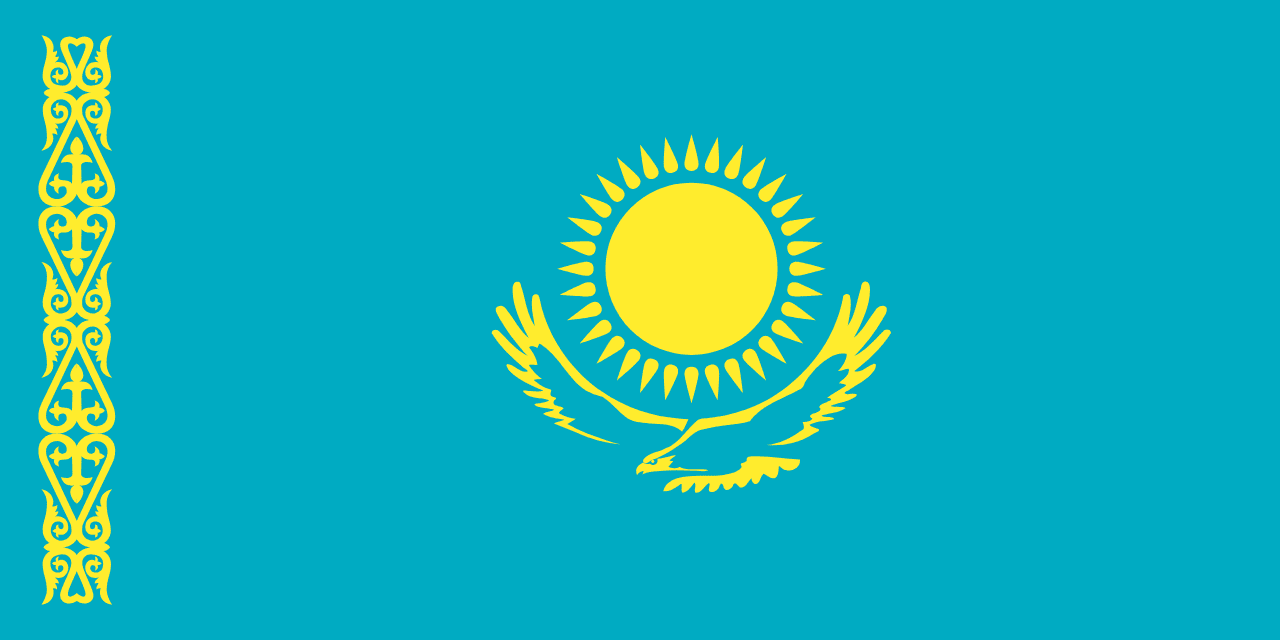
What It's Really Like to Live in Kazakhstan
Kazakhstan is a vast country that sprawls over 2.7 million square kilometers, making it the largest landlocked country in the world. Despite its size, it often remains overlooked in the realm of travel and cultural discussions. Having lived here for several years, I can say that everyday life in Kazakhstan is a rich tapestry of tradition and modernity, shaped by its diverse people and breathtaking landscapes. I’d love to share an honest perspective on what it’s like to call this incredible country home.
Daily life in Kazakhstan is a blend of the practical and the picturesque. In urban areas like Almaty and Nur-Sultan, life buzzes with energy. Mornings often begin early; the scent of freshly baked bread wafts through the air as local bakeries open their doors. You can find a loaf of delicious, crusty bread for around 100 tenge (approximately 25 cents), which is a staple in every Kazakh household. The local markets, bursting with fresh produce, meat, and dairy, offer a vibrant start to any day. Bargaining is a common practice, and locals often engage in friendly banter with vendors, turning a simple purchase into a social experience.
The cost of living in Kazakhstan can be surprisingly affordable, particularly outside major cities. In Almaty, a decent apartment rental can range from 100,000 to 200,000 tenge (around $200 to $500) depending on the neighborhood and amenities. Utilities are reasonably priced, with monthly bills averaging around 20,000 tenge ($50) for a one-bedroom apartment. Public transport is an excellent option for getting around; a single ride on the metro or bus costs around 90 tenge (about 20 cents), making it easy for locals to commute. Taxis are also readily available and relatively inexpensive, with short rides costing between 1,000 and 3,000 tenge ($2.50 to $7.50).
The food culture in Kazakhstan is a delightful reflection of its nomadic heritage. Traditional dishes like beshbarmak—a hearty meal of boiled meat and noodles—are a must-try. It’s often served with a side of broth and plenty of fresh herbs. A meal at a modest restaurant can cost around 3,000 tenge ($7.50). Additionally, you can’t miss out on sampling plov, the national dish made of rice, meat, and carrots, which embodies the communal spirit of Kazakh dining. Eating together is a cherished custom, and it’s not unusual for meals to stretch for hours, filled with laughter and stories.
Social customs in Kazakhstan are deeply rooted in hospitality and respect for elders. When visiting someone’s home, it’s customary to bring a small gift, such as sweets or fruits. Upon entering, you’ll likely be offered tea or a traditional drink called kumis, made from fermented mare’s milk. It’s a unique delicacy that may take some getting used to but is cherished by locals.
Family life here is integral to the social fabric. Kazakh families tend to be close-knit, and it’s common for multiple generations to live under one roof. Family gatherings are frequent, especially during holidays and special occasions. The New Year, or Nauryz, in March is a particularly vibrant celebration, filled with traditional music, dance, and food. The phrase “Qutty bolsyn!” meaning “Happy New Year!” is exchanged among friends and family, reinforcing the sense of community.
Work culture varies significantly between sectors. In urban areas, especially in business and tech, you’ll find a more Westernized approach with an emphasis on results and efficiency. However, in more traditional settings, relationships and personal connections can profoundly influence business dealings. The workweek typically runs from Monday to Friday, with Saturdays often reserved for family time or personal projects. Punctuality is appreciated, but not always strictly observed, especially in social settings.
Weekends in Kazakhstan are often a blend of leisure and family time. Many locals enjoy hiking in the nearby Tien Shan mountains, where stunning views and fresh air provide a perfect getaway from city life. Others may spend their Saturdays visiting local parks, enjoying picnics, or strolling through bustling bazaars. The Green Bazaar in Almaty is a favorite spot for locals and tourists alike, bursting with colors and scents from fresh produce, spices, and traditional delicacies. On Sundays, families often gather for leisurely lunches, enjoying a mix of homemade dishes and local specialties.
The weather in Kazakhstan is diverse, with extreme variations depending on the season. Winters can be harsh; temperatures in Almaty can plummet to -20°C (-4°F), while Nur-Sultan experiences even colder conditions. Snow blankets the ground for several months, but it’s not uncommon to see people embrace the chill by skiing or ice skating. Summer, on the other hand, can be sweltering, with temperatures soaring to 40°C (104°F). Many locals flock to the nearby lakes and rivers to cool off. The changing seasons shape not only daily life but also the activities and traditions celebrated throughout the year.
Living in Kazakhstan comes with its challenges, but also many positives. One significant challenge is the language barrier; while younger generations often speak English, particularly in the cities, many older individuals may not. Learning a few basic phrases in Kazakh or Russian can go a long way in building connections with locals. Another challenge is the bureaucracy, which can sometimes be cumbersome, especially when dealing with permits, residency, or other legal matters.
On the flip side, the positives are plentiful. The warmth and friendliness of the people make it easy to feel at home. The country’s rich cultural heritage is palpable, with museums, theaters, and galleries showcasing both traditional and modern artistry. Additionally, Kazakhstan’s geographical diversity offers endless opportunities for exploration—from the steppes to the mountains to the vast deserts. Traveling within the country is relatively affordable, with a well-connected train system that makes it easy to visit various regions.
One of the most surprising aspects for foreigners is the depth of the traditional culture that still exists alongside modernization. Kazakh hospitality, for instance, is something that’s often talked about but must be experienced to truly appreciate. The practice of “toyi,” or celebratory feasts, is a unique fusion of cultural customs and communal joy. During these events, it’s common to see magnificent spreads of food and drink, accompanied by traditional music and dancing.
Another surprising element is the vibrant art scene. Cities like Almaty and Nur-Sultan boast numerous galleries, theaters, and cultural events that highlight the rich artistic heritage of the country. Additionally, there’s a growing wave of local artists who blend traditional Kazakh motifs with contemporary styles, creating a fascinating dialogue between the past and the present.
In conclusion, everyday life in Kazakhstan is a blend of tradition and modernity, shaped by its rich history and diverse culture. It’s a place where you can enjoy the warmth of hospitality, the flavors of delicious cuisine, and the beauty of stunning landscapes. While there are challenges—language barriers, bureaucracy—the rewards of living here far outweigh them. The experience offers a unique chance to immerse oneself in a culture that is both ancient and evolving, making it an unforgettable adventure for anyone willing to embrace it. Whether you’re a foreigner passing through or someone looking to make Kazakhstan your home, you’ll find that its heart beats warmly, welcoming you into its fold.