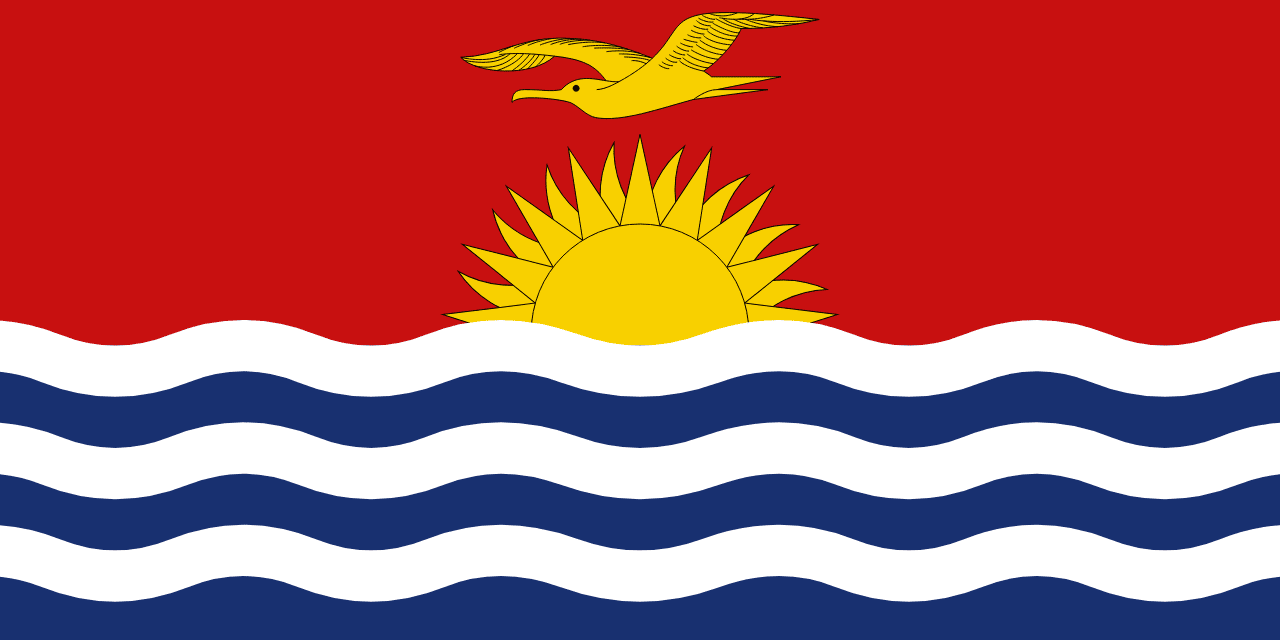
Kiribati: The Island Nation Living on the Climate Frontline
🌐 Translate:
Kiribati is spread across 3.5 million square kilometres of the central Pacific Ocean — the largest exclusive economic zone of any country relative to its land area — but its actual land is tiny: 811 square kilometres of coral atolls that average less than two metres above sea level. The country sits directly on the equator and straddles the International Date Line, making it the first country to see each new day. It also has the unwanted distinction of being among the first countries that climate change may make uninhabitable.
The Kiribati government has been purchasing land in Fiji as a possible relocation site for its 120,000 citizens if sea level rise makes the atolls unliveable. President Anote Tong spent years at international climate conferences describing the existential threat facing his country in terms that were specific and urgent rather than abstract. The communities of I-Kiribati are not waiting passively. They are building sea walls, raising road levels, and planting mangroves while also making plans to move if moving becomes necessary.
Gilbertese dance — performed at community gatherings, funerals, and celebrations — is one of the most physically demanding dance traditions in the Pacific. Performers learn intricate hand movements, facial expressions, and body positions that are precise and codified by tradition. The knowledge is passed from older to younger community members in a transmission that requires years of learning. The dances tell the history and mythology of the islands, encode navigation knowledge, and mark significant social transitions. In a culture without writing, the dances are the library.