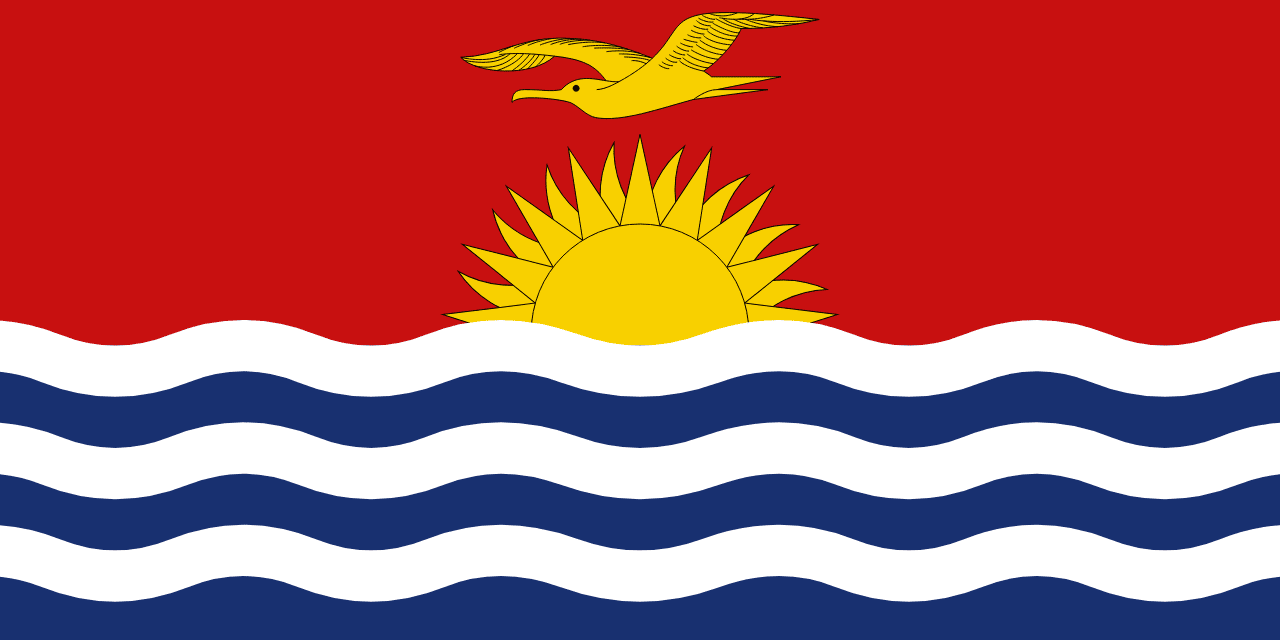
The History of Kiribati: From Ancient Times to Today
🌐 Translate:
# The History of Kiribati: From Ancient Times to Today
The sun-kissed islands of Kiribati, scattered across the vast expanse of the central Pacific Ocean, tell a story as old as the waves that rhythmically lap against their shores. A tale woven with the threads of ancient Polynesian navigation, colonial ambitions, and the quest for independence, Kiribati offers a rich tapestry of history that deserves to be explored. From its ancient origins to the vibrant nation of today, the story of Kiribati is one of resilience, cultural richness, and an enduring connection to the sea.
### Ancient/Indigenous History
The history of Kiribati begins not with the written word but with the oral traditions of its indigenous peoples. The islands are a remnant of the great Polynesian voyages, where skilled navigators, guided by the stars, ocean currents, and the flight paths of birds, traversed the vast Pacific. Settlements on the islands of Kiribati date back to around 2000 BC, primarily populated by the Micronesian people who brought with them their customs, beliefs, and agricultural techniques.
The early inhabitants of Kiribati developed a unique way of life, deeply intertwined with the Pacific Ocean. They engaged in fishing, gathering, and farming, relying heavily on the island’s resources. The people of Kiribati became adept at cultivating coconuts, breadfruit, and taro, as well as crafting tools and canoes from local materials. Their cultural identity formed around a profound respect for the environment, which they viewed not just as a resource but as a sacred entity deserving of reverence.
As time passed, the islands of Kiribati became organized into various clans and chiefdoms. Among the most notable was the clan of the Kiritimati (Christmas Island). This group played a crucial role in the social and political structures of the islands. The chiefs, or “te mauri,” were not only rulers but also spiritual leaders, guiding the community in matters of religious and cultural significance. Their leadership helped maintain order and fostered a deep sense of community among the islanders.
### The Era of Empires and Kingdoms
While Kiribati remained relatively isolated for centuries, the late 18th century marked a new chapter in its history as European explorers began to navigate the Pacific. The arrival of these explorers brought about significant cultural exchanges, but also heralded new challenges for the indigenous populations.
In 1777, Captain James Cook became one of the first Europeans to make contact with Kiribati when he visited the island of Kiritimati. His voyage opened the door for subsequent encounters, and soon the islands attracted the attention of whalers, traders, and missionaries. The introduction of Christianity in the 19th century, largely through the efforts of the London Missionary Society, had a profound impact on the social fabric of Kiribati. Traditional practices and beliefs began to intertwine with Christian teachings, leading to a gradual evolution of cultural identity.
The 19th century also witnessed the rise of competing imperial interests in the Pacific. Britain and Germany both sought to expand their influence across the region. In 1888, Britain formally declared the Gilbert Islands, part of Kiribati, a protectorate. This marked the beginning of a period in which the islands would be administered under colonial rules, fundamentally altering the lives of the indigenous peoples.
Despite this upheaval, the resilience of the islanders shone through. They adapted to the new socio-political landscape, negotiating their identities amid foreign influences. The traditional systems of governance persisted, albeit under the watchful eye of colonial authorities. The Kiribati people’s strong sense of community and connection to their land remained steadfast, providing a foundation for resistance against colonial pressures.
### The Colonial Period
The colonial era brought both advancements and adversities. The British established new administrative structures, and the islands began to see the introduction of infrastructure, schools, and healthcare systems. However, colonial rule also brought about exploitation of resources, and the imposition of foreign governance often disregarded traditional practices and leadership structures.
In the early 20th century, Kiribati became a part of the British Crown Colony of the Gilbert and Ellice Islands. This period saw the islands facing numerous challenges, including the impact of World War II. Kiribati's strategic location made it a significant military base, and during the war, the islands witnessed fierce battles between Allied and Japanese forces. The legacy of World War II left a lasting imprint on Kiribati, with remnants of military installations and the memories of the war forever etched in the collective consciousness of the islanders.
Following the war, the winds of change began to blow across the Pacific. The decolonization movement gained momentum, and a growing sense of nationalism emerged among the people of Kiribati. In 1971, the Gilbert and Ellice Islands were separated into two distinct entities, with the Ellice Islands eventually becoming what we know today as Tuvalu.
### Independence and Modern Formation
Kiribati’s path to independence was marked by a series of political developments. The 1970s were a time of awakening for the islanders, who began to assert their rights and identity. In 1975, Kiribati held its first constitutional convention, and two years later, on July 12, 1979, Kiribati officially emerged as an independent nation.
The first President of Kiribati, Teatao Teannaki, played a critical role in shaping the newly independent state. His administration focused on nurturing national pride, fostering economic growth, and strengthening international relationships. Challenges loomed large, particularly in terms of economic sustainability and environmental vulnerabilities. Kiribati, with its low-lying atolls, faced existential threats from rising sea levels due to climate change. The government prioritized sustainable practices and sought global collaboration to address these pressing challenges.
### Kiribati Today
Today, Kiribati is a unique blend of its rich cultural heritage and the challenges of contemporary governance. The nation is made up of 33 islands, primarily spread across three archipelagos, with a population of about 120,000 people. The capital, South Tarawa, is a bustling hub of activity, where traditional practices coexist with modern influences.
Culturally, Kiribati has embraced its identity, celebrating traditional dance, music, and crafts. The annual Te Mauri Festival showcases the islands’ cultural heritage, uniting communities through performances, feasting, and ceremonies. The people of Kiribati remain deeply connected to their land and sea, practicing their customs while navigating the modern world.
However, the specter of climate change looms large over Kiribati. The rising sea levels pose a continuous threat to the islands, prompting the government to prioritize environmental resilience. Kiribati has become a vocal advocate for climate action on the global stage, raising awareness about the vulnerabilities of low-lying nations and urging the international community to act before it is too late.
In recent years, Kiribati has also begun exploring innovative solutions to secure its future. Initiatives such as sustainable tourism and renewable energy projects aim to reduce reliance on external aid and build a resilient economy. The people of Kiribati, with their storied past, continue to face the future with resilience and hope.
### Conclusion
The history of Kiribati is a testament to the enduring spirit of its people. From ancient navigators who charted the vast Pacific to modern advocates for environmental justice, the islanders’ journey has been shaped by challenges, triumphs, and an unwavering connection to their culture and land. As Kiribati navigates the complexities of the 21st century, it remains a beacon of resilience, reminding us of the rich tapestry of histories that intertwine with the rhythms of the ocean. The story of Kiribati is not just one of survival but of thriving against the odds, a narrative that continues to inspire future generations.