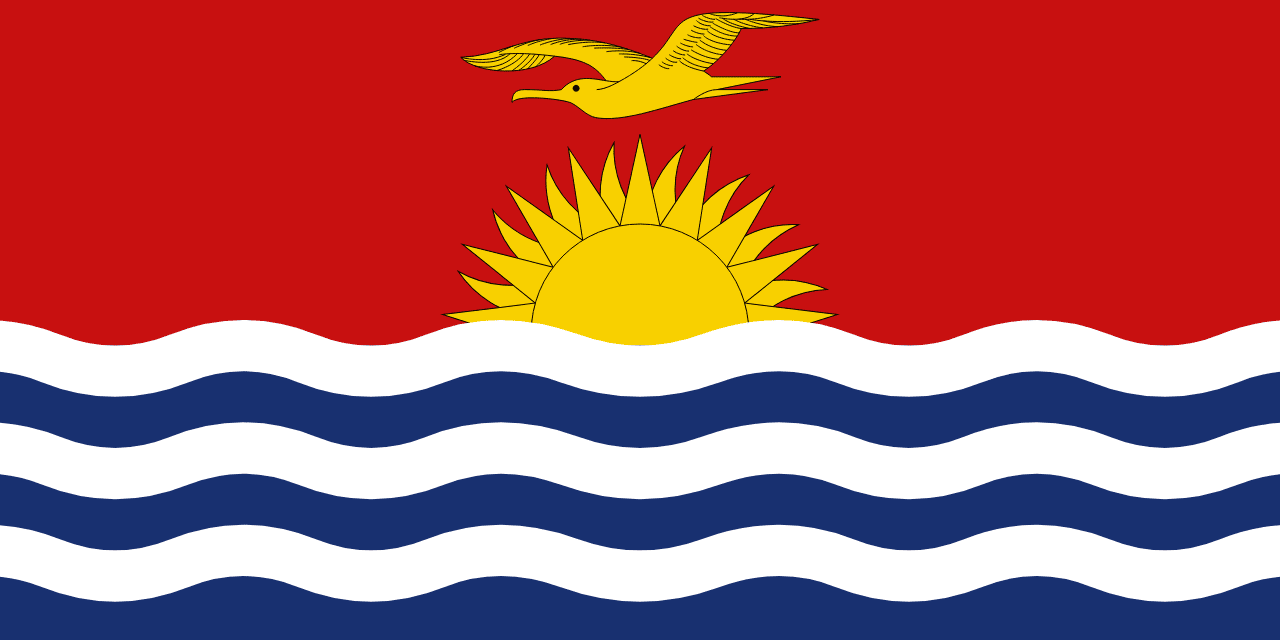
Living in Kiribati is like stepping into a vibrant postcard where the sun-kissed shores meet the azure sky, and a rich tapestry of culture weaves through daily life. As someone who has spent several years on these enchanting islands, I can assure you that life here is as unique as the islands themselves. Kiribati is not just a place on the map; it is a community where traditions run deep, and the rhythm of life is dictated by the sun and the sea.
Daily life in Kiribati is anchored in simplicity, with each day starting early, often around dawn when the sun rises over the horizon, bathing everything in a golden hue. Mornings are a time for quiet reflection or family gatherings, with the melodious sounds of nature creating a serene backdrop. Most locals begin their day with a hearty breakfast, which might consist of tebu (sugarcane) and coconut, or a fresh catch of the day, often grilled or fried, accompanied by rice. A full meal can cost as little as $2 AUD at local markets, where vendors display an array of fruits, vegetables, and fish straight from the ocean.
The cost of living here is relatively low compared to many Western countries, but this simplicity comes with caveats. While local produce is cheap, imported goods can be exorbitantly priced due to the high shipping costs. A can of Coke can set you back around $1.50 AUD, and a loaf of bread may cost around $3 AUD. The reliance on imports creates a unique challenge for residents, as they have to balance their diets with what is available locally. There are no high-end grocery stores here; instead, you'll find small markets owned by families, where you can chat with the vendors and often get recommendations on the best local produce.
Food culture in Kiribati is a delightful exploration of flavors, where the ocean is the main provider. Fish is a staple, prepared in various ways—grilled, dried, or made into a delicious coconut curry. One of my favorite local dishes is "tebuka," an irresistible mix of fish, coconut, and spices, wrapped in banana leaves and cooked in an underground oven. This is often served during communal feasts, emphasizing the islanders' strong sense of community. Sharing a meal is a sacred act here, and it is common for families to invite friends and neighbors over for gatherings, fostering a sense of belonging.
The social customs in Kiribati are deeply rooted in respect and familial ties. Greetings are an essential part of daily life. You will often hear the phrase "Mauri!" which means “life” or “welcome,” echoing through the streets as people pass one another. Handshakes are common, but you may also notice a gentle touch on the shoulder as a sign of friendship or kinship. Elders are treated with great respect, and it’s customary to greet them first in any social gathering. This respect extends beyond just words; it is reflected in how the community comes together during celebrations or times of need, emphasizing unity and support.
Family life in Kiribati is the cornerstone of society. Most households are large, with extended families living together under one roof. It is not uncommon to find three generations sharing the same space, creating a warm, bustling environment filled with laughter, stories, and, of course, the occasional bickering over chores. Children are cherished and often seen playing outside, exploring the natural beauty surrounding them, or helping their parents with gardening or fishing. Education is highly valued, and many families prioritize sending their children to school, even if it means sacrificing some comforts.
Work culture here is unique, shaped significantly by the island lifestyle. Most locals engage in fishing, farming, or tourism-related activities. The workday often starts early, with fishermen heading out before sunrise to catch fish, while others tend to their gardens or work at local shops. The pace of work is laid-back, and while deadlines exist, there is a prevailing attitude that emphasizes flexibility and quality of life over the typical hustle of urban life. This can be a cultural adjustment for foreigners used to a fast-paced environment, but it reflects the island ethos: life is best enjoyed at a slower pace, where the focus is on community and well-being.
Weekends are a cherished time in Kiribati. Many locals spend their Saturdays engaged in recreational activities, whether it be fishing, playing soccer on the beach, or just relaxing with family. Sunday is particularly sacred; it is a day of rest and worship for many. The churches here are vibrant and communal, with services that can last several hours, filled with singing, dancing, and prayer. After church, it is common for families to gather for a big meal, often involving traditional dishes and plenty of laughter.
The weather in Kiribati plays a significant role in shaping daily life. The islands enjoy a tropical climate, with warm temperatures year-round, typically ranging from 26 to 32 degrees Celsius. Rain is frequent, especially between November and March, but it usually comes in short bursts, allowing for plenty of sunny days. The sea is a constant presence, providing sustenance and serving as a recreational playground. The warm waters are perfect for snorkeling, diving, and fishing, making the beach an integral part of everyday life. However, the changing climate also poses challenges, with rising sea levels threatening the very existence of these islands and bringing about discussions on sustainability and conservation.
Living in Kiribati is not without its challenges. The reliance on imported goods often leads to price fluctuations that can strain household budgets. Access to healthcare can be limited, and while the government is making strides to improve services, resources are often stretched thin. Education, though valued, is sometimes hindered by a lack of facilities or teaching staff. Additionally, the looming threat of climate change casts a shadow over the islands, creating uncertainty for the future.
Yet, despite these challenges, life in Kiribati is filled with warmth and resilience. The community bonds are incredibly strong, and there is a profound sense of gratitude for the simple joys of life. Sunset picnics on the beach, where families gather to share stories and enjoy the show of colors in the sky, are commonplace. The beauty of the natural landscape, with its stunning coral reefs and pristine beaches, is a constant reminder of the treasures of island life.
Foreigners visiting Kiribati often find themselves surprised by the richness of the culture and the warmth of the people. The absence of commercialism can be jarring, as there are no flashy shopping malls or high-rise buildings. Instead, the charm lies in the unpretentiousness of the islands, where the pace of life allows you to truly connect with nature and those around you. Visitors may also be taken aback by how much emphasis is placed on community and family, something that can sometimes be overlooked in more urbanized settings.
Living in Kiribati is an experience that transforms the way you view life. It teaches you the value of simplicity, the importance of community, and the joy of celebrating each day as it comes. While challenges exist, they are often met with a spirit of resilience, laughter, and an unwavering connection to the land and sea. The islands may be small, but the lessons learned from the people and their way of life are profound and enduring, reminding us all of what it means to truly live.