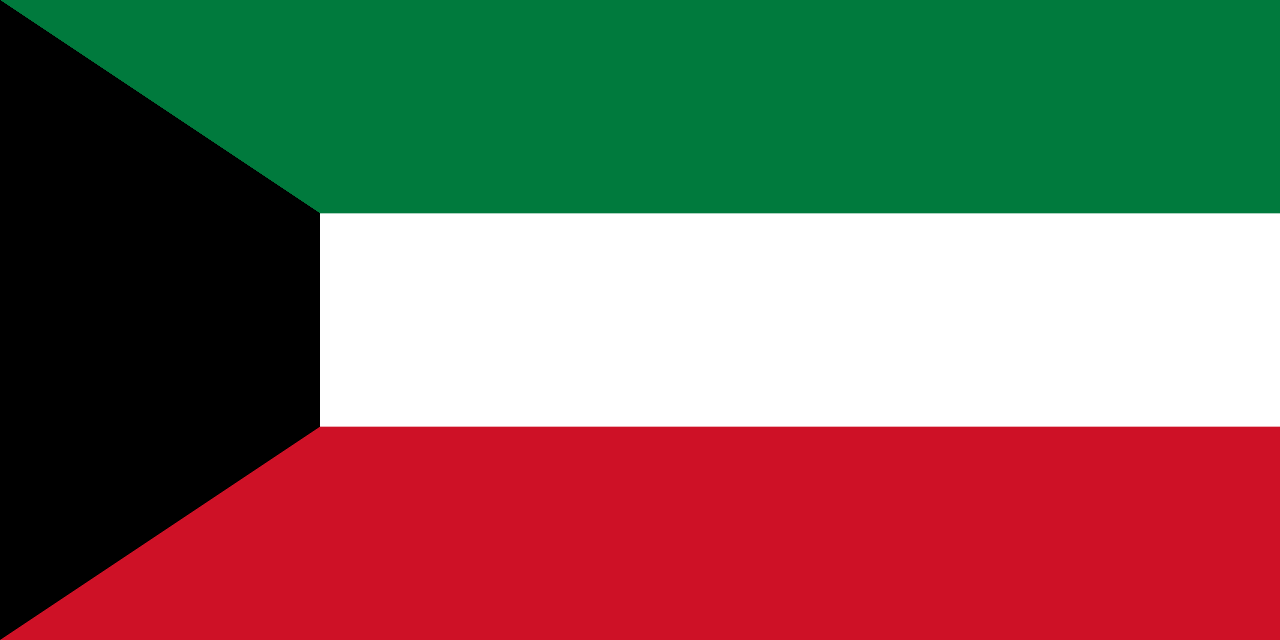
Living in Kuwait presents a unique tapestry of experiences, woven from the threads of rich cultural heritage, modern lifestyle, and the distinct challenges and rewards that come with residing in a country nestled in the heart of the Arabian Peninsula. As a long-term resident, I’ve immersed myself in everyday life here, and I’d like to share what it’s really like to live in Kuwait.
The rhythm of daily life in Kuwait often begins early, as the sun rises over the horizon, casting a golden glow on the city. Many residents, both locals and expatriates, embrace the early morning hours to beat the heat. The streets are alive around 6 AM, with people heading to work or engaging in their morning routines. Mornings in Kuwait are an ideal time for exercise, with many opting for brisk walks or jogs along the picturesque Arabian Gulf waterfront. A popular spot is the Kuwait Corniche, where families and fitness enthusiasts stroll or cycle, enjoying the fresh air before the midday heat sets in.
As for the cost of living, Kuwait is known for its relatively high standard of living, but it also offers some financial advantages. Housing tends to be one of the largest expenses. Rent for a two-bedroom apartment in a decent neighborhood can range from 400 to 800 Kuwaiti Dinars (KD), depending on the area and amenities. For instance, areas like Salmiya and Hawally are popular among expatriates due to their proximity to shopping centers and restaurants. However, many companies offer housing allowances, which can alleviate some of these costs. Utilities, including electricity and water, are generally affordable, often ranging from 20 to 50 KD monthly, thanks to the country’s oil wealth.
Kuwait’s food culture is a delightful blend of traditional Middle Eastern flavors and global influences. Dining out is a common practice, and the options are endless. You’ll find everything from local dishes like machboos (a spiced rice dish with meat) to international cuisine that reflects the multinational population. A meal at a mid-range restaurant typically costs around 6 to 10 KD, while street food, such as shawarma or falafel, is an inexpensive option, often priced between 1 to 2 KD. Weekend brunches are a beloved tradition here, with many families and friends gathering to feast on an array of dishes, including breakfast favorites like hummus, labneh, and freshly baked bread.
Social customs in Kuwait are deeply rooted in Islamic traditions, which significantly shape the daily lives of its citizens. Greetings are warm and cordial, often involving a handshake or a gentle touch on the shoulder. The phrase “Marhaban” (welcome) is commonly used. Hospitality is paramount, and it’s not uncommon for a local to invite a new neighbor over for coffee or tea to establish a connection. It’s essential to be respectful of cultural practices; for instance, during Ramadan, non-Muslims are expected to refrain from eating or drinking in public during daylight hours.
Family life in Kuwait is the cornerstone of society. Families often gather for meals, celebrations, and social events, reinforcing strong bonds. Fridays, the weekend in Kuwait, are particularly special as families come together for lunch or dinner. It’s traditional to enjoy a meal of grilled meats or seafood, often accompanied by a variety of salads and dips. During special occasions like Eid, the celebrations are grand, with families exchanging gifts and visiting one another’s homes. It’s a time filled with joy, laughter, and the sweet aroma of traditional treats like baklava and maamoul.
The work culture in Kuwait presents its own set of nuances. The typical workweek runs from Sunday to Thursday, with Friday and Saturday as the weekend. Offices typically start around 8 AM, and the day can stretch until 4 PM or later, depending on the industry. The expatriate workforce is substantial, and many professionals find rewarding opportunities in sectors such as oil, finance, and education. However, it’s not uncommon for expatriates to experience cultural differences in the workplace. Punctuality is appreciated, but the pace of work can sometimes be more relaxed than in Western countries. Building relationships is key, and it’s common for professionals to start meetings with small talk before diving into business matters.
Weekends in Kuwait are vibrant and full of activities. The local entertainment scene has grown, with shopping malls like the Avenues and 360 Mall featuring a plethora of shops, restaurants, and cinemas. People often spend their weekends shopping, dining out, or attending events. The Al-Sadu House, showcasing traditional weaving, and the Kuwait Towers are popular tourist attractions worth visiting. For those seeking outdoor activities, many families head to the desert for picnics or camping, taking advantage of the cooler temperatures during the evenings.
The weather in Kuwait plays a significant role in shaping life here. Summers can be blisteringly hot, with temperatures often exceeding 50 degrees Celsius (122 degrees Fahrenheit). Residents have learned to adapt; outdoor activities are usually limited during the day from June to September. Instead, you’ll find people enjoying the cooler evenings, dining al fresco or strolling through night markets. During the winter months, however, the weather is pleasantly mild, making it an ideal time for outdoor events, festivals, and gatherings. The annual Kuwait International Book Fair and various cultural festivals attract crowds and showcase the country’s commitment to the arts.
Living in Kuwait presents both challenges and positives. One of the more significant challenges is the limited public transportation options. While taxis and ride-sharing services like Uber are available, the majority of residents rely on personal vehicles for commuting. This can lead to traffic congestion, especially during rush hours. Additionally, navigating the bureaucratic processes for visas and permits can be frustrating for expatriates, as the regulations can be complex and time-consuming.
On the positive side, Kuwait offers a high standard of living, a safe environment, and a unique cultural experience. The country’s rich history is evident in its museums, heritage sites, and the friendliness of its people. For expatriates, there is a strong sense of community, with numerous clubs and organizations that cater to various nationalities, fostering connections and friendships.
Foreigners often find some aspects of daily life in Kuwait to be surprising. The presence of a vibrant expatriate community is notable, with people from all corners of the globe calling Kuwait home. It’s not uncommon to stroll through a shopping mall and hear a multitude of languages being spoken. The openness and friendliness of the locals can also catch newcomers off guard; many are eager to share their culture and traditions with others. Additionally, while Kuwait is a conservative Muslim country, it is also quite liberal in many respects. You’ll find a thriving nightlife scene, with many restaurants and cafes open late into the night, and a growing acceptance of diverse lifestyles.
In conclusion, life in Kuwait is a blend of tradition and modernity, where the warmth of family and community coexist with the fast-paced demands of contemporary living. From the rich food culture and social customs to the challenges and surprises that come with daily life, Kuwait is a place that continues to captivate those who choose to call it home. Whether you’re sipping a cup of strong Arabic coffee with a neighbor or exploring the vibrant markets, every day brings new experiences and opportunities to connect with this fascinating country. Living in Kuwait has been a journey of discovery, and I’m grateful for the memories and friendships that continue to shape my life here.