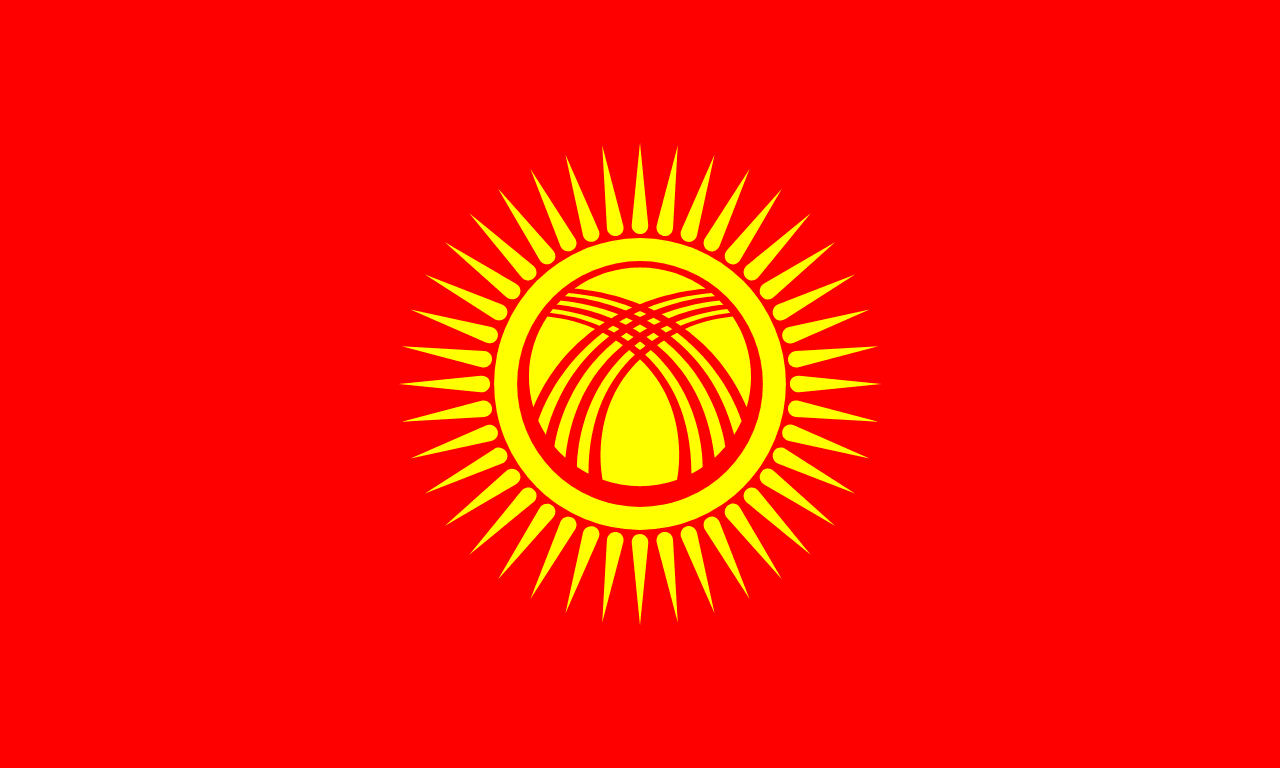
What It's Really Like to Live in Kyrgyzstan
Nestled between Kazakhstan, Uzbekistan, Tajikistan, and China, Kyrgyzstan is often overlooked by travelers and expats alike, yet it is a gem hidden in the heart of Central Asia. Having lived here for several years, I’ve come to appreciate the intricate tapestry of life that weaves together the daily experiences of Kyrgyz people and the rich culture that defines this stunning country. Though it may not be the easiest place to live, the warmth of its community and the breathtaking landscapes more than make up for any difficulties. In this blog post, I’ll take you through what everyday life is like in Kyrgyzstan, from daily routines and food culture to social customs and the challenges that come with living here.
Life in Kyrgyzstan tends to start early. The sun rises around 6 a.m., and it’s not uncommon to hear the sounds of neighbors beginning their day—doors opening, children playing outside, and the faint smell of bread baking. Locals usually begin their mornings with tea or coffee, often accompanied by a light breakfast. A typical Kyrgyz breakfast might include oily, savory pastries called “belyashi” or “syrniki,” which are fried cheese pancakes. If you’re lucky, you might even get to enjoy a traditional dish called “plov,” a hearty rice dish with meat and vegetables, although this is more common for lunch.
As you step outside, you’ll find life buzzing in full swing. In Bishkek, the capital, the streets are alive with the sounds of honking cars and vendors calling out from the bazaar. The Osh Bazaar is a must-visit, with its vibrant colors and the enticing aroma of spices wafting through the air. Here, you can find everything from fresh fruits and vegetables to handcrafted goods. Prices are unbelievably low by Western standards; you might pay around 50 som (about 65 cents) for a kilo of fresh apples or 200 som (around $2.60) for a beautiful handmade wool felt hat.
Living in Kyrgyzstan is incredibly affordable compared to many Western countries. Rent for a modest one-bedroom apartment in Bishkek can be as low as 10,000 som ($130) per month, while utilities rarely exceed 2,500 som ($33). Groceries are also affordable; a week’s worth of food for two can run you about 3,000 som ($40). Eating out is easy on the wallet, too— you can grab a hearty meal at a local restaurant for around 300 som ($4). But remember, prices can vary depending on your choice of dining; international cuisine or upscale establishments will naturally cost more.
Food culture in Kyrgyzstan reflects the country’s nomadic heritage, with an emphasis on meat, dairy, and bread. The national dish, “beshbarmak,” consists of boiled meat served over flat noodles and is often eaten with the hands, a reflection of the traditional nomadic lifestyle. When visiting a Kyrgyz home, you’ll likely be greeted with “chai” (tea) and offered traditional sweets. One common phrase you’ll hear is “Orozo keldi,” meaning “Welcome,” which sets the tone for the warmth of Kyrgyz hospitality.
Family life is central to Kyrgyz culture, and extended family often lives close by. It’s customary for young people to care for their parents as they age. On weekends, families gather for a meal, often cooking together and sharing stories. You’ll find that gatherings are filled with laughter, games, and music, creating a sense of community that is palpable. Children are cherished, and it’s common to see families out at parks or attending local events where they can indulge in traditional games and activities.
Work culture in Kyrgyzstan strikes a balance between professionalism and a laid-back attitude. The workweek typically runs from Monday to Friday, with many offices operating from 9 a.m. to 6 p.m. However, it’s not unusual for workers to enjoy long lunches, sometimes lasting over an hour, and you may find that meetings are often interrupted by shared cups of tea. The Kyrgyz people value relationships, so building trust is key in professional settings. Networking often occurs over meals, where discussions weave between business and personal anecdotes, creating a richer understanding of one another.
Weekends in Kyrgyzstan are a time for rest and celebration. Many locals escape the hustle and bustle of urban life by heading to the mountains, which are breathtakingly beautiful and just a short drive away. The Ala Archa National Park is a popular destination for hiking, picnicking, and simply soaking in the fresh air. You’ll see families and friends gathered around a grill, cooking “shashlik” (grilled meat skewers) while children run around, often chasing each other or playing local games. For those who prefer cultural activities, Bishkek offers a variety of theaters, art galleries, and concerts, allowing you to immerse yourself in Kyrgyz arts and culture.
Weather in Kyrgyzstan plays a significant role in shaping daily life. The country has a continental climate, characterized by hot summers and harsh winters. In the summer, temperatures can reach over 30°C (86°F), and life shifts outdoors. However, winter can be a stark contrast, with temperatures often dipping below -10°C (14°F). Snow blankets the landscape, creating a picturesque scene, but it also presents challenges. Transportation can become difficult, and heating homes becomes a priority. Locals adapt by dressing warmly and embracing the unique joys winter brings, like skiing in the mountains or enjoying hot “samsa” (savory pastries) from street vendors.
Living in Kyrgyzstan isn’t without its challenges. The infrastructure can be lacking, especially in rural areas. Internet connectivity may be spotty, and public transportation is often crowded and unpredictable. However, these challenges have a way of bringing the community together. Neighbors often help one another out, whether it’s sharing rides, lending tools, or simply providing companionship during tough times. The sense of community in Kyrgyzstan is one of its most beautiful aspects, where everyone looks out for each other.
On the flip side, the positives of living in Kyrgyzstan far outweigh the challenges. The landscapes are some of the most stunning in the world, with snow-capped mountains and pristine lakes. The culture is rich and vibrant, offering a unique blend of traditions that have been preserved through generations. The hospitality of the Kyrgyz people is unmatched—strangers will often greet you with a smile, and it’s not uncommon for someone to invite you over for tea simply because you crossed paths.
One of the most surprising aspects for foreigners relocating to Kyrgyzstan is the depth of the cultural heritage and the openness of the people. Many expats expect a rigid or conservative atmosphere, but instead, they find a society that is surprisingly modern and progressive, especially in urban centers. There’s a thriving expat community, and locals are generally interested in different cultures, often seeking to learn from foreigners while sharing their own traditions. The blend of traditional and modern life creates a dynamic environment that fosters curiosity and connection.
Another delightful surprise is the affordability of leisure activities. Whether you’re indulging in a weekend getaway to a yurt in the mountains, taking a horseback riding tour, or enjoying a local concert, experiences are often priced to accommodate even a modest budget. The sense of adventure is alive here, with opportunities to explore vast landscapes, experience rich traditions, and connect with kind-hearted people.
In conclusion, living in Kyrgyzstan is an adventure filled with highs and lows, but it’s an experience that shapes you in ways you cannot imagine. The breathtaking scenery, delicious food, and deep-seated traditions offer a unique lifestyle that is both enriching and rewarding. Despite the challenges, the sense of community and the beauty of the land make every day feel like a new journey. As you navigate the nuances of life here, you will surely find warmth, friendship, and a sense of belonging in one of Central Asia’s most enchanting countries.