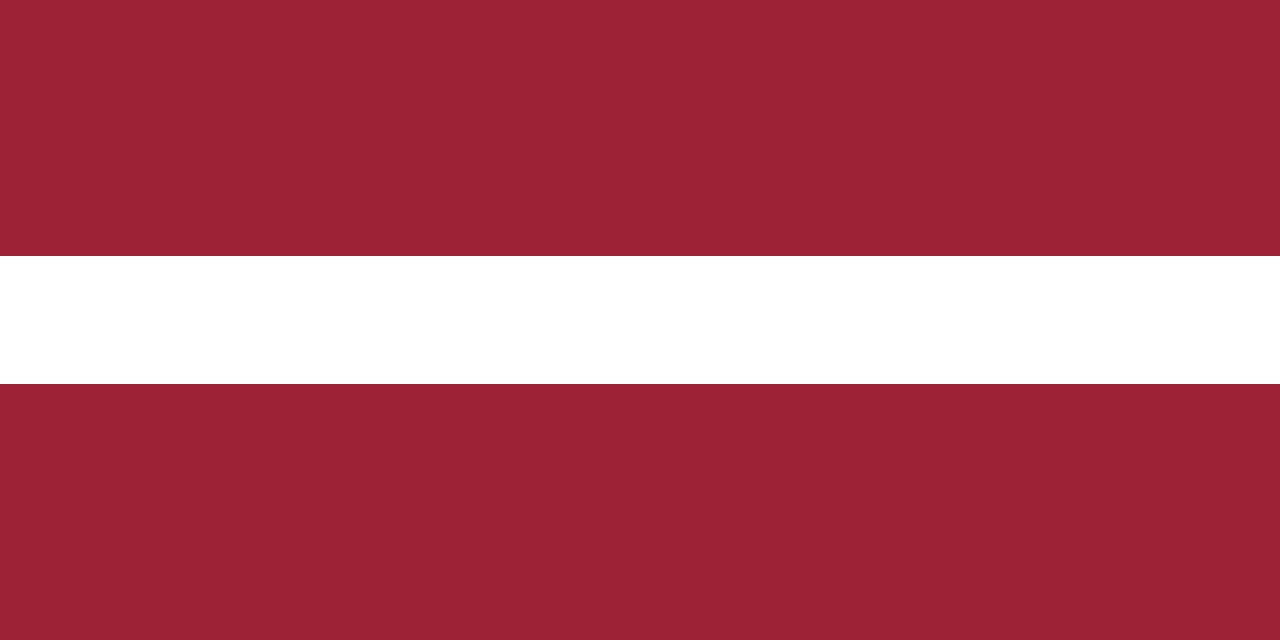
The History of Latvia: From Ancient Times to Today
🌐 Translate:
# The History of Latvia: From Ancient Times to Today
Latvia, a small Baltic nation nestled between the vast expanses of the Baltic Sea and its neighbors Estonia and Lithuania, has a rich and tumultuous history that reflects its geographic and cultural crossroads. From ancient tribes to modern democracy, Latvia's journey is woven with threads of resilience, independence, and a vibrant cultural tapestry. This blog post will take you on a captivating journey through the significant eras of Latvia's past, illuminating its path to becoming the country it is today.
## Ancient and Indigenous History
Long before the arrival of foreign powers, Latvia was home to several indigenous tribes, primarily the Baltic tribes like the Lettigallians, Curonians, Selonians, and Zemgalians. These tribes, with their rich traditions and spiritual beliefs, lived off the land, cultivating crops and gathering from the abundant forests and rivers that sustained them. They built wooden fortresses and engaged in trade with neighboring tribes, laying the foundation for a burgeoning society.
Archaeological findings suggest that human presence in Latvia stretches back over 10,000 years, with the first agricultural settlements emerging around 3000 BCE. The ancient Balts built impressive burial mounds and crafted intricate jewelry, showcasing their advanced craftsmanship and connection to the spiritual world.
As time passed, these tribes began coalescing into larger federations, with trade routes developing along the Daugava River, which served as a vital artery for commerce. The vibrant movement of goods fostered cultural exchanges, shaping a unique Baltic identity that is still evident in Latvian customs and traditions today.
## The Rise of Major Empires and Kingdoms
By the 12th century, the tranquility of Latvia was shattered as the region became the focal point of expansive empires. The arrival of the German crusaders marked a pivotal turning point. In 1201, Bishop Albert of Bremen founded the city of Riga, establishing it as a center for the spread of Christianity and German influence. This marked the beginning of the Livonian Crusade, during which the indigenous tribes resisted the incursions of foreign powers. Yet, the tribes faced significant challenges against the well-organized military forces of the Teutonic Knights.
The struggle between the native tribes and the invaders led to the eventual subjugation of the region, as the Teutonic Order sought to consolidate power over the Baltic. The establishment of the Livonian Confederation in the 13th century marked the height of German influence, yet the struggle for autonomy continued. While the Confederation brought relative stability and trade prosperity, it also sowed the seeds of discontent among the local population, who yearned for self-determination.
As the centuries unfolded, Latvia oscillated between various powers. The Polish-Lithuanian Commonwealth claimed significant territories in the 16th century, followed by the Swedish Empire in the 17th century, which further asserted control over Latvia. Each regime left its mark on Latvian culture, language, and governance, creating a complex tapestry of influences. However, the enduring spirit of the Latvian people remained strong, fostering a sense of national identity that would resurface in later centuries.
## The Colonial Period: Struggles for Identity
The 18th century brought profound change as the Russian Empire expanded its reach into the Baltic region. In 1721, following the Great Northern War, Latvia was annexed by Russia, entering a period of Russian dominance that would last for over two centuries. This era was marked by ambiguous policies towards local culture and language, with attempts to impose Russian identity.
Despite the challenges posed by foreign rule, the 19th century saw a renaissance of Latvian culture and language. Intellectuals and poets, such as the influential folk poet Juris Alunāns, began to revive interest in Latvian folklore and national identity. The Latvian National Awakening, which gained momentum from the 1850s onward, was a cultural and political movement that sought to promote the Latvian language, literature, and national consciousness. This surge of nationalism would prove crucial as the tides of history began to shift.
The late 19th and early 20th centuries saw increased social and political activism, with Latvians advocating for greater autonomy within the Russian Empire. This chapter of Latvian history was marked by the establishment of cultural societies, the publication of newspapers, and the organization of the first Song and Dance Festival in 1873, a celebration of Latvian culture that continues to this day.
## The Fight for Independence
The winds of change crescendoed during World War I when the Russian Empire began to crumble under the weight of conflict and internal strife. In the wake of the 1917 Russian Revolution, Latvia seized the opportunity to pursue independence. On November 18, 1918, Latvia declared its independence, and the Latvian War of Independence ensued as local forces fought against both German and Bolshevik troops.
The war was fraught with challenges, but by 1920, Latvia emerged victorious. The Treaty of Tartu, signed in 1920 with Soviet Russia, recognized Latvia's sovereignty, marking the formal establishment of the Latvian state. This period, often referred to as the "Interwar period," was one of great cultural flourishing. Artists, musicians, and writers contributed to a vibrant national identity, and Latvia embraced its newfound freedoms.
However, the joy of independence was short-lived. The global economic crisis in the 1930s destabilized economies worldwide, and Latvia faced increasing pressure from neighboring powers. Despite efforts to maintain neutrality, the looming specter of World War II would soon shatter the fragile peace.
## The Impacts of World War II and Soviet Occupation
Latvia's strategic position made it a target during World War II. In 1940, the Soviet Union invaded Latvia, enforcing a brutal regime that suppressed dissent and undermined national identity. Following a brief period of Nazi occupation in 1941, Latvia was once again annexed by the Soviet Union in 1944, leading to decades of repression, forced deportations, and cultural assimilation efforts.
The Soviet era was characterized by the imposition of a centralized economy, heavy industrialization, and the Russification of Latvian society. While some progress was made in terms of education and infrastructure, the overarching narrative was one of loss and resentment. Latvian language and culture faced serious threats from state policies, leading to diminished expressions of national identity.
Yet, beneath the surface, the spirit of resistance simmered. The dissident movement began to take shape in the 1970s, with activists advocating for human rights and greater freedoms. The winds of change blew stronger as the Soviet Union began to falter in the 1980s, culminating in the emergence of the ‘Singing Revolution.’ This non-violent movement united Latvians in peaceful demonstrations, singing traditional songs that echoed the longing for freedom.
## The Modern Formation of Latvia
On May 4, 1990, the Supreme Council of Latvia declared the restoration of independence, a momentous occasion that marked the end of over 50 years of Soviet occupation. The path to full sovereignty was challenging, with economic hardships and the need to establish a new political framework. Yet, the spirit of the Latvian people remained resolute, leading to a successful referendum on independence in August 1991.
The 1990s were marked by the struggle to rebuild a nation. Latvia adopted a new constitution, initiated economic reforms, and sought integration into European and international organizations. In 2004, Latvia joined the European Union and NATO, solidifying its position as a sovereign state on the global stage. This turn towards Europe marked a significant shift, as Latvia embraced democratic values and sought to reclaim its cultural heritage.
## Latvia Today: A Nation Reborn
Today, Latvia is a thriving democracy, characterized by its rich history, cultural diversity, and vibrant arts scene. Riga, the capital, is a UNESCO World Heritage site, celebrated for its stunning architecture and vibrant cultural life. Latvia has developed a strong economy, becoming a member of the Eurozone in 2014 and positioning itself as a notable player in the Baltic region.
However, the scars of the past remain a part of Latvia's collective memory. The resilience and determination of the Latvian people are evident in their commitment to preserving their language, culture, and traditions. The annual Song and Dance Festival continues to be a symbol of national pride, uniting generations in celebration of their heritage.
As Latvia navigates the 21st century, the country grapples with contemporary challenges, including demographic shifts and the impact of global events. Yet, the story of Latvia is one of triumph over adversity, a testament to the enduring spirit of a nation that has risen from the ashes of oppression to forge its unique identity.
In conclusion, Latvia's history is a mosaic of struggles and triumphs, marked by the indomitable spirit of its people. From ancient tribes to modern democracy, the journey has been fraught with challenges but illuminated by resilience, creativity, and a deep sense of pride. As Latvia continues to evolve, it stands as a beacon of hope and determination, embodying the strength of a nation that has fought tirelessly for its place in the world.