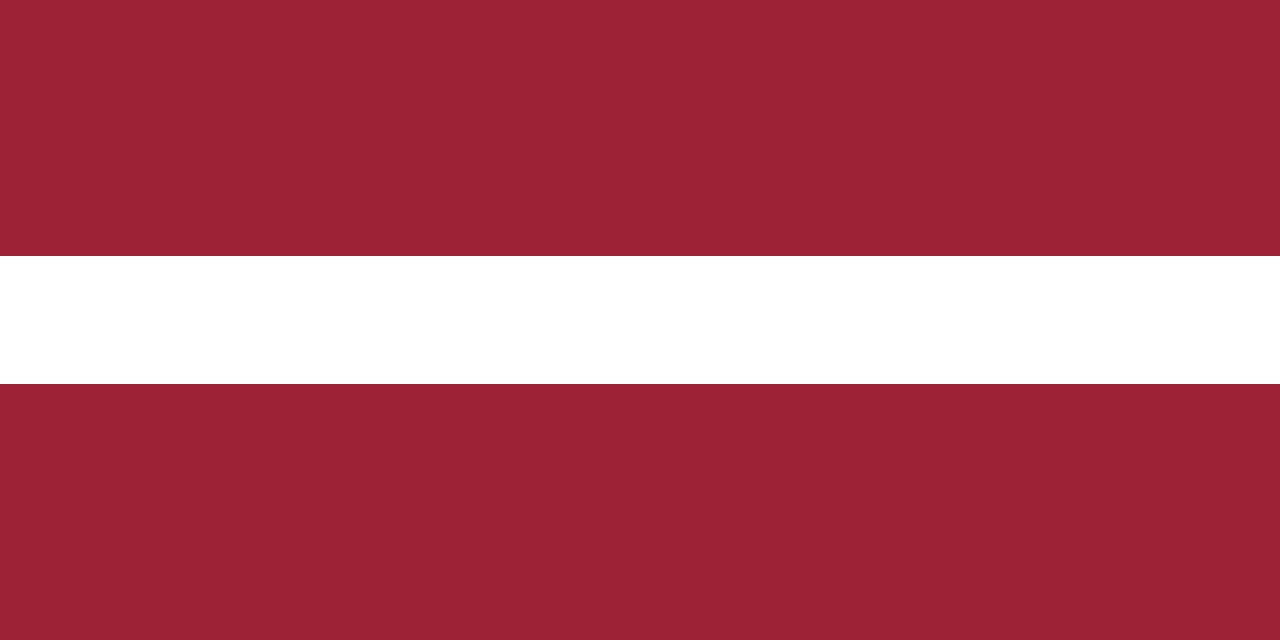
Latvia sits in the heart of the Baltic region, a small northern European nation where medieval Old Towns meet Art Nouveau masterpieces, deep forest stretches to white sand beaches, and a culture shaped by centuries of foreign occupation has emerged fiercely proud of its own identity.
Riga, the capital, is the Baltic's largest city and one of Europe's finest — a UNESCO World Heritage city with the most extensive collection of Art Nouveau architecture anywhere in the world. The Quiet Centre is a streetscape of ornate facades decorated with faces, garlands, and mythological figures. The Old Town, Vecriga, is a medieval labyrinth of cobblestones, guild halls, and the twin towers of St. Peter's and the Dom Cathedral. The Central Market, housed in five former Zeppelin hangars, is the largest in Europe.
The Gauja National Park, an hour east of Riga through birch and pine forest, is Latvia's oldest nature reserve. Medieval castles — Cesis, Sigulda, Turaida — crown the forested hillsides, and in winter the bobsled track at Sigulda is one of the few places where visitors can ride an Olympic-grade luge.
The Latvian coast along the Baltic Sea has a character all its own. Jurmala, a string of wooden villa resorts, stretches 26 kilometers along a pine-fringed beach. Cape Kolka, where the Baltic Sea and the Gulf of Riga meet in a turbulent collision of currents, is where beaches are strewn with amber in autumn storms.
The Song and Dance Festival, held every five years in Riga, is one of Europe's most remarkable cultural events — tens of thousands of singers in national costume filling the open-air arena in a tradition begun in 1873.
Latvian cuisine is rooted in the seasons: smoked fish, rye bread, grey peas with speck, wild mushroom dishes in autumn. Summer is the warmest and most lively season.