Lebanon: Mezze, the Cedar and a Country That Refuses to Disappear
🌐 Translate:
Lebanese mezze is the Mediterranean's greatest contribution to the art of eating together. Hummus, baba ganoush, tabbouleh, fattoush, kibbeh, sfiha, sambousek, labneh — the dishes keep arriving at the table until no more space is possible. No single dish is the point. The accumulation is the point. Eating mezze in Lebanon is a two-hour commitment and a social act that is taken seriously. The quality of a restaurant is judged by the freshness of its hummus and the generosity of its spread.
Beirut has been destroyed and rebuilt so many times that resilience is built into the city's identity. The civil war from 1975 to 1990, the Israeli invasions of 1978 and 1982, the 2006 war, the 2020 port explosion that killed over 200 people and destroyed entire neighbourhoods — and through all of it, Beirut kept existing, kept being itself, kept producing art, music, literature, and an extraordinary nightlife that seemed to assert that life continues regardless of what happens to it.
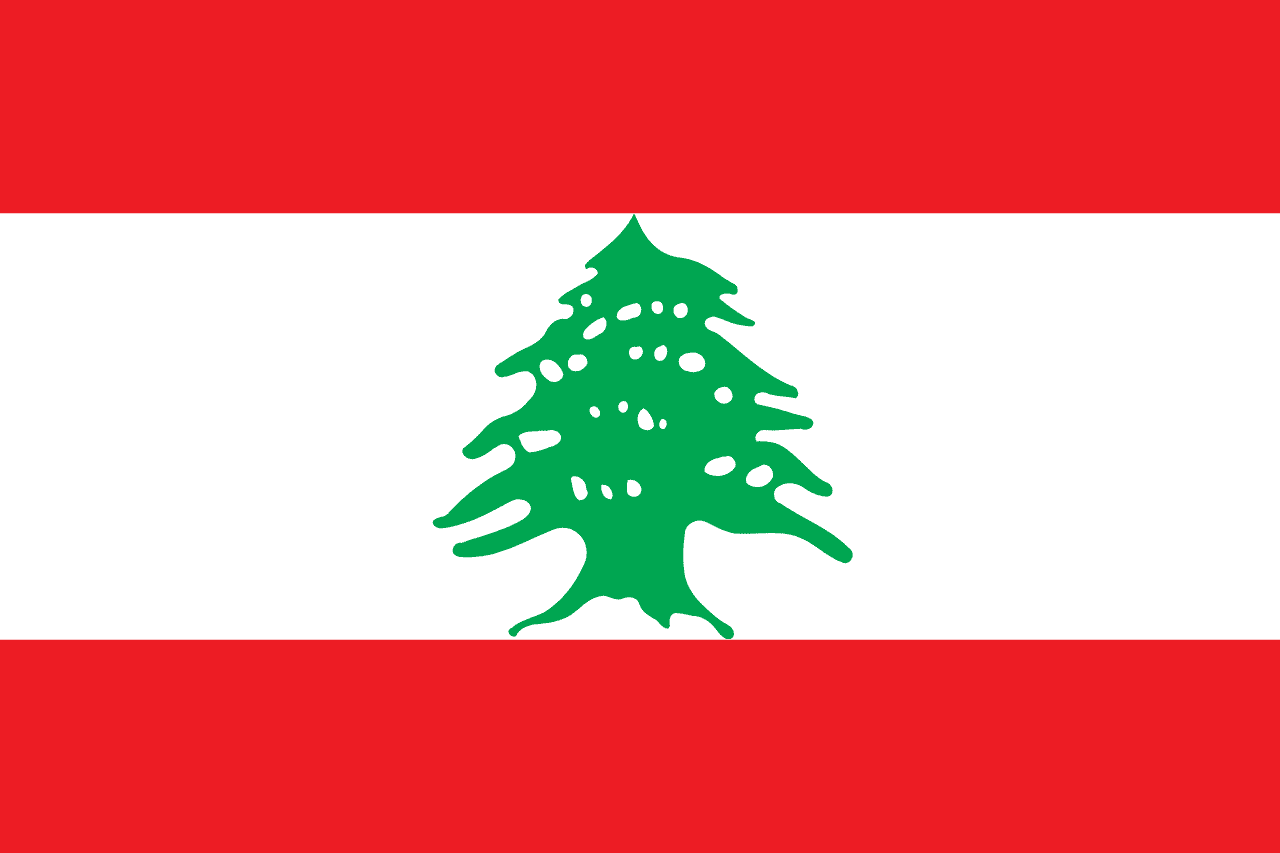
Lebanon's mountains are covered in snow from November to April, its coast is Mediterranean warm from May to October, and the distance between them is sometimes less than an hour. The Cedars of God — a grove of ancient cedar trees in the north, some over a thousand years old — are one of the oldest living things in the Middle East and the symbol on the Lebanese flag. The cedar survived. Lebanon has always survived. The relationship between the two is not accidental.