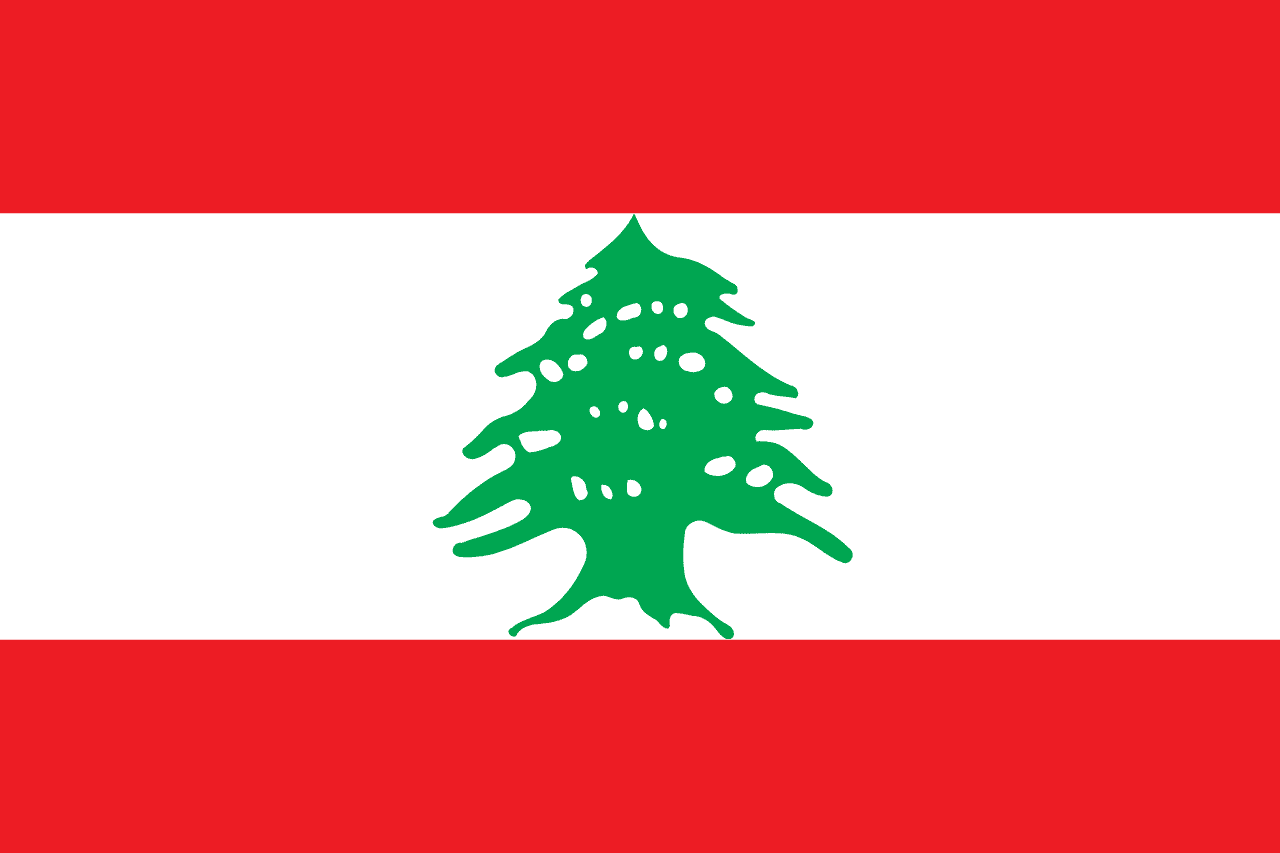
What It's Really Like to Live in Lebanon
Living in Lebanon is like being part of a vibrant tapestry woven from threads of ancient history, mesmerizing landscapes, and a culture so rich it can feel overwhelming at times. As someone who has spent years navigating the complexities of daily life here, I want to share an honest glimpse into what life is truly like in this beautiful, yet challenging country.
Each day begins with the sound of the muezzin’s call to prayer echoing through the streets, a reminder of the deep-rooted religious traditions that shape the lives of many Lebanese people. The mornings are usually warm, with the sun rising over the Mediterranean Sea, casting a golden hue on the bustling streets of Beirut. People are already up and about, taking advantage of the cooler morning air. You’ll find men gathered in cafés sipping their strong Arabic coffee, while women might be seen chatting with neighbors or heading to the local market.
The cost of living in Lebanon can be quite tricky to navigate. While some items may seem affordable, the overall price of living has surged in recent years due to economic instability. A meal at a local restaurant can range from $5 for a simple manakish (a traditional flatbread topped with za'atar or cheese) to $40 for a more upscale dining experience. Grocery shopping at a local market to fill your kitchen can lead to varying expenses; for example, a kilogram of tomatoes might cost you $1, while a kilogram of chicken could be around $7. One of the more surprising aspects of daily life is how people have adapted to the fluctuating currency; bargaining has returned to the streets, reminiscent of a time when haggling was the norm.
Food is undeniably a cornerstone of Lebanese culture. Meals are a communal affair, often enjoyed with family or friends. The Lebanese take great pride in their culinary heritage, which is a reflection of the country’s diverse ethnic and religious backgrounds. You’ll often encounter a mezza spread, a delightful array of small dishes that can include tabbouleh, hummus, baba ghanoush, falafel, and more. Sharing food is more than just a meal; it’s a way to bond and connect. During gatherings, it is common to hear phrases like “sahtein” (meaning “double health”) as a toast before feasting.
Social customs in Lebanon are vibrant and at times complex. The Lebanese are known for their hospitality and warmth. It’s quite normal to be invited to someone’s home for coffee or a meal, regardless of how well you know them. When visiting, it’s customary to bring a small gift, such as pastries or flowers. The warmth doesn’t stop with hospitality; greetings can be exuberant, with hugs and cheek-kissing being the norm, even among acquaintances. However, the country’s rich tapestry of traditions also brings challenges, as various sects and communities occasionally find themselves at odds.
Family life is at the heart of Lebanese culture. Families tend to be tightly knit, often consisting of extended family members living close by or even together in the same household. Sunday lunches are a cherished tradition, and it’s common for families to gather for a long meal filled with laughter and stories. Kid’s activities often revolve around family, whether it’s a day at the beach or a trip to a family-owned vineyard in the Bekaa Valley.
When it comes to work culture, the Lebanese are known for their strong work ethic and entrepreneurial spirit. Many people take pride in their professions, whether they are in the thriving hospitality industry, education, or agriculture. The workday typically begins around 8 am and can stretch late into the evening, especially in urban areas. The concept of “wasta,” or leveraging connections to gain advantages, often plays a significant role in the business realm, which may surprise foreigners accustomed to more formalized processes in other parts of the world.
Lebanon’s weekends are a treasure trove of activities. Friday is often treated like a day of rest, especially for observant Muslims, while Saturday is when the fun truly kicks in. Beaches, mountains, and parks fill up with locals and tourists alike. The coastal city of Jounieh is famous for its nightlife; clubs and bars come alive as the sun sets, with music echoing through the streets. For those who prefer a quieter weekend, a visit to one of the many historic sites, such as the ancient ruins of Baalbek or the scenic town of Byblos, can be both enriching and eye-opening.
The weather in Lebanon is incredibly diverse, influenced by its varied geography. Summers can be scorching, with temperatures often exceeding 30°C (86°F), making trips to the beach necessary for staying cool. The winter months bring snow to the mountains, and skiing has become a popular pastime among locals. The climate not only shapes leisure activities but also influences daily routines; during the hot months, it’s common to see shops open later in the day and stay open late into the night.
Living in Lebanon is not without its challenges. The economic crisis has led to rampant inflation, making it difficult for many to afford basic necessities. Power cuts are frequent, and water shortages can be an issue, so many families invest in generators or water tanks. The political landscape can also feel tumultuous, with demonstrations and strikes occurring sporadically. However, amidst these challenges, there is a resilient spirit present among the Lebanese. People often come together during tough times, showing kindness and solidarity.
Yet, Lebanon is also a land of incredible beauty and opportunity. The warmth of its people, the stunning landscapes — from the green hills of the Chouf mountains to the stunning beaches of Tyre — and the rich cultural heritage make it a unique place to live. Residents often find joy in the little things: a shared laugh with a neighbor, the aroma of freshly baked bread wafting through the air, or the excitement of discovering a new favorite café.
One of the most surprising things for foreigners is how adaptable and resourceful the locals are. You might see someone selling fresh fruits and vegetables from a bicycle, or a group of friends setting up an impromptu picnic on the beach, complete with home-cooked dishes. The Lebanese have an uncanny ability to find joy in the moment, regardless of the circumstances.
In conclusion, living in Lebanon is a journey filled with contrasts, a place where beauty and struggle coexist harmoniously. The rich culture, delicious food, and warm people create an inviting atmosphere, while the challenges of daily life teach resilience and adaptability. It’s a country that will surprise you, challenge you, and ultimately, capture your heart. So, as you embark on your own journey through Lebanon, prepare for a whirlwind of experiences that will stay with you long after you leave.