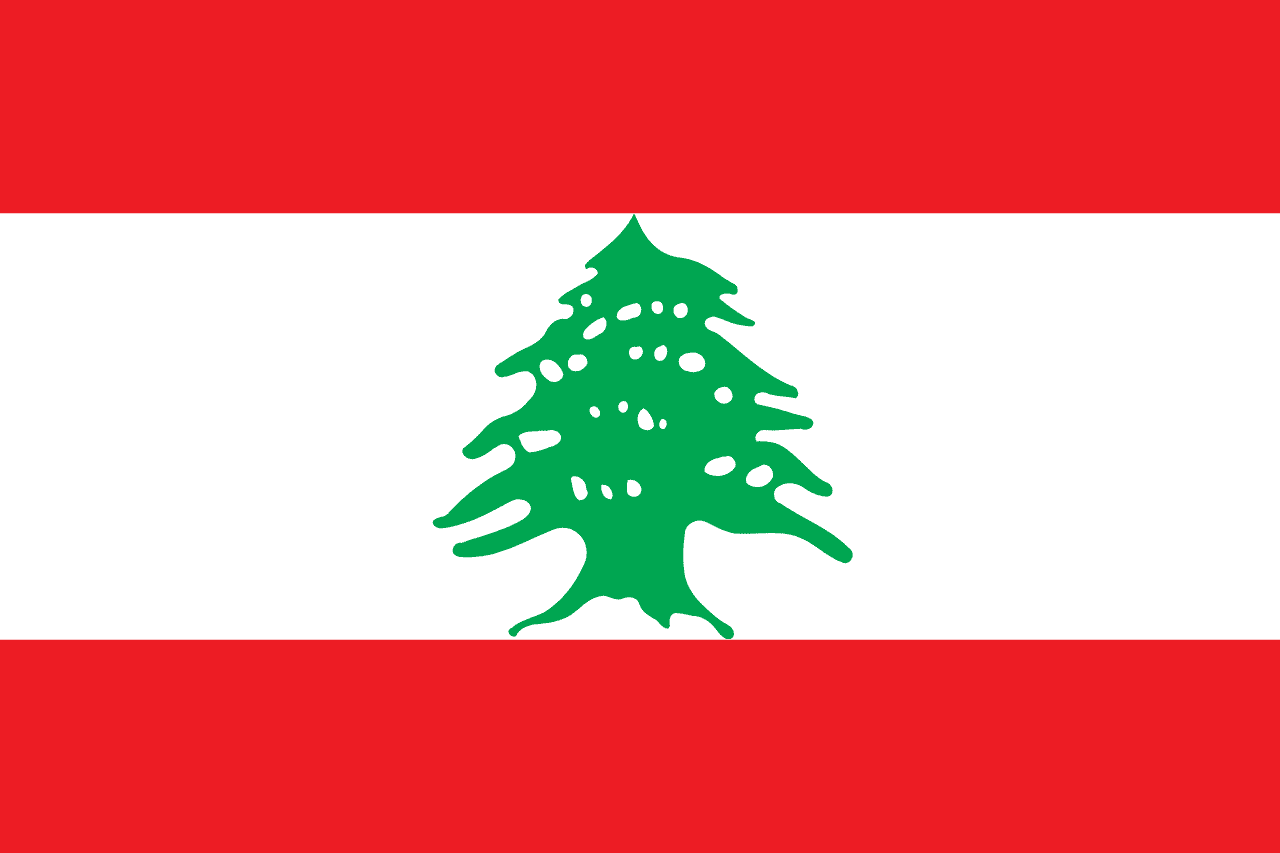
Lebanon is a country of extraordinary beauty, extraordinary food, and extraordinary resilience — a small nation where the mountains meet the sea within thirty kilometers, where Phoenician cities founded three thousand years ago are still inhabited, and where a culture of warmth and creativity has survived through every crisis.
Beirut, the capital, is one of the world's most compelling cities. It layers ancient Roman columns, French Mandate architecture, postwar reconstruction, and vibrant contemporary culture in a way no other city quite manages. The Gemmayzeh and Mar Mikhael neighborhoods are the beating heart of Beirut's famous nightlife. The National Museum holds Phoenician sarcophagi, Bronze Age jewelry, and Byzantine mosaics.
Byblos (Jbeil), an hour north of Beirut, claims to be the oldest continuously inhabited city in the world. Its Crusader castle, Phoenician burial sites, Roman colonnade, and Phoenician alphabet inscription in a single location constitute one of the world's most concentrated encounters with ancient history.
The Bekaa Valley contains the Roman temple complex of Baalbek — the Temple of Jupiter, with its six surviving columns each twenty-two meters tall, and the remarkably intact Temple of Bacchus represent Roman imperial construction at its most ambitious.
The Cedar Forests of the Chouf, the ski slopes of Mzaar-Kfardebian, and the rock formations of Qadisha Valley (UNESCO World Heritage) round out a landscape of alpine beauty.
Lebanese cuisine is the gift Lebanon has given to the world: hummus, kibbeh, tabbouleh, fattoush, grilled meats, kanafeh and baklava. Arak accompanies every meal worth the name. Spring and autumn offer the most pleasant conditions.