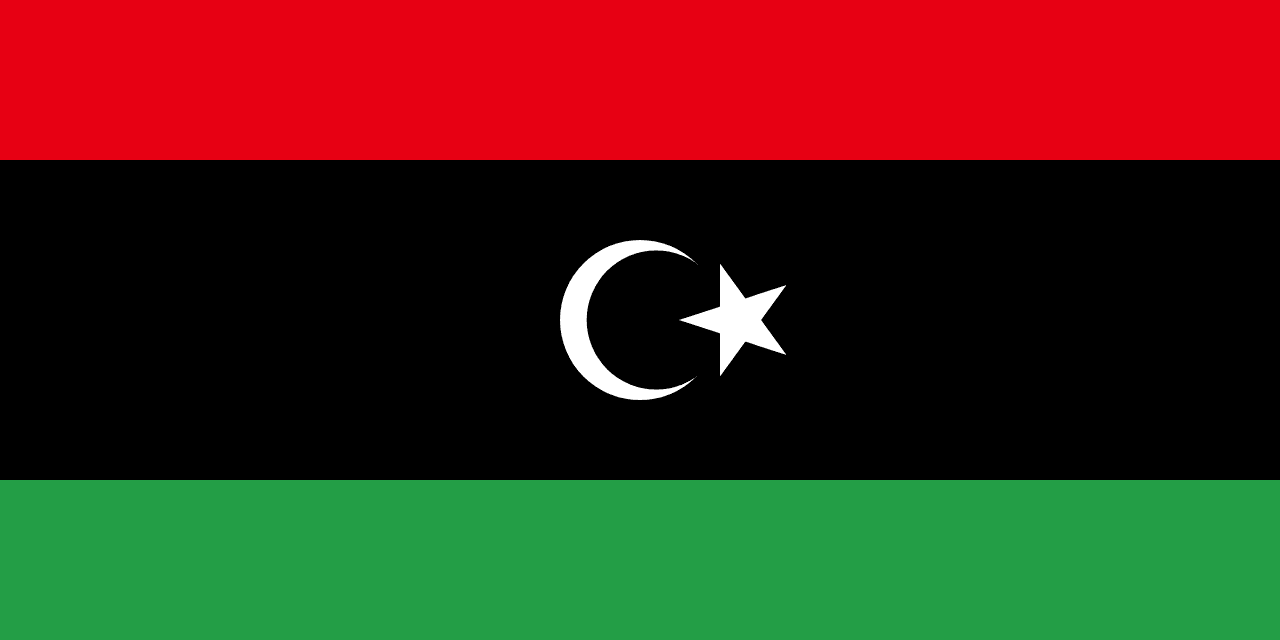
Stepping into Libya is like wandering through a tapestry woven with rich cultural threads, vibrant landscapes, and, of course, a culinary heritage that tantalizes the senses. From the bustling markets of Tripoli, where the air is thick with the aroma of spices, to the tranquil coastal towns where fresh seafood is a way of life, Libyan cuisine is as diverse as its history. The food here is more than just sustenance; it tells stories of the land, the people, and the intricate web of influences that have shaped this North African gem. As I journeyed through Libya, I found myself captivated not just by the beautiful sights, but by the incredible array of dishes that spoke volumes about the nation’s heart and soul. Here are ten traditional Libyan dishes that you absolutely must try.
First on the list is **Couscous**, known locally as "Couscous" as well, but often prepared in ways unique to the region. This beloved dish is made from steamed durum wheat granules and is typically served with a rich stew made of meat, vegetables, and an array of spices. The taste is an exquisite balance of earthy flavors from the spices, combined with the tenderness of the meat—often lamb or chicken. You can find this dish in nearly every home across Libya, particularly during family gatherings and special occasions. I remember sinking my fork into a fluffy mound of couscous, topped with a vibrant, aromatic stew, and feeling the warmth of community around me. It’s not just a meal; it’s an invitation to share stories and laughter.
Next up is **Bazeen**, a dish that holds a special place in Libyan hearts. Made from a simple mixture of barley flour and water, Bazeen is usually served with a flavorful meat or vegetable sauce. The texture is dense and hearty, often resembling a doughy mound that you tear apart with your hands. Eating bazeen is an experience; you mold it into small balls and scoop up the sauce, bringing it to your mouth with a sense of occasion. You’ll find this dish commonly in rural areas and during traditional celebrations, especially in the south. I had the pleasure of enjoying Bazeen at a local family’s home during a wedding feast, where the communal aspect of eating it together created an unforgettable sense of belonging.
Another dish that should not be missed is **Shorba**, a savory soup that is a staple of Libyan cuisine. The base is usually made from wheat or rice and enriched with meat, vegetables, and sometimes chickpeas, resulting in a comforting bowl of goodness. The taste is deep, with layers of flavors that unfold with each spoonful, thanks to the variety of spices used, including cumin and coriander. You can enjoy Shorba in homes, at street stalls, or in restaurants, particularly during the holy month of Ramadan when it is a beloved iftar dish. I had the incredible fortune of tasting a warm bowl of Shorba right after sunset, surrounded by friendly locals who seemed to bond over the shared joy of breaking their fast together.
For seafood lovers, **Maqdis** is a must-try. This dish features fish marinated in spices and lemon, grilled to perfection and usually accompanied by a tangy sauce made from tomatoes and herbs. The combination of the smoky, tender fish with the zesty sauce creates a delightful explosion of flavors in your mouth. Along the Mediterranean coast, especially in cities like Benghazi and Misrata, you’ll find Maqdis proudly served in seaside restaurants where the catch of the day is always fresh. I remember sitting at a beachside café, the salty breeze mingling with the scent of grilled fish, as I savored each bite and watched the sun dip below the horizon.
One cannot talk about Libyan cuisine without mentioning **Harissa**, a fiery chili paste that is as much a condiment as it is a flavor enhancer. Made from ground chili peppers, garlic, and spices, Harissa brings a kick that can elevate any dish. Its bold flavor profile is perfect for those who enjoy a bit of heat. You’ll often find it on the table at every meal, served alongside bread or used to marinate meats. I had a particularly memorable experience when a local chef challenged me to try Harissa with my breakfast bread, and the subsequent burst of heat had me reaching for water and laughing at my own spice tolerance.
Continuing our culinary journey, we arrive at **Burgul**, a dish that showcases the versatility of bulgur wheat. It’s often cooked with a mix of vegetables, spices, and sometimes, ground meat, offering a hearty and filling meal. The taste is wholesome, with a nutty quality from the bulgur that pairs wonderfully with the spices. Burgul is often found in rural and urban settings alike, and it’s common to see it served alongside grilled meats during festive occasions. I had the pleasure of trying Burgul at a traditional restaurant in Tripoli, where the comforting flavors reminded me of home-cooked meals.
**Fried Liver**, or “Kebda,” is a dish that may raise eyebrows for some but is a favorite among the locals. Prepared by frying slices of liver with spices and sometimes topped with sautéed onions or spicy peppers, Kebda is rich and bold. The taste is intense, a true testament to the flavors of the region. You can find this dish at street food stalls, particularly during late-night outings, where it’s often enjoyed with fresh bread. I remember biting into a warm, liver-stuffed sandwich, feeling the bustling energy of the streets around me, and realizing that food truly is a window into a culture.
For those with a sweet tooth, **Baklava** is the quintessential Libyan dessert that cannot be overlooked. Layers of flaky pastry are filled with a mixture of ground nuts and sweetened with honey or syrup, creating a delightful treat that is both rich and satisfying. The taste is a perfect blend of sweetness and nuttiness, with a delightful crunch. You will find Baklava in bakeries and restaurants, often served with mint tea. I was fortunate enough to be invited to a local bakery where I watched as the bakers skillfully layered the pastry, and later, I enjoyed a piece while chatting with the friendly shop owner about the traditions surrounding this beloved dessert.
Another legendary dish is **Ruz bil Dajaj**, essentially rice with chicken. This dish is comforting and hearty, with spices that transform simple ingredients into a mouthwatering meal. The chicken is usually braised until tender and served on a bed of fragrant rice, often garnished with raisins and almonds. It’s a popular family dish, often prepared for gatherings and special occasions. I had the pleasure of sharing this dish with a Libyan family, and the warmth of their hospitality, combined with the aromatic flavors of the Ruz bil Dajaj, left a lasting impression on my heart.
Last but certainly not least is **Zalabia**, a sweet treat that resembles doughnuts and is often enjoyed during Ramadan. Made from a batter that is deep-fried and soaked in syrup, Zalabia is a sugary delight that is crispy on the outside and soft on the inside. It’s the perfect indulgence after a long day of fasting, and the joy of sharing this sweet dish with friends and family is palpable. I remember indulging in Zalabia at a bustling market stall, the sweet syrup dripping down my fingers as laughter and conversation filled the air around me.
As I reflect on my culinary adventures through Libya, it becomes clear that the best way to enjoy the food culture is to explore local markets, street stalls, and family-run restaurants. The vibrant bazaars of Tripoli and Benghazi are treasure troves of fresh produce, spices, and artisanal foods. On any given day, you can wander through stalls filled with colorful spices, and dried fruits, and hear the enticing sizzle of street food being prepared. Engaging with the locals, sharing a meal, and hearing their stories adds depth to the experience, making every bite more meaningful.
Libya's culinary landscape is not just a collection of dishes; it is a celebration of tradition, community, and the shared love of food. Each dish carries its own story, inviting you to savor the flavors and immerse yourself in the rich tapestry of Libyan culture. So whether you're planning a visit or simply exploring from afar, let the food of Libya be your guide to understanding the heart and soul of this remarkable country.