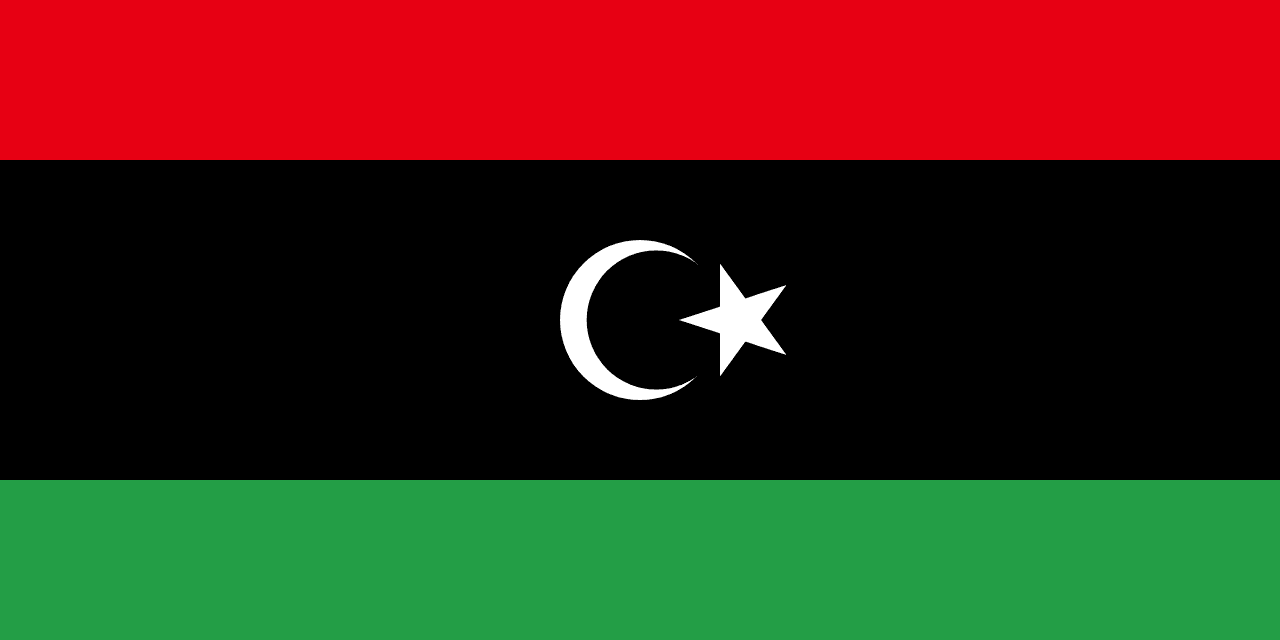
What It's Really Like to Live in Libya
As I sit down to write about my life in Libya, I’m reminded of the vivid colors, the lively markets, and the warm hospitality that envelops me daily. Having spent several years in this North African country, I have come to appreciate its unique blend of culture, history, and resilience. Libya is a land of contrasts, where ancient traditions coexist with modern aspirations, and every day unfolds like a vibrant tapestry. So, what is everyday life truly like in Libya? Let me take you on a journey through my experiences.
Daily life here begins with the sun rising over the Mediterranean, casting a golden hue on the coastal cities like Tripoli and Benghazi. Mornings are generally warm, but there’s a refreshing breeze that sweeps in from the sea. The streets come to life with vendors setting up their stalls, selling fresh produce, spices, and local delicacies. The sound of haggling fills the air, as neighbors greet one another with a friendly “Salam Alaikum” (peace be upon you).
Cost of living in Libya can be quite affordable, especially when compared to many Western countries. A loaf of bread costs around 1 Libyan dinar (LYD), which is approximately 0.22 USD, while a liter of milk hovers around 2 LYD (about 0.45 USD). Fresh fruits and vegetables are plentiful, particularly in the summer months when local farmers bring their harvest to the markets. It’s not uncommon to find yourself spending less than 50 LYD (11 USD) for a week’s worth of groceries if you stick to local produce.
Food is at the heart of Libyan culture. Traditional dishes like couscous, bazin (a type of dough), and hearty stews made with lamb or chicken are staples in many households. On Fridays, families gather for a special meal often centered around “couscous bel lahma,” a delicious, aromatic dish cooked with spices that fill the home with mouth-watering scents. Street food is also a significant part of the culinary landscape. You’ll find “bakeela,” a savory pastry filled with meat or vegetables, sold at various stalls. A quick snack can cost you as little as 5 LYD (1.10 USD).
Social customs in Libya are deeply rooted in hospitality. It’s customary for guests to be offered tea or coffee, often accompanied by dates or sweets, regardless of the time of day. When visiting a Libyan home, expect a warm welcome, and don’t be surprised if you’re invited to share a meal. The phrase “Ahlan wa sahlan” (welcome) is not just a greeting; it embodies the generous spirit of the people.
Family life in Libya is incredibly important, and the family structure is typically close-knit. Most Libyans live with extended family, and gatherings are frequent. It’s common to see three generations under one roof, sharing their lives and supporting one another. Children are cherished, and their education is a priority. You’ll often hear parents encouraging their kids to excel in school, with the saying “Ilmad, wa inni jibetak” (Learn, and I will support you). Family celebrations, such as weddings or religious holidays like Eid, are grand affairs filled with laughter, music, and feasting.
Work culture in Libya can be a mixed bag. The official workweek runs from Sunday to Thursday, with Friday and Saturday as the weekend. Government jobs are highly sought after, often providing better job security and benefits. However, the economic landscape has its challenges. Many businesses operate under the shadow of instability, and job opportunities can be limited. It’s not uncommon for people to have multiple income sources. Freelancing or running small family businesses is a way many locals navigate the financial landscape. For example, I know a talented artist who sells her work at the Souq al-Jumah market while also teaching art classes.
Weekends in Libya are a time for relaxation and family bonding. Fridays are sacred for Muslims, and many people attend prayers at local mosques. Afterward, families often enjoy leisurely meals together or take day trips to the beach. The Mediterranean coastline is stunning, and in the summer, you’ll find families picnicking on the shore, children playing in the water, and vendors selling fresh seafood. A plate of grilled fish might cost around 30 LYD (6.70 USD), making it an affordable treat.
The weather in Libya shapes much of daily life. Summers can be sweltering, with temperatures soaring above 40°C (104°F). During these months, you’ll find that most activities shift indoors during the hottest parts of the day. Homes are often equipped with air conditioning, and many businesses adjust their hours to accommodate the heat. In contrast, winters are mild, particularly in coastal areas, making it a pleasant time for outdoor activities. The desert regions, however, can experience extreme temperature fluctuations, with scorching days and chilly nights.
Living in Libya comes with its challenges, particularly due to the political and security situation. While the country has made significant strides towards stability, it’s essential to remain aware of your surroundings. Foreigners may often be advised to stay within certain areas, limiting travel options. However, despite these challenges, the resilience of the Libyan people shines through. Their determination to rebuild and create a future for themselves is inspiring.
One of the positives of living in Libya is the sense of community. Neighbors often look out for one another, and it’s common to see people helping each other, whether it’s lending a hand with groceries or offering support during challenging times. The spirit of camaraderie is palpable in daily interactions, making it easier to connect and build relationships.
Foreigners living in Libya are often surprised by the warmth and friendliness of the locals. While the media may portray a narrative of conflict and unrest, the reality on the ground is that many Libyans are eager to share their culture, stories, and laughter. Another common surprise is the rich history and archaeological sites scattered throughout the country. From the ancient ruins of Sabratha to the stunning rock carvings in the Sahara, Libya boasts a wealth of history that often goes unnoticed.
Language can also be a barrier, but many Libyans are keen to practice their English with foreigners. Simple phrases in Arabic, like “Shukran” (thank you) or “Ma’ salama” (goodbye), can go a long way in fostering goodwill. Locals appreciate when foreigners make an effort to engage with their language and culture.
In conclusion, everyday life in Libya is a tapestry woven from resilience, culture, and community. While challenges exist, the warmth of the people, the richness of the food, and the deep-seated traditions provide a unique experience that leaves a lasting impression. Libya is a place where history and modernity intersect, where the sun rises over ancient ruins, and where every day offers the chance to connect, learn, and grow. For anyone considering a journey to this beautiful country, be prepared to embrace its complexities and revel in its warmth.