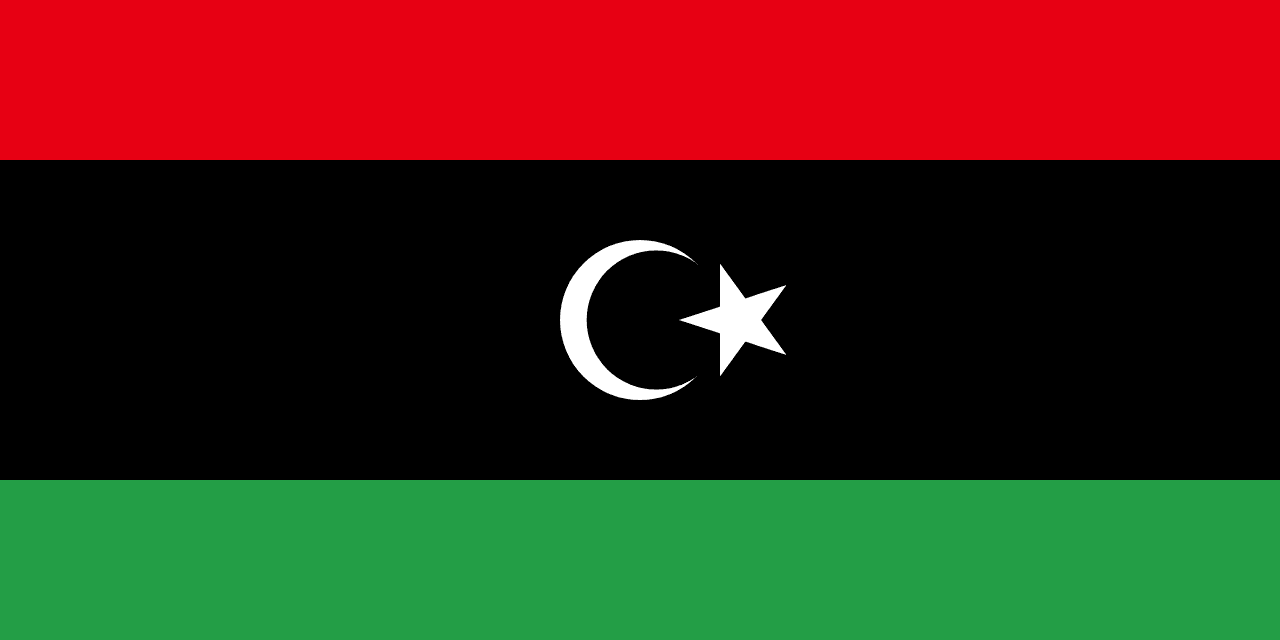
Libya occupies a vast stretch of North Africa, with the Mediterranean Sea forming its northern boundary and the Sahara Desert consuming roughly 90 percent of its land. It is a country of extraordinary contrasts — ancient Roman cities rising from coastal plains, endless sand seas rolling toward the horizon, and oasis towns that have sustained life for thousands of years.
The ancient ruins at Leptis Magna are among the most spectacular in the entire Mediterranean world. Founded by the Phoenicians and expanded into a major city under the Roman emperor Septimius Severus, who was born there, Leptis Magna features monumental arches, a colonnaded forum, baths, and a harbor that once handled trade from across the empire. The site is remarkably well preserved, and on a quiet day you can wander its marble streets almost entirely alone.
Cyrene, in the eastern Green Mountains, was a Greek colonial city of great philosophical importance — it was the birthplace of Aristippus and Eratosthenes. Its ruins include a remarkable temple to Apollo and a vast necropolis carved into the rock escarpment. The surrounding Jebel Akhdar region is Libya's most fertile area, covered in juniper forests and terraced farms producing olives, almonds, and figs.
The Saharan interior offers landscapes of breathtaking scale. The Fezzan region in the southwest contains the Ubari Sand Sea, a surreal landscape of towering dunes encircling a chain of emerald and turquoise crater lakes. The Akakus Mountains, a UNESCO World Heritage site, shelter thousands of prehistoric rock paintings depicting elephants, giraffes, and human figures from a time when the Sahara was green.
Libyan cuisine reflects its Mediterranean and Saharan influences. Bazeen, a dense barley paste served with lamb and tomato sauce, is the national dish. Shakshuka, harissa-spiced grilled meats, and date-stuffed pastries fill tables during family gatherings.
Tripoli's Old City, the medina, contains labyrinthine streets lined with Ottoman-era mosques, colorful souks, and crumbling mansions with interior courtyards still lush with jasmine and citrus trees.
Travel to Libya requires careful planning and awareness of the current political landscape, but for those able to visit, the rewards are immense. The best time to go is October through April, when temperatures are comfortable across both the coast and the desert interior.